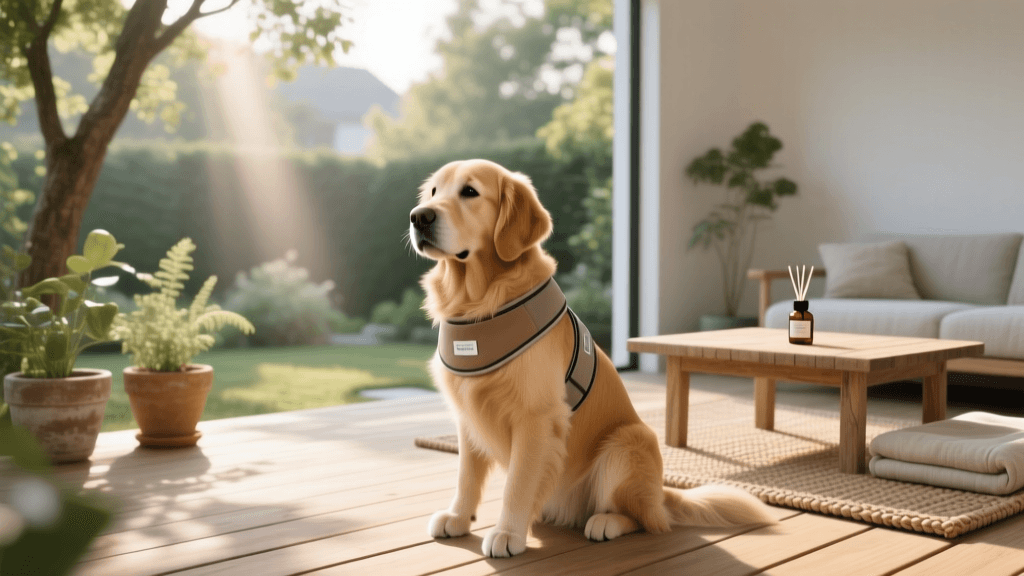
Decoding Puppy Body Language: A First-Time Owner Guide
Learn to decode puppy body language with our first-time owner guide. Understand canine calming signals, tail wags, and ear positions to build trust.

Introduction: Speaking Your Puppy's Language
Bringing a new puppy home is one of life’s greatest joys, but it can quickly become overwhelming when you realize you are living with a creature that speaks an entirely different language. For first-time dog owners, misinterpreting canine body language is the most common hurdle to building a strong, trusting bond. While humans rely heavily on vocal communication, dogs use a complex symphony of spatial pressure, facial expressions, ear positions, and tail movements to convey their emotional state.
Understanding these signals is not just about preventing behavioral issues; it is about ensuring your puppy feels safe, understood, and supported in their new environment. In this comprehensive guide, we will decode the most critical puppy body language signals, provide actionable advice, and recommend specific tools to help you navigate your dog's first year with confidence.
The Myth of the Happy Tail Wag
The most pervasive myth among first-time owners is that a wagging tail always equals a happy dog. In reality, a wagging tail simply indicates arousal or emotional stimulation, which can range from joy to severe anxiety or impending aggression. According to the American Kennel Club (AKC), the height, speed, and direction of the wag provide the true context.
- Relaxed, sweeping wag at mid-height: Usually indicates a content, friendly, and approachable puppy.
- High, stiff, rapid vibrating wag: A clear sign of high arousal, potential reactivity, or a warning to back off.
- Tail tucked tightly between the legs: Signals deep fear, anxiety, or submission.
- Directional bias: Research suggests that a wag biased to the right side of the dog's body indicates positive emotions, while a left-sided bias indicates anxiety or negative stimuli.
As a first-time owner, always look at the whole dog, not just the tail, before reaching out to pet them or allow strangers to approach.
Facial Expressions and Calming Signals
Dogs possess a remarkable array of facial muscles designed to communicate with both humans and other dogs. The ASPCA highlights several key facial indicators that new owners must learn to recognize. 'Whale eye,' where the whites of the eyes (sclera) are prominently visible in a half-moon shape, is a critical warning sign of stress or fear. Pinned-back ears can indicate fear or appeasement, while ears pricked sharply forward denote intense focus or alertness.
Beyond these obvious signs, dogs use 'calming signals' to defuse tension. If your puppy suddenly yawns when not tired, licks their lips repeatedly without food present, or deliberately turns their head away from you during a training session, they are not being stubborn. They are politely telling you they are overwhelmed and need a break. The Association of Professional Dog Trainers (APDT) emphasizes that context and environment dictate the meaning of these signals. For instance, a play bow (front elbows down, rear end in the air) is a universal invitation to play, but if accompanied by stiff, jerky movements, it can be an attempt to diffuse a tense situation with another dog.
Navigating Puppy Fear Periods
Understanding body language is especially crucial during developmental fear periods. Puppies typically experience two primary fear windows: the first between 8 to 11 weeks of age, and the second between 6 to 14 months. During these windows, a previously confident puppy may suddenly exhibit extreme body language responses—cowering, freezing, or attempting to flee from everyday objects like trash cans, hats, or loud noises.
If you notice your puppy freezing with a tense body and dilated pupils during a walk, do not force them to approach the scary object. Instead, use a cheerful voice, create distance, and reward them for disengaging. Pushing a puppy past their threshold during a fear period can create lifelong phobias.
First-Time Owner Toolkit: Products, Costs, and Timing
To help your puppy decompress and process their environment, incorporate these specific tools and routines into your daily schedule:
- Adaptil Junior Calming Diffuser (Cost: $25-$30): This plug-in diffuser releases synthetic dog-appeasing pheromones that mimic those produced by a nursing mother dog. Plug it into the room where your puppy sleeps 24 hours before bringing them home to create an immediate baseline of calm. Each refill lasts 30 days.
- Biothane Long-Line Leash (15 to 30 feet, Cost: $25-$40): Ditch the standard 6-foot leash for decompression walks. A long-line allows your puppy to engage in natural sniffing behaviors, which lowers their heart rate and reduces cortisol levels. Allow 15 to 20 minutes of uninterrupted 'sniffari' time daily in a quiet area.
- Snuffle Mat for Mental Enrichment (Cost: $15-$25): Instead of feeding your puppy from a bowl, hide their kibble in a fabric snuffle mat. This engages their olfactory senses, naturally tiring them out and reducing hyperactive, mouthy behaviors in the evening.
- Kong Classic (Red or Pink, Cost: $12-$15): Stuff this durable rubber toy with puppy-safe peanut butter and plain yogurt, then freeze it for 2 hours. Licking is a self-soothing behavior for dogs; providing a frozen Kong during crate training or when guests arrive helps them self-regulate their arousal levels.
Puppy Body Language Quick Reference Chart
| Body Part | Signal | Meaning | Owner Action |
|---|---|---|---|
| Tail | High, stiff, rapid wag | Arousal, potential reactivity | Give space, do not force interaction |
| Eyes | Whale eye (showing whites) | Stress, fear, discomfort | Remove puppy from the stressor immediately |
| Mouth | Repeated lip licking | Calming signal, anxiety | Shorten the training session, offer a break |
| Ears | Pinned flat back | Fear, appeasement | Speak softly, avoid direct eye contact |
| Posture | Play bow | Invitation to play, diffusing tension | Engage in gentle play or redirect to a toy |
| Posture | Freezing / rigid body | High stress, fear period trigger | Increase distance from trigger, toss treats away |
Conclusion
Learning to read your puppy is an ongoing journey that requires patience, observation, and empathy. By tuning into their subtle cues, respecting their boundaries, and utilizing the right decompression tools, you lay the foundation for a deeply connected, well-adjusted adult dog. Remember, every time you correctly interpret and respond to your puppy's body language, you are telling them that they are safe, heard, and understood in their new forever home.
marcus-aldridge
All our authors care for dogs every day — read more of their work on the authors page.