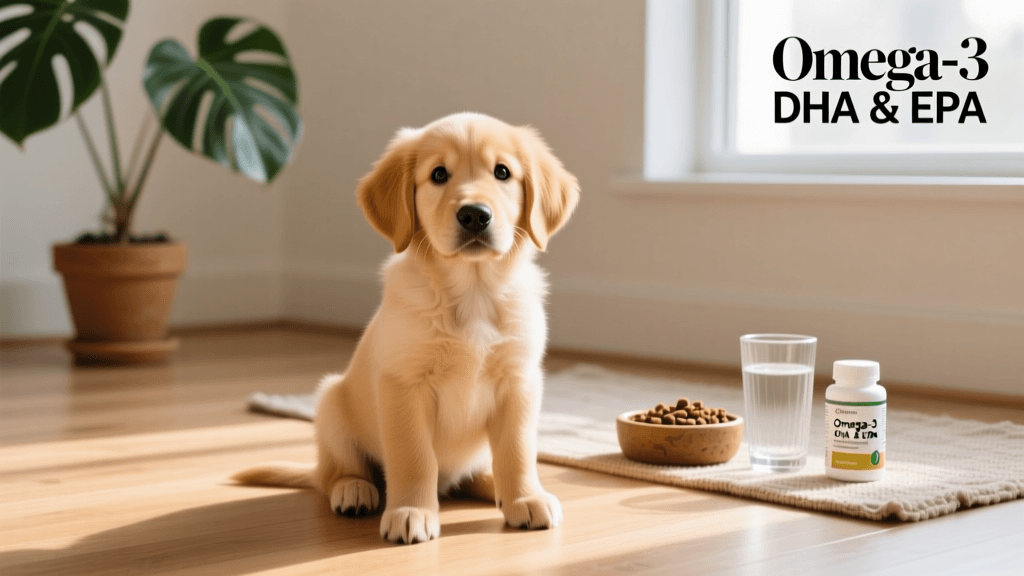
Best Omega-3 Puppy Supplements 2026: DHA & EPA Brain Guide
Discover how Omega-3 DHA and EPA boost your puppy's brain and joint health in 2026. Learn exact dosing, top supplement picks, and safe feeding tips.
The Critical Role of Omega-3 in Puppy Development
The first twelve months of a dog's life are marked by explosive physical and cognitive growth. As pet parents navigate the evolving landscape of canine nutrition in 2026, one nutrient consistently stands out for its profound impact on early development: Omega-3 fatty acids. Specifically, the long-chain Omega-3s known as DHA (docosahexaenoic acid) and EPA (eicosapentaenoic acid) are foundational for a puppy's neurological development, visual acuity, and joint health.
While many premium puppy kibbles are now fortified with baseline levels of Omega-3s, veterinary nutritionists increasingly recommend targeted supplementation to ensure optimal cognitive outcomes. According to the ASPCA's dog nutrition guidelines, essential fatty acids are crucial for maintaining healthy cell membranes and supporting the rapid brain growth that occurs before a puppy reaches six months of age. Without adequate DHA, puppies may experience delayed learning curves and suboptimal retinal development.
DHA vs. EPA: What Your Puppy Actually Needs
Understanding the distinction between DHA and EPA is vital when selecting a supplement for your growing dog.
DHA (Docosahexaenoic Acid)
DHA is the primary structural component of the brain and retina. During the first few months of life, a puppy's brain mass increases exponentially. DHA facilitates the formation of neural pathways, directly influencing trainability, memory retention, and problem-solving skills. Puppies deficient in DHA often struggle with basic obedience and socialization milestones.
EPA (Eicosapentaenoic Acid)
While DHA builds the brain, EPA manages inflammation. For large and giant breed puppies (such as Great Danes, Golden Retrievers, and German Shepherds), rapid skeletal growth can put immense stress on developing joints. EPA helps modulate the inflammatory response in joint cartilage, laying the groundwork for long-term orthopedic health and potentially delaying the onset of osteoarthritis later in life.
Best Sources of Omega-3 for Puppies in 2026
The supplement market has evolved significantly, offering cleaner, more sustainable, and highly bioavailable sources of Omega-3s. Here are the primary options available this year:
- Wild-Caught Fish Oil (Triglyceride Form): Derived from anchovies, sardines, and mackerel, this remains the gold standard for bioavailability. The triglyceride form ensures maximum absorption in the puppy's digestive tract.
- Algae-Based DHA: A massive trend in 2026, algae oil is where fish get their Omega-3s in the first place. It is highly sustainable, free from heavy metal bioaccumulation risks, and naturally rich in DHA, making it an excellent choice for puppies with sensitive stomachs or fish allergies.
- Krill Oil: Contains the antioxidant astaxanthin and phospholipids for easy absorption, but generally offers lower overall concentrations of DHA and EPA compared to concentrated fish oils.
2026 Puppy Omega-3 Dosing Chart
Dosing Omega-3s is not a one-size-fits-all scenario. The required amount depends heavily on your puppy's current weight and their specific developmental needs. The following chart outlines the recommended daily combined EPA and DHA intake for growing puppies based on current veterinary consensus.
| Puppy Weight (lbs) | Puppy Weight (kg) | Target EPA+DHA (mg/day) | Primary Focus |
|---|---|---|---|
| 5 - 10 | 2.2 - 4.5 | 150 - 250 mg | Brain & Retina |
| 11 - 25 | 5.0 - 11.3 | 300 - 500 mg | Brain & Joint Support |
| 26 - 50 | 11.8 - 22.6 | 600 - 900 mg | Joint Inflammation & Cognition |
| 51 - 75 | 23.1 - 34.0 | 1000 - 1400 mg | Large Breed Joint Protection |
| 76+ | 34.5+ | 1500 - 2000 mg | Giant Breed Skeletal Support |
Note: Always consult your veterinarian before starting a new supplement, especially if your puppy is already consuming a prescription growth diet.
Top Rated Puppy Omega-3 Supplements for 2026
Based on purity testing, bioavailability, and ease of administration, these are the top-tier Omega-3 supplements for puppies this year.
1. Nordic Naturals Omega-3 Pet (Liquid)
Nordic Naturals continues to dominate the veterinary recommendation space in 2026. Their pet-specific liquid oil is derived from wild anchovies and sardines, processed in a nitrogen-free environment to prevent oxidation. It comes with a precise pump, allowing you to easily measure the exact milligram dose required by the chart above. Pricing averages around $24.99 for a 16oz bottle, lasting most small-to-medium puppies through their critical first six months.
2. Grizzly Salmon Plus Wild Fish Oil
A blend of wild Alaskan salmon, pollock, and krill, this formula provides a robust profile of both DHA and EPA, alongside naturally occurring astaxanthin. The salmon flavor is highly palatable, making it a breeze to mix into dry kibble or raw diets. It is particularly favored by owners of large breed puppies due to its high EPA concentration for joint support.
3. Zesty Paws Omega-3 Algae Bites
For puppies with marine protein sensitivities, Zesty Paws has refined their algae-based soft chews for 2026. Sourced directly from marine microalgae, these bites deliver a potent dose of DHA without the fishy aftertaste or the risk of ocean-borne contaminants. They are an excellent, mess-free alternative to liquid pumps.
How to Safely Introduce Omega-3 to Your Puppy's Diet
Introducing any new fat source into a puppy's diet must be done gradually to avoid gastrointestinal upset. Puppies have delicate digestive tracts, and a sudden influx of oil can lead to loose stools or diarrhea.
- Start at 25% Dose: For the first three days, administer only a quarter of the recommended daily dose.
- Monitor Stool Quality: If your puppy's stool remains firm, increase to 50% of the dose for the next three days.
- Reach Full Dose: Gradually step up to the full target dose over a 10 to 14-day period.
- Refrigerate Liquid Oils: Once opened, liquid fish or algae oils must be kept in the refrigerator to prevent rancidity. Oxidized oil loses its efficacy and can cause cellular damage.
Potential Risks and Overdosing Symptoms
While Omega-3s are incredibly beneficial, more is not always better. The Tufts Clinical Nutrition Service frequently warns against the 'megadosing' of supplements, which can lead to adverse health effects. Over-supplementation of fish oil can deplete the body of Vitamin E, a crucial antioxidant. Furthermore, excessively high doses of EPA can alter blood clotting mechanisms, posing a risk if your puppy requires surgery or suffers a traumatic injury.
Signs of Omega-3 overdosing or intolerance include:
- Chronic diarrhea or oily, foul-smelling stools
- Lethargy or unexpected weight gain (due to high caloric density of oils)
- Increased bleeding from minor scratches
- A persistently 'fishy' odor to the breath or skin
To ensure you are providing a balanced nutritional profile, always review your puppy's total daily caloric and fat intake with a board-certified veterinary nutritionist, adhering to the AAHA Nutrition and Weight Management Guidelines.
Frequently Asked Questions
Can I give my puppy human-grade fish oil capsules?
While the Omega-3s in human supplements are chemically identical, human capsules are often dosed far too high for a small puppy, and the gelatin casing can pose a choking hazard. Additionally, some human fish oils contain added flavorings (like lemon or orange) or xylitol, which is highly toxic to dogs. Always use a pet-specific formulation.
When should I start giving my puppy Omega-3s?
If your puppy is nursing, they are receiving DHA through their mother's milk, provided she is on a well-balanced diet. Once weaned (around 6 to 8 weeks), you can begin introducing a puppy-specific Omega-3 supplement to support the next critical phase of brain and joint development.
Does my premium puppy kibble already have enough Omega-3?
Many high-end commercial puppy diets include fish meal or flaxseed. However, flaxseed provides ALA (alpha-linolenic acid), which dogs are incredibly inefficient at converting into usable DHA and EPA. Furthermore, the extrusion process used to make kibble can degrade sensitive fatty acids. Supplementing with a fresh, liquid triglyceride oil ensures your puppy receives active, bioavailable DHA and EPA.
jonas-cole
All our authors care for dogs every day — read more of their work on the authors page.