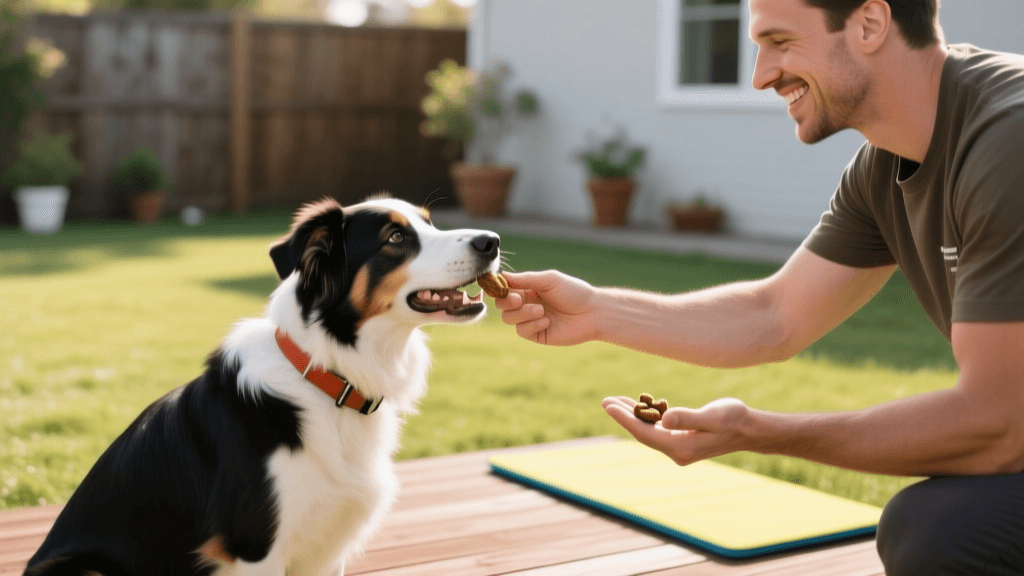
The Ultimate Puppy Daily Schedule for Training and Wellness
Discover the ultimate daily schedule for puppies. Learn how to balance potty training, socialization, and wellness routines for a healthy, obedient dog.

Why a Structured Routine is Crucial for Puppy Wellness
Bringing a new puppy into your home is an exhilarating experience, but it can quickly become overwhelming without a structured plan. Many new dog owners view training and wellness as two separate entities: training is about obedience, while wellness is about physical health. However, in the realm of canine behavioral conditioning, these two concepts are deeply intertwined. A well-crafted daily schedule does more than just teach your puppy where to go to the bathroom; it establishes a foundation of emotional regulation, cognitive development, and physical well-being.
Dogs are inherently den animals that thrive on predictability. When a puppy knows what to expect and when to expect it, their baseline cortisol (stress) levels decrease significantly. This reduction in anxiety creates an optimal neurological state for learning. According to behavioral experts, puppies that are placed on a consistent daily routine exhibit fewer stress-related behaviors, such as excessive crying, destructive chewing, and hyperactivity. By integrating training exercises directly into your puppy's wellness and care schedule, you maximize their cognitive retention while safeguarding their mental health.
The Core Pillars of a Puppy's Daily Wellness Schedule
Before diving into a minute-by-minute breakdown, it is essential to understand the core pillars that must be balanced throughout your puppy's day. A holistic approach to puppy rearing requires attention to the following five areas:
- Sleep and Rest: Puppies require between 18 to 20 hours of sleep per day to support rapid physical growth and neurological development.
- Nutrition and Hydration: Scheduled feeding times regulate the digestive tract, making potty training significantly more predictable.
- Physical Exercise: Age-appropriate physical activity to burn off energy without damaging developing growth plates.
- Mental Stimulation (Training): Short, focused obedience and trick training sessions that tire the brain.
- Socialization: Controlled exposure to novel sights, sounds, surfaces, and people to build lifelong confidence.
The Ultimate 24-Hour Puppy Training and Wellness Schedule
The following table provides a comprehensive blueprint for a typical 12-week-old puppy. Keep in mind that this schedule assumes the puppy is home with someone during the day. If you work full-time, you will need to utilize a professional pet sitter or dog walker to maintain the mid-day wellness and potty breaks.
| Time Block | Activity | Training Objective | Wellness Benefit |
|---|---|---|---|
| 6:30 AM - 7:00 AM | Wake up, immediate potty break, breakfast | Potty conditioning, name recognition | Regulates metabolism and digestion |
| 7:00 AM - 7:30 AM | Supervised free play and socialization | Bite inhibition, recall basics | Physical exercise, bond building |
| 7:30 AM - 9:30 AM | Morning Nap (in crate or pen) | Crate conditioning, settling | Crucial neurological recovery |
| 9:30 AM - 10:00 AM | Potty break, followed by 5-minute training | Sit, down, eye contact | Mental stimulation, cognitive growth |
| 10:00 AM - 12:00 PM | Mid-day Nap | Independence training | Prevents overstimulation |
| 12:00 PM - 12:30 PM | Potty break, lunch, puzzle toy feeding | Resource guarding prevention | Mental enrichment, slow feeding |
| 12:30 PM - 2:30 PM | Afternoon Nap | Duration staying in den | Physical growth hormone release |
| 2:30 PM - 3:30 PM | Potty break, outdoor exploration walk | Leash pressure, environmental neutrality | Sensory socialization, mild cardio |
| 3:30 PM - 5:00 PM | Quiet rest or chew time in pen | Place command, self-soothing | Teething relief, jaw exercise |
| 5:00 PM - 6:00 PM | Potty break, dinner, evening training | Impulse control (wait for food) | Nutritional replenishment |
| 6:00 PM - 8:00 PM | Family time, gentle play, final potty | Handling exercises, grooming prep | Social bonding, emotional security |
| 8:00 PM - 6:30 AM | Nighttime sleep (with 1-2 potty breaks) | Nighttime crate sleeping | Deep REM sleep for memory consolidation |
Deep Dive: Integrating Training into Daily Wellness
Potty Training as a Routine Anchor
Potty training is not merely about keeping your floors clean; it is the foundational anchor of your puppy's daily schedule. By feeding your puppy at the exact same times every day (e.g., 7:00 AM, 12:00 PM, and 5:00 PM), you can accurately predict when they will need to eliminate. Most puppies will need to relieve themselves 15 to 30 minutes after eating, immediately after waking up from a nap, and after a vigorous play session. Taking them to the exact same outdoor spot builds a scent association, triggering the physiological urge to go. Always reward successful outdoor elimination with a high-value treat, such as freeze-dried liver or boiled chicken, within one second of the action to create a strong behavioral link.
Crate Training for Emotional Regulation
The crate should never be viewed as a punishment zone; rather, it is a vital wellness tool that mimics a secure den. Crate training teaches a puppy how to self-soothe and settle down, which is a critical life skill for preventing separation anxiety later in life. To integrate this into your wellness routine, feed all meals inside the crate with the door open, and provide long-lasting chews, like a frozen Kong stuffed with plain pumpkin and kibble, during their afternoon rest periods. This conditions the puppy to view the crate as a sanctuary of positive experiences and relaxation.
Socialization: The Key to Long-Term Behavioral Health
Socialization is perhaps the most time-sensitive aspect of a puppy's developmental wellness. The primary socialization window closes around 14 to 16 weeks of age. During this time, puppies must be exposed to a wide variety of stimuli in a positive, non-threatening manner. The American Kennel Club (AKC) emphasizes that socialization is not just about meeting other dogs; it encompasses experiencing different floor textures, hearing household appliances, seeing people in hats or uniforms, and navigating new environments. Carry your puppy in a sling or backpack through busy outdoor markets, allowing them to observe the world safely before their vaccination series is fully complete. Pair every novel experience with high-value treats to build positive emotional associations.
Managing Energy: Physical Exercise vs. Mental Conditioning
A common mistake new owners make is trying to physically exhaust a puppy with long walks or endless games of fetch. This can lead to joint damage in developing dogs and actually create an adrenaline-junkie athlete that requires hours of exercise just to function. Instead, prioritize mental conditioning. According to the ASPCA, mental enrichment is just as critical as physical health for a growing dog. Fifteen minutes of active sniffing on a "sniffari" walk, or working to extract food from a snuffle mat or puzzle toy, burns as much caloric and cognitive energy as an hour of physical walking. Incorporate scent work and trick training (like teaching "spin," "touch," or "find it") into your daily routine to tire your puppy's brain safely and effectively.
Recognizing Overstimulation and the Need for Enforced Naps
Puppies are remarkably similar to human toddlers: when they become overtired, they do not simply fall asleep; they become cranky, hyperactive, and prone to biting. If your puppy suddenly starts nipping at your ankles, exhibiting the "zoomies," or failing to respond to basic commands they already know, they are likely overstimulated. This is where the concept of "enforced naps" becomes a crucial wellness intervention. Gently place your puppy in their crate or a quiet, dimly lit pen with a familiar chew toy. Within minutes, the removal of environmental stimuli will allow their nervous system to down-regulate, and they will fall into a deep, restorative sleep. Recognizing the subtle signs of fatigue—such as yawning, lip licking, or turning away from you—will help you initiate nap times before the behavioral meltdown occurs.
Adapting the Schedule as Your Puppy Grows
As your puppy matures past the 16-week mark, their bladder capacity will increase, and their sleep requirements will gradually drop to around 14 hours a day. You can begin to stretch the time between potty breaks and consolidate their naps into longer, uninterrupted periods. Furthermore, you can transition from basic obedience to more complex behavioral conditioning, such as leash reactivity prevention, advanced recall, and duration-based "stay" commands. Resources like the Humane Society of the United States offer excellent guidelines on adjusting training expectations based on your dog's developmental stages.
Conclusion
Creating a daily schedule that seamlessly blends training with holistic wellness is the greatest gift you can give your new puppy. By respecting their biological need for extensive sleep, prioritizing mental enrichment over physical exhaustion, and using routine to build confidence, you are setting the stage for a well-adjusted, obedient, and emotionally balanced adult dog. Consistency is your most powerful training tool; stick to the schedule, remain patient, and watch your puppy thrive into the perfect companion.
anouk-beaumont
All our authors care for dogs every day — read more of their work on the authors page.