The Ultimate Recall Training Progression Plan for Dogs
Master your dog's recall with our step-by-step training progression plan. Build a reliable come command from indoor basics to off-leash freedom.

The Psychology of a Bulletproof Recall
A reliable recall is arguably the most critical command your dog will ever learn. It is the cornerstone of off-leash freedom, safety in unpredictable environments, and mutual trust between you and your canine companion. However, a bulletproof 'come' command is not built in a single afternoon, nor is it achieved by simply repeating the word louder when your dog is distracted. Dogs are inherently opportunistic; they constantly weigh the value of their current environmental distraction against the value of the reward you are offering. To win this calculation every single time, you need a structured, methodical approach that gradually increases difficulty while maintaining an exceptionally high rate of reinforcement.
In this comprehensive training progression plan, we will break down the journey from a distracted puppy to an off-leash reliable adult dog. By following these distinct phases, utilizing the right equipment, and respecting your dog's learning curve, you can achieve a recall that holds up even in the most challenging environments.
Phase 1: Indoor Foundation and Engagement (Weeks 1-2)
Before you can expect your dog to return to you in a park full of squirrels, they must learn that returning to you in a boring, empty hallway is the best decision they could possibly make. Phase 1 is all about building a positive conditioned emotional response (+CER) to your chosen recall cue, whether that is 'Come,' 'Here,' or a whistle.
The Restrained Recall Game
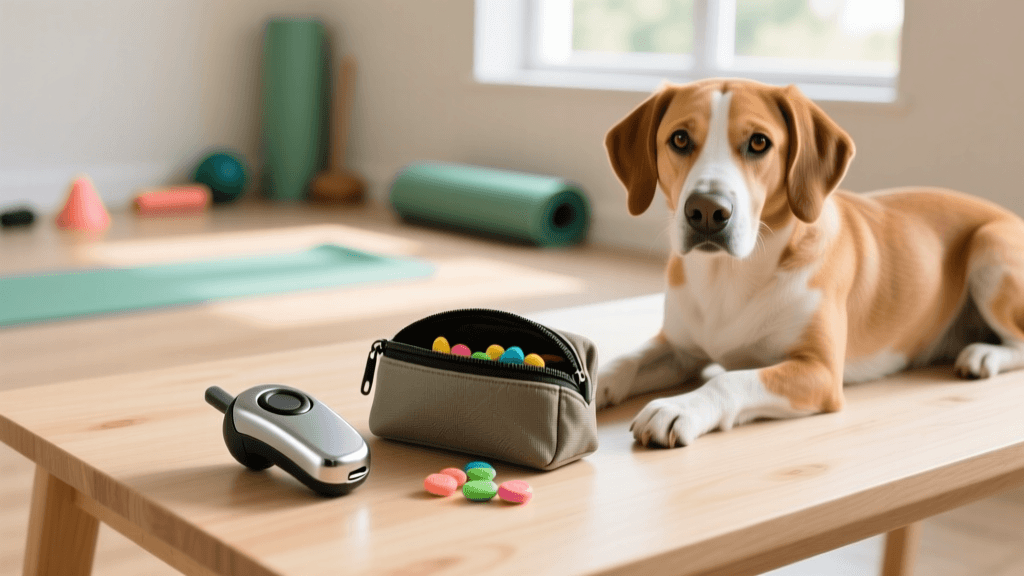
Enlist a family member or friend to gently hold your dog by their harness or chest. Stand just three feet away, say your dog's name followed by your recall cue ('Buster, Come!'), and immediately back away while clapping your hands and offering enthusiastic praise. The restraint builds frustration and drive, causing the dog to pull toward you. When your dog reaches you, deliver a 'jackpot' reward: three to five high-value treats, such as freeze-dried beef liver or Zuke's Mini Naturals, fed one by one to prolong the reward event.
Ping-Pong Recalls
Once your dog understands the game, increase the distance to 10 feet and alternate calling the dog between two people. Keep sessions incredibly short—no more than three to five minutes, two or three times a day. The goal is to leave the dog wanting more. According to the ASPCA, you should never call your dog to you for something they perceive as negative, such as a bath, nail trim, or leaving the dog park, as this will 'poison' the recall cue and teach the dog that coming to you ends their fun.
Phase 2: Controlled Outdoor Environments (Weeks 3-5)
Once your dog is eagerly sprinting to you indoors, it is time to move outside. However, moving to a 10-acre open field immediately is a recipe for failure. You must control the environment to ensure your dog cannot practice ignoring the cue.
Equipment: The Long Line and Harness
For this phase, you will need a 15-foot to 30-foot long line. We highly recommend a biothane long line (typically costing between $20 and $35). Unlike cotton or nylon webbing, biothane does not absorb water, mud, or odors, and it glides easily through your hands without causing rope burn. Attach the long line to a well-fitted Y-front harness, such as the Ruffwear Front Range (approx. $40), rather than a flat collar. If your dog hits the end of the line while chasing a distraction, a harness disperses the pressure safely across their chest, preventing tracheal or cervical injuries.
Outdoor Proofing
Take your dog to a quiet, low-distraction outdoor area like a vacant tennis court or a calm backyard. Let them sniff and explore on the loose long line. Wait for a moment when they are not actively engaged in a high-value distraction, give your recall cue, and gently reel them in if necessary while offering high praise. The American Kennel Club's training resources emphasize the importance of making yourself the most exciting thing in the environment during these early outdoor stages, recommending enthusiastic praise, play with a favorite tug toy, and high-value food rewards to solidify the behavior.
Phase 3: Long-Line Distraction Training (Weeks 6-8)
Now we introduce controlled distractions. This is where many owners rush and accidentally ruin their recall. The key to Phase 3 is managing the 'Three Ds': Distance, Duration, and Distraction. You will only increase one of these variables at a time.
The Premack Principle
The Premack Principle dictates that a more probable behavior can be used to reinforce a less probable behavior. In recall training, this means using the environment itself as the reward. Call your dog away from a mild distraction (like a single, calm friend standing 20 feet away). When your dog returns to you, reward them with food, and then immediately release them with a cue like 'Go Play!' to run back to the friend. By allowing the dog to return to the distraction, you teach them that coming to you does not mean the end of their fun; it is merely a pit stop for a reward before the fun resumes.
Measuring Latency
During this phase, pay close attention to 'latency'—the time it takes for your dog to initiate the return after hearing the cue. If latency is longer than one second, the distraction level is too high, or your reward history is too low. Take a step back, increase the distance from the distraction, and increase the value of your treats.
Phase 4: Off-Leash Reliability and Proofing (Weeks 9+)
Transitioning to off-leash freedom should only occur in legally permitted, securely fenced areas, or after your dog has demonstrated a 95% success rate on a 30-foot long line in highly distracting environments.
The 'Drop the Leash' Method
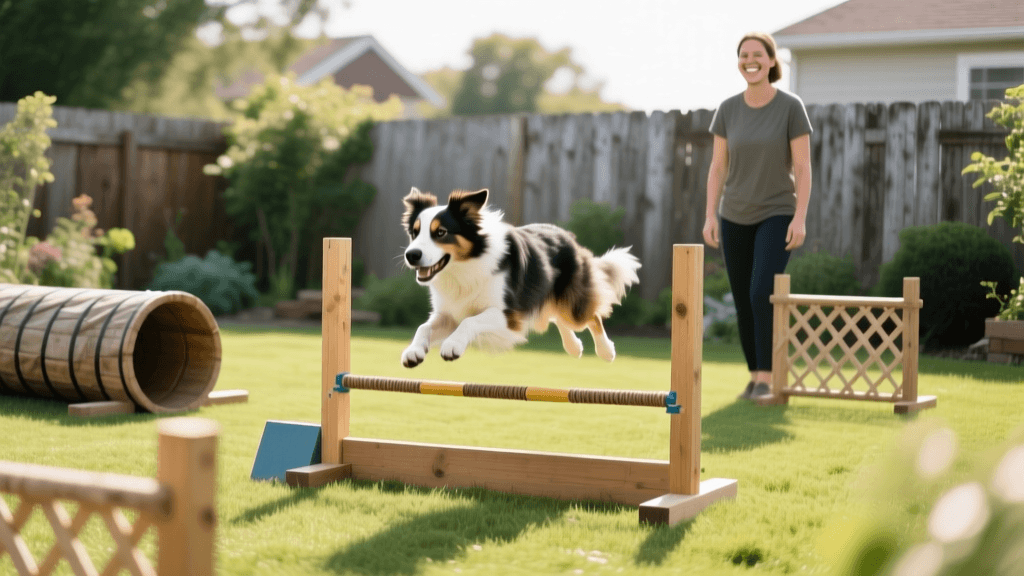
In a fenced area, let your dog drag a lightweight 10-foot leash. This allows you to step on the leash if an emergency occurs, preventing the dog from learning that they can outrun you. Practice 'check-ins,' which involves heavily rewarding your dog with treats or praise whenever they voluntarily look at you or return to you without being asked. This builds a habit of default engagement.
Emergency Recall
Consider training a separate 'Emergency Recall' cue. This is a special word or whistle paired exclusively with an astronomical reward, such as a whole roasted chicken or a brand-new toy that only appears when this specific cue is given. This cue is reserved strictly for emergencies where your dog is heading toward danger and you need to bypass their normal decision-making process.
Progression Checklist and Equipment Guide
Use the table below to track your progression and ensure you have the correct tools for each stage of the training plan.
| Training Phase | Environment | Primary Equipment Needed | Estimated Cost | Success Metric to Advance |
|---|---|---|---|---|
| Phase 1: Foundation | Indoors (Hallways, Living Room) | Standard collar/harness, treat pouch | $15 - $25 | 10/10 rapid responses with zero hesitation indoors. |
| Phase 2: Controlled Outdoors | Quiet yards, empty tennis courts | 15ft Biothane long line, Y-front harness | $60 - $75 | Reliable returns from 15 feet away with mild environmental scents. |
| Phase 3: Distractions | Quiet parks, friend's yards with dogs | 30ft Biothane long line, high-value treats | $30 - $40 | 95% success rate recalling away from stationary or mild distractions. |
| Phase 4: Off-Leash | Securely fenced areas, designated dog beaches | 10ft drag leash, emergency whistle | $15 - $20 | Consistent voluntary check-ins and immediate response to emergency cue. |
Troubleshooting Common Recall Failures
The Poisoned Cue
If you have repeatedly called your dog to you to scold them, bathe them, or end a play session, your cue is 'poisoned.' The dog has learned that 'Come' predicts an unpleasant outcome. The fastest solution is to abandon the old word entirely and start Phase 1 over with a brand-new cue, such as 'Here,' 'Touch,' or a specific whistle pitch.
Repeating the Cue
Saying 'Come, come, come, Buster, come here!' teaches your dog that the cue is actually a string of words, and that they do not need to respond until the fifth time you yell it. Give the cue exactly once. If the dog does not respond, calmly walk over to them, gently guide them by the harness back to your starting position, and reset the exercise at an easier difficulty level.
Punishing the Return
Never, under any circumstances, scold your dog when they finally come to you, even if it took them five minutes and caused you immense frustration. If you punish a dog upon their return, you are not punishing them for ignoring you; you are punishing them for the act of arriving at your side. Always reward the return, no matter how long it took.
Conclusion
Building a reliable recall is a marathon, not a sprint. By adhering to this structured progression plan, managing your dog's environment, and ensuring that returning to you is always the most rewarding choice they can make, you will forge a bond of trust that keeps your dog safe. Remember to be patient, keep your training sessions short and joyful, and celebrate the small victories along the way. With consistency and high-value reinforcement, your dog will learn that no matter how fascinating the world is, you are always the best destination.
hannah-wickes
All our authors care for dogs every day — read more of their work on the authors page.