The Ultimate Step-by-Step Puppy Crate Training Guide
Master puppy crate training with our step-by-step guide. Learn schedules, crate sizing, and positive reinforcement tips for a stress-free experience.
Why Crate Training is Essential for Your Puppy
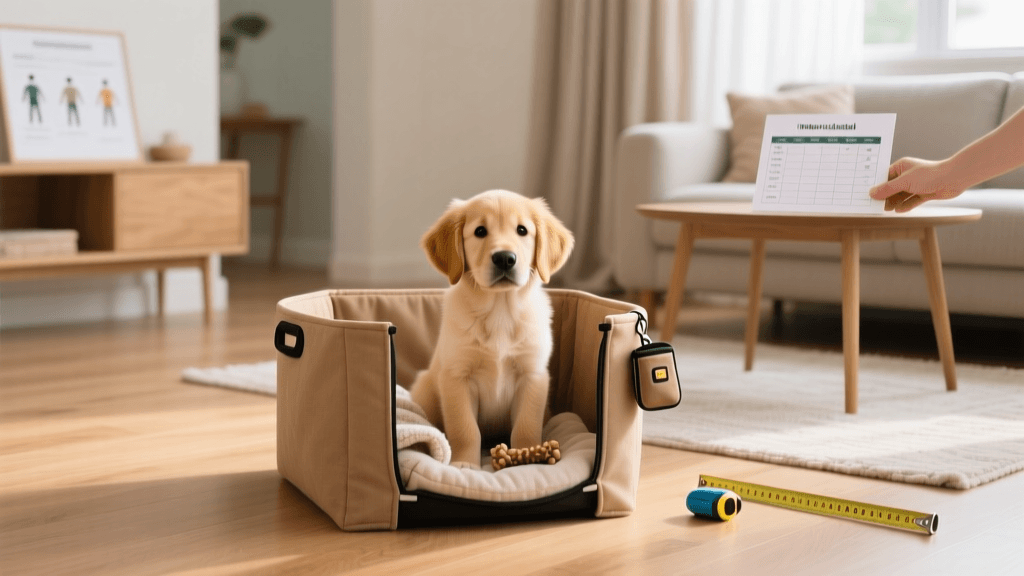
Crate training is one of the most valuable skills you can teach your new puppy. Far from being a form of punishment, a crate serves as a safe haven, a den-like environment where your dog can retreat when they feel overwhelmed, tired, or anxious. According to the American Society for the Prevention of Cruelty to Animals (ASPCA), dogs are naturally den animals, and a properly introduced crate taps into this instinct, providing them with a sense of security. Furthermore, crate training is a cornerstone of housebreaking, as puppies instinctively avoid soiling their sleeping area. It also prevents destructive behavior and keeps your puppy safe from household hazards like electrical cords or toxic plants when you cannot supervise them directly.
Choosing the Right Crate: Sizes, Types, and Costs
Before beginning the step-by-step training process, you must select the appropriate crate. The crate should be large enough for your puppy to stand up, turn around, and lie down comfortably, but not so large that they can designate one corner as a bathroom and another as a bedroom. If you have a large breed puppy, purchase a crate that will fit their adult size and use a movable divider panel to adjust the space as they grow. You should add roughly 2 to 4 inches to your dog's expected adult height and length to determine the correct crate dimensions.
| Crate Type | Best For | Estimated Cost | Pros & Cons |
|---|---|---|---|
| Wire Crate (e.g., Midwest iCrate) | Large breeds, home use, puppies | $40 - $80 | Highly ventilated, foldable, includes divider. Can be heavy and visually obtrusive. |
| Plastic/Airline Crate | Travel, anxious dogs, small breeds | $30 - $60 | Cozy, den-like, airline approved. Less ventilation, harder to clean. |
| Soft-Sided Crate | Fully trained adult dogs, travel | $25 - $50 | Lightweight, portable. Easily destroyed by chewing puppies, not for housebreaking. |
Step 1: Creating a Positive Association
The first step in our guide is to ensure your puppy views the crate as a highly rewarding place. Never force your puppy inside or use the crate as a time-out for bad behavior. Begin by placing the crate in a high-traffic family area, like the living room, with the door securely tied open. Toss high-value treats, such as Zuke's Mini Naturals or small pieces of boiled chicken, near the crate, then just inside the doorway, and finally all the way to the back. Allow the puppy to enter and exit at their own pace.
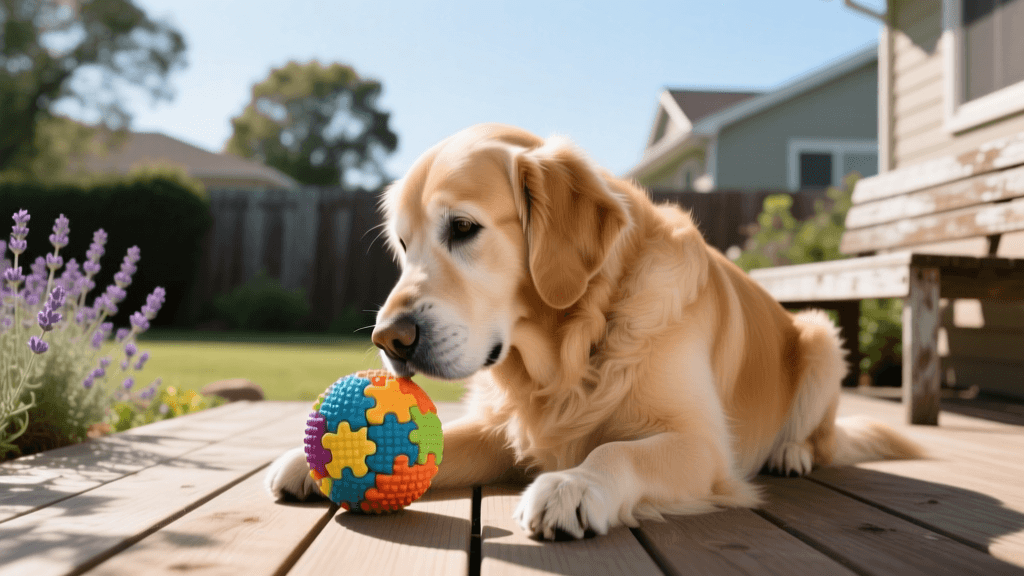
Next, introduce a special crate-only toy. The American Kennel Club (AKC) highly recommends using puzzle toys like the Kong Classic stuffed with dog-safe peanut butter or plain yogurt and frozen overnight. Give this toy to your puppy only when they are inside the crate. This builds a powerful positive association: the crate equals delicious, long-lasting treats. Spend 10 to 15 minutes on this step, repeating it 3 to 4 times a day for the first two days.
Step 2: Feeding and Napping in the Crate
Once your puppy is happily entering the crate for treats, begin feeding their regular meals inside. Start with the bowl near the door and gradually move it to the back of the crate over several days. If your puppy shows any hesitation, move the bowl back to a point where they are comfortable and progress more slowly. Mealtimes provide a predictable routine that helps solidify the crate as a normal, positive part of their day.
After a meal or a vigorous play session, puppies will naturally need to nap. Capitalize on this sleepy window by luring them into the crate with a gentle voice and a small treat. Sit near the crate with a book or your phone, offering quiet verbal praise as they drift off. Keep these initial naps short—around 20 to 30 minutes—and let them out immediately when they wake up, before they have the chance to whine or cry.
Step 3: Closing the Door and Building Duration
Now it is time to close the door. While your puppy is enjoying their frozen Kong or eating their dinner, gently swing the door shut and latch it. Do not make a big deal out of it. Stay seated right next to the crate. If they finish their food and remain calm, drop a few treats through the wire or plastic slots. After 5 minutes, open the door and let them out. Gradually increase the time the door is closed by 2 to 3 minutes per session.
Once your puppy can comfortably stay in the closed crate for 15 to 20 minutes while you sit nearby, begin to create distance. Stand up, take a few steps away, and return. Slowly increase your distance and the time you spend away from the crate's immediate vicinity. This step is crucial for preventing separation anxiety. If your puppy whines, wait for a brief 3-second pause in the noise before opening the door, so you do not accidentally reward the whining behavior.
Step 4: Leaving the Room and Nighttime Training
When your puppy is relaxed with you in another room, begin leaving the house for very short periods. Start with a 5-minute absence. Grab your keys, put on your shoes, step outside, and return calmly. Do not offer an emotional greeting upon return; simply let the puppy out of the crate and take them directly outside to potty. Gradually extend your absences to 15 minutes, 30 minutes, and eventually a few hours.
Nighttime training requires a slightly different approach. Place the crate in your bedroom for the first few weeks so your puppy can hear and smell you. This drastically reduces nighttime anxiety. Take away water 2 hours before bedtime and take your puppy out for a final potty break right before sleep. Set an alarm for a middle-of-the-night potty break, as young puppies cannot physically hold their bladders for 8 hours.
Puppy Crate Training Schedule and Bladder Capacity
Understanding your puppy's physical limitations is critical to success. A general rule of thumb is that a puppy can hold their bladder for one hour per month of age, up to a maximum of 8 hours for adult dogs. The Humane Society of the United States emphasizes that leaving a puppy crated longer than their bladder capacity will force them to soil their den, which severely undermines the housebreaking process and causes immense distress.
| Puppy Age | Maximum Daytime Crate Time | Nighttime Potty Breaks Needed | Training Focus |
|---|---|---|---|
| 8 - 10 Weeks | 1 to 1.5 Hours | 2 to 3 Breaks | Positive association, very short durations. |
| 11 - 14 Weeks | 2 to 3 Hours | 1 to 2 Breaks | Building duration, closing the door, napping. |
| 15 - 16 Weeks | 3 to 4 Hours | 0 to 1 Break | Leaving the room, short departures from home. |
| 6+ Months | 4 to 6 Hours | 0 Breaks | Solidifying routine, transitioning to adult schedule. |
Troubleshooting Common Crate Training Issues
Whining and Barking: If your puppy whines, evaluate the situation. Have they been outside recently? If yes, they are likely testing boundaries. Ignore the whining completely until they are quiet for at least 3 seconds, then reward the silence. If you let them out while they are crying, you have taught them that crying opens the door. If they haven't been out in hours, take them outside on a leash immediately, keep it boring, and return them to the crate.
Refusal to Enter: If your puppy puts on the brakes and refuses to go in, you may have moved too fast. Go back to Step 1. Toss treats inside, feed meals near the entrance, and ensure you are using high-value rewards like freeze-dried liver or small pieces of hot dog. Never push or drag your puppy into the crate.
Chewing the Crate Bars: Metal crate chewing can damage your puppy's teeth and gums. If this occurs, cover the crate with a breathable blanket to remove the visual stimulus of the bars, or provide a highly engaging chew toy, such as a Nylabone or a bully stick, to redirect their oral fixation. Ensure they are getting adequate physical exercise and mental stimulation outside the crate, as boredom is a primary driver of destructive crate behavior.
Conclusion
Crate training is a marathon, not a sprint. By following this step-by-step guide, utilizing positive reinforcement, and respecting your puppy's physical limits, you will build a lifelong bond of trust. Your puppy will eventually view their crate as their personal sanctuary, giving you peace of mind and providing them with a safe, cozy retreat for years to come.
aaron-whyte
All our authors care for dogs every day — read more of their work on the authors page.