Training Senior Dogs: Cognitive Enrichment & Low-Impact Tricks
Discover how to train senior dogs with low-impact tricks and cognitive enrichment. Keep your aging pup's mind sharp and body safe with our expert guide.
The Myth of the 'Old Dog'
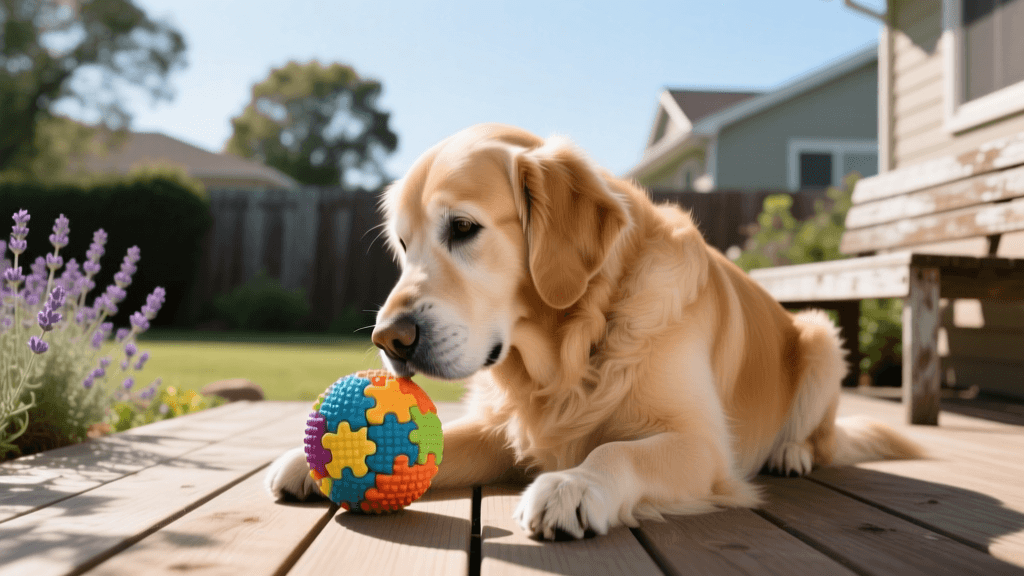
There is a pervasive and unfortunate myth in the dog ownership community that senior dogs cannot learn new tricks. This could not be further from the truth. In fact, training during your dog's golden years is not only possible, but it is also a critical component of comprehensive life stage care. As dogs age, their physical capabilities may decline, but their need for mental stimulation, routine, and bonding remains as strong as ever. At Paws-Tales, we believe that adapting your training approach to suit the senior life stage is one of the most rewarding investments you can make in your dog's twilight years.
Senior dog training is not about drilling high-impact obedience or agility routines; it is about cognitive preservation, adapting to physical limitations, and maintaining a high quality of life. This guide will walk you through the specific needs of the aging canine brain and body, providing actionable, low-impact training techniques designed specifically for senior dogs.
Defining the Senior Life Stage
The transition into the 'senior' life stage varies significantly by breed and size. Generally, small breeds (under 20 pounds) are considered seniors around 10 to 12 years of age, while medium breeds (21 to 50 pounds) reach senior status around 8 to 10 years. Large and giant breeds (over 50 pounds) often enter their senior years much earlier, typically between 6 and 8 years of age. Understanding where your dog falls on this spectrum is crucial for tailoring your training expectations and physical accommodations.
Physical Limitations and Training Adaptations
Before introducing new commands or cognitive games, it is vital to assess your dog's physical health. Senior dogs frequently suffer from osteoarthritis, hip dysplasia, and general muscle atrophy. Furthermore, sensory decline, such as cataracts, diminished night vision, and presbycusis (age-related hearing loss), can make traditional training methods frustrating for your pet.
Joint and Mobility Considerations
Avoid commands that require sudden movements, jumping, or prolonged sitting on hard surfaces. The traditional 'sit' command can actually be quite painful for a dog with severe hip dysplasia or knee arthritis. Instead, substitute 'sit' with a 'stand-stay' or a 'down' on an orthopedic memory foam mat. Keep all training sessions short—ideally 5 to 7 minutes—to prevent joint fatigue and mental exhaustion.
Sensory Decline (Vision and Hearing)
If your dog is losing their hearing, transition from verbal markers (like the clicker or the word 'Yes!') to visual markers. A gentle flash of a small penlight or a distinct hand signal, such as a thumbs-up, can serve as an excellent conditioned reinforcer. For dogs with failing eyesight, rely heavily on scent-based training and tactile cues, using high-value, aromatic treats like freeze-dried beef liver or strong-smelling cheeses to guide them.
Top Low-Impact Cognitive Tricks for Senior Dogs
Mental exhaustion is just as effective as physical exercise for tiring out a dog. A 15-minute cognitive training session can burn as many calories and provide as much satisfaction as a 45-minute walk. Here are three highly effective, low-impact tricks and games tailored for the senior brain.
1. Scent Work and Nose Games
A dog's olfactory lobe is massive, and processing scents requires significant brainpower. Scent work is arguably the best cognitive enrichment for senior dogs because it requires almost zero physical strain.
- The Setup: Invest in a high-quality snuffle mat (typically costing between $15 and $30). These mats feature deep fleece strips where you can hide kibble or treats.
- The Execution: Start by placing strong-smelling treats in plain sight on top of the mat. Give the cue 'Find it.' As your dog understands the game, push the treats deeper into the fleece.
- Progression: Move the game to the living room. Hide treats under a lightweight towel, inside a cardboard box, or behind a table leg. This encourages natural foraging behaviors and builds confidence in dogs that may feel insecure due to vision loss.
2. Hand Targeting (The 'Touch' Command)
Hand targeting teaches your dog to touch their nose to the palm of your hand. This is an incredibly useful mobility assistance trick for senior dogs.
- The Setup: Hold your open palm about two inches from your dog's nose.
- The Execution: When they lean forward to sniff your hand, mark the behavior (use a visual cue if they are hard of hearing) and reward with a treat from your other hand.
- Real-World Application: Once mastered, you can use the 'Touch' command to guide your arthritic dog into the car, onto a veterinary scale, or away from a slippery floor without ever having to pull on their collar or harness, thereby protecting their fragile neck and spine.
3. Toy Identification and Cognitive Mapping
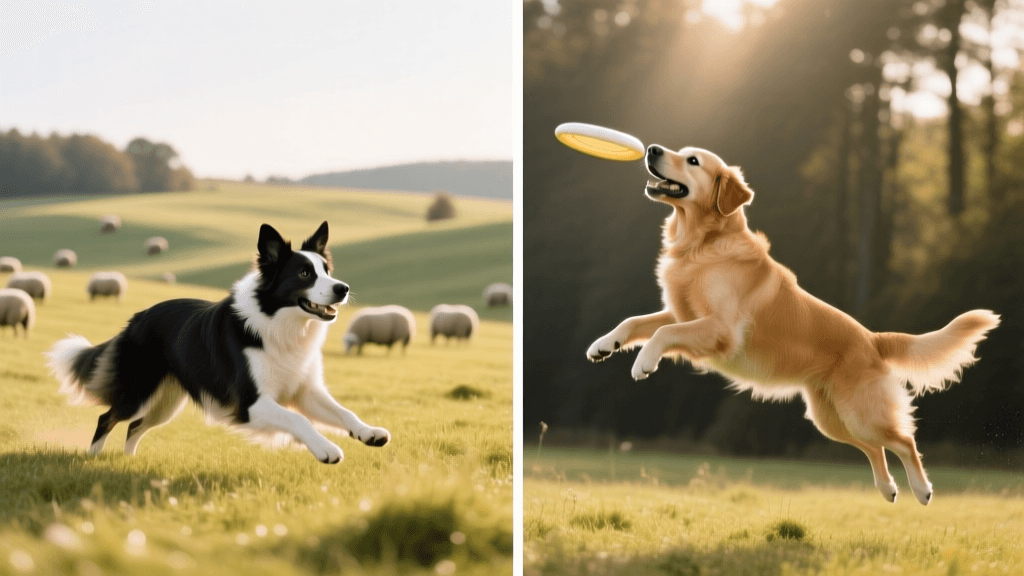
Teaching your dog the names of their toys is a fantastic way to build cognitive maps and stave off mental decline. Border Collies are famous for this, but any senior dog can learn a few key nouns.
- The Setup: Select one distinct toy, such as a specific rope knot.
- The Execution: Hold the toy, say its name ('Rope'), and reward your dog for interacting with it. Repeat this over several days until the dog associates the sound 'Rope' with that specific object.
- Progression: Place the 'Rope' next to a second, unnamed toy. Ask your dog to 'Get Rope.' Reward heavily for the correct choice. This forces the aging brain to recall, differentiate, and execute a specific task, promoting neuroplasticity.
Senior Dog Weekly Enrichment & Training Schedule
Consistency is key for aging dogs, as routine reduces anxiety. Below is a structured, low-impact weekly schedule designed to balance cognitive stimulation with physical rest. This schedule assumes a senior dog with mild to moderate mobility issues.
| Day | Activity | Duration | Primary Benefit |
|---|---|---|---|
| Monday | Snuffle Mat Foraging | 10 Minutes | Olfactory stimulation, low physical impact |
| Tuesday | Hand Targeting ('Touch') | 5 Minutes | Mobility assistance, focus, bonding |
| Wednesday | Active Rest & Massage | 15 Minutes | Joint relief, circulation, tactile bonding |
| Thursday | Toy Identification Game | 10 Minutes | Cognitive mapping, memory recall |
| Friday | Scent Trail (Indoor) | 10 Minutes | Problem-solving, confidence building |
| Saturday | Gentle Trick Review | 5-7 Minutes | Maintenance of known behaviors |
| Sunday | Free Choice / Rest Day | N/A | Recovery, unstructured relaxation |
Recognizing and Managing Canine Cognitive Dysfunction (CCD)
As you engage in senior training, you must be vigilant for signs of Canine Cognitive Dysfunction (CCD), a neurodegenerative disease similar to Alzheimer's in humans. According to the American Kennel Club (AKC), CCD affects a significant percentage of dogs over the age of 11, and early intervention is critical.
Veterinarians often use the DISHA acronym to identify CCD:
- Disorientation (wandering into corners, staring at walls)
- Interactions (changes in how they greet you or react to other pets)
- Sleep-wake cycle disturbances (pacing at night, sleeping all day)
- House soiling (forgetting potty training)
- Activity level changes (apathy or repetitive behaviors like licking)
If you notice these signs, consult your veterinarian immediately. The ASPCA notes that while CCD cannot be cured, its progression can be slowed through a combination of veterinary-prescribed medications (such as Selegiline), specialized therapeutic diets, and the exact type of cognitive enrichment training outlined in this guide. Keeping the brain active through scent work and puzzle toys builds cognitive reserve, helping your dog navigate the confusion of CCD with greater resilience.
'Mental stimulation is just as important as physical exercise for senior dogs. Engaging their brains through novel tasks and scent games can help preserve neural pathways and significantly improve their overall quality of life.' — Canine Geriatric Behavioral Guidelines
Nutritional Support for the Aging Canine Brain
Training a senior dog goes hand-in-hand with life stage nutritional care. The aging brain requires specific nutrients to combat oxidative stress and inflammation. Veterinary experts at Washington State University's College of Veterinary Medicine emphasize the importance of tailored diets for senior dogs to support both joint and cognitive health.
- Omega-3 Fatty Acids (EPA and DHA): Sourced from wild-caught salmon oil, these fats are crucial for maintaining the structural integrity of brain cell membranes and reducing neuro-inflammation.
- Medium-Chain Triglycerides (MCTs): The aging brain often struggles to metabolize glucose efficiently. MCT oils (often found in coconut oil or specialized senior dog supplements) provide an alternative energy source (ketones) for the brain, improving alertness and trainability. A typical dose is 1/4 teaspoon per 10 pounds of body weight, but always consult your vet first.
- Antioxidants: Vitamins E and C, along with botanical extracts like ginkgo biloba, help neutralize free radicals that damage aging brain tissue.
When using treats for training, account for these calories in your dog's daily intake to prevent obesity, which exacerbates joint pain. Consider using your dog's measured daily kibble allowance as training rewards, supplemented occasionally with high-value, low-calorie options like boiled chicken breast or blueberries.
Conclusion
Training a senior dog is a profound act of love and life stage care. By shifting your focus from physical obedience to cognitive enrichment, you honor the years of loyalty your dog has given you. Through low-impact tricks like scent work and hand targeting, coupled with a supportive diet and an understanding of age-related conditions like CCD, you can ensure your dog's golden years are truly golden. Keep the sessions short, keep the treats aromatic, and cherish every moment of connection with your aging companion.
marcus-aldridge
All our authors care for dogs every day — read more of their work on the authors page.