Crate Training a Puppy: Answering Google's Top Questions
Discover answers to Google's most-asked questions about puppy crate training. Learn sizing, timing, costs, and step-by-step methods for a stress-free experience.
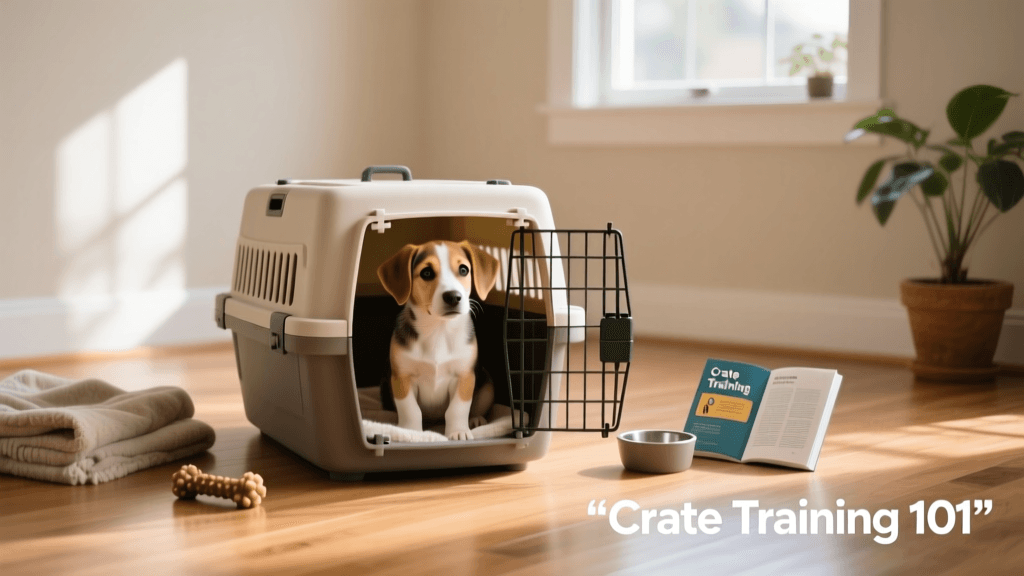
Crate Training a Puppy: Answering Google's Most-Asked Questions
If you have recently brought a new puppy home, you have likely found yourself scrolling through Google at 2:00 AM, desperately searching for crate training advice. Crate training is one of the most effective methods for housebreaking, preventing destructive behavior, and providing your dog with a safe, den-like sanctuary. However, the process is fraught with common pitfalls and confusing advice. In this comprehensive guide, we are answering Google's most frequently asked questions about puppy crate training, providing you with actionable steps, exact measurements, product recommendations, and timing schedules to ensure success.
What Size Crate Should I Buy for My Puppy?
The 'Goldilocks Rule' of crate sizing is critical for potty training. If the crate is too large, your puppy will designate one corner for sleeping and another for eliminating. If it is too small, they will be uncomfortable and anxious. According to the ASPCA, a crate should be just large enough for the dog to stand up, turn around, and lie down comfortably.
How to Measure:
- Length: Measure from the tip of your puppy's nose to the base of their tail (do not include the tail), then add 2 to 4 inches.
- Height: Measure from the top of their head (or the tip of their ears if they are erect) to the floor, then add 2 to 4 inches.
Pro-Tip for Growing Puppies: Do not buy a new crate every month. Invest in a wire crate with a movable divider panel. The MidWest iCrate Double Door Dog Crate (Cost: $45 - $75 depending on size) is an industry standard. You can move the divider panel as your puppy grows, ensuring the space remains perfectly sized for their current developmental stage while blocking off the excess space.
How Long Can a Puppy Stay in a Crate?
Puppies have tiny bladders and high metabolic rates. Forcing a puppy to hold it longer than they physically can will ruin your potty training progress and create negative associations with the crate. A general rule of thumb for daytime crating is the puppy's age in months plus one (e.g., a 3-month-old puppy can hold it for about 4 hours maximum). However, puppies can usually sleep longer stretches at night because their metabolism slows down.
Below is a structured data table outlining the maximum recommended crating durations based on age:
| Puppy Age | Max Daytime Hours | Max Nighttime Hours | Potty Break Frequency |
|---|---|---|---|
| 8 - 10 Weeks | 1 - 2 Hours | 3 - 4 Hours | Every 1-2 hours |
| 11 - 14 Weeks | 2 - 3 Hours | 5 - 6 Hours | Every 2-3 hours |
| 15 - 16 Weeks | 3 - 4 Hours | 6 - 7 Hours | Every 3-4 hours |
| 17+ Weeks | 4 - 5 Hours | 8 Hours | Every 4-5 hours |
Note: Never leave a puppy crated for 8 hours during the active daytime. If you work full-time, you must hire a dog walker or use a puppy-proofed exercise pen.
Should I Leave Water in the Puppy's Crate?
This is one of the most highly debated questions on search engines. The answer depends on the time of day and your potty training goals.
- Overnight: Remove water bowls 1.5 to 2 hours before bedtime. This allows your puppy to empty their bladder right before crating, significantly reducing middle-of-the-night whining and accidents.
- Daytime: If your puppy is crated for more than 2 hours during the day, they need access to hydration. However, standard bowls tip over and create wet bedding, which causes skin irritation and defeats the purpose of the 'clean den' instinct.
Product Recommendation: Use a clip-on, elevated bowl like the MidWest Snap'y Fit Crock Bowl (Cost: ~$15). It twists securely into the wire bars, preventing spills and keeping the bedding dry.
How Do I Stop My Puppy From Crying in the Crate at Night?
Nighttime crying is the number one reason owners abandon crate training. It is vital to understand the difference between 'testing boundaries' and genuine distress. The Humane Society of the United States emphasizes that crates should never be used as punishment and should be introduced gradually with positive reinforcement to prevent severe anxiety.
Actionable Steps to Stop Crying:
- Exhaust Them First: Engage in 20-30 minutes of active play and mental enrichment (like snuffle mats or training sessions) an hour before bed.
- The Heartbeat Trick: Puppies miss the physical sensation of their littermates. The SmartPetLove Snuggle Puppy (Cost: ~$39.95) features a simulated heartbeat and heat pack that mimics a sleeping mother, drastically reducing nighttime vocalizations.
- Cover the Crate: Use a breathable, dedicated crate cover (or a light sheet, ensuring airflow) to block out visual stimuli. This creates a darker, more secure 'den' environment.
- Ignore the 'Extinction Burst': If you let your puppy out when they are crying, you teach them that crying equals freedom. Wait for a solid 5 to 10 seconds of absolute silence before opening the door, even if you are just letting them out for a potty break.
What is the Best Type of Crate for a Puppy?
Not all crates are created equal. Choosing the right material is crucial for safety and training efficacy. Here is a comparison of the three main types:
- Wire Crates (Best for Puppies): Excellent ventilation, visibility, and foldable for travel. Most importantly, they allow for the use of divider panels and clip-on accessories. Cost: $40 - $90.
- Plastic/Airline Crates: Creates a cozier, darker, den-like feel which some anxious dogs prefer. However, they lack ventilation on all sides, cannot be resized with dividers, and are harder to clean if an accident occurs. Cost: $30 - $70.
- Soft-Sided/Fabric Crates: Highly portable and lightweight. Warning: Never use these for untrained puppies. A teething puppy will chew through the mesh in minutes, potentially ingesting dangerous materials or escaping. Reserve these for fully trained adult dogs. Cost: $30 - $60.
Where Should I Place the Crate in My Home?
Location dictates how secure your puppy feels. Dogs are pack animals and isolation can trigger panic.
- Daytime: Place the crate in a high-traffic area like the living room or kitchen so your puppy can observe the family and nap without feeling exiled.
- Nighttime: Move the crate into your bedroom, ideally right next to your bed. Your puppy can smell and hear you, which lowers their heart rate and reduces separation anxiety. As they grow older and sleep through the night, you can gradually move the crate to the doorway, then into the hallway, and eventually to its permanent adult location.
- Climate Control: Ensure the crate is not placed directly in front of an AC vent, radiator, or in direct sunlight. Maintain an ambient room temperature between 68°F and 72°F (20°C - 22°C).
Step-by-Step: How to Introduce the Crate Positively
Never force your puppy into the crate and lock the door on day one. Follow this 4-day conditioning protocol:
Day 1: The Open Door Policy. Leave the door open. Toss high-value treats (like boiled chicken or freeze-dried liver) inside. Feed them their regular meals inside the crate with the door open. Praise them heavily when they enter voluntarily.
Day 2: Closing the Door. Feed meals inside the crate, but gently close the door while they eat. Open it immediately when they finish. Gradually increase the time the door stays closed by 10-second increments while you sit right next to them.
Day 3: Stepping Away. Give your puppy a long-lasting chew (like a frozen Kong stuffed with puppy-safe peanut butter). Close the door and sit across the room. If they remain calm, step out of the room for 1 minute, then return before they finish the chew.
Day 4: The First Night. Follow your nighttime potty routine, use the Snuggle Puppy, cover the crate, and settle in for the night. Expect some fussing, but stick to the silence rule before opening the door for potty breaks.
Final Thoughts on Crate Training Success
Crate training requires immense patience, consistency, and empathy. By answering these common questions and adhering to a structured schedule, you are not just preventing accidents on your rug; you are giving your puppy a lifelong coping mechanism and a safe space they will actively seek out when they need to relax. Remember to always pair the crate with positive experiences, and never use it as a timeout zone for bad behavior. With the right sizing, timing, and tools, your puppy will learn to love their crate in no time.
marcus-aldridge
All our authors care for dogs every day — read more of their work on the authors page.