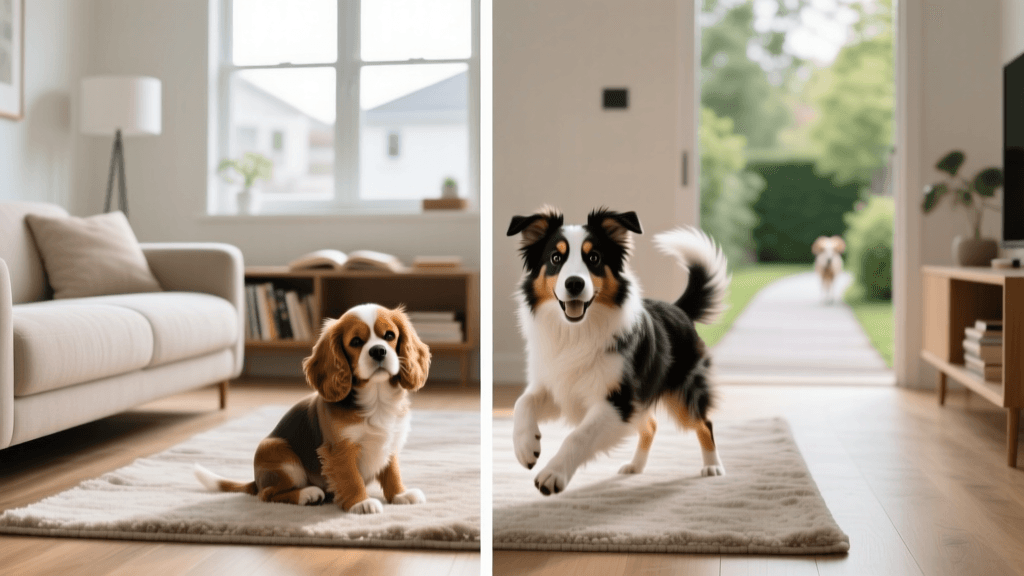
Puppy Breed Selection: First-Year Care Costs and Needs
Compare first-year puppy care needs, costs, and training times across popular breeds. Find the perfect match for your lifestyle before bringing a pup home.
The Reality of the First Year: Why Breed Selection Dictates Care
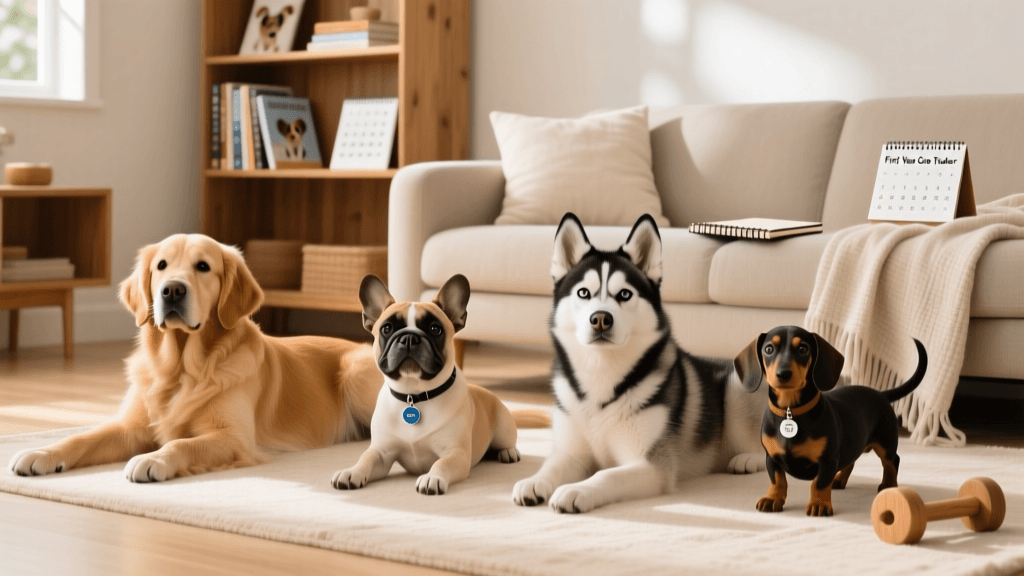
Bringing home a new puppy is one of life’s most rewarding experiences, but the first twelve months are a crucible of sleepless nights, chewed baseboards, and endless veterinary visits. When prospective owners evaluate breeds, they often focus on adult temperament, coat aesthetics, or size. However, from a dedicated puppy care perspective, the most critical factor is how a breed’s genetic blueprint influences its first-year developmental milestones. Choosing a puppy is not just about selecting a companion; it is about selecting a specific set of care requirements, financial obligations, and time commitments that will dominate your daily routine for the next 365 days.
Whether you are considering a high-energy herding dog, a moderate sporting breed, or a low-energy companion toy, understanding the nuances of feeding schedules, potty training timelines, and teething phases across different breed groups is essential. This comprehensive guide compares the first-year care realities of popular breed categories, helping you align your lifestyle with a puppy’s biological needs before you sign the adoption papers.
The Biology of the First Year: Size Dictates the Schedule
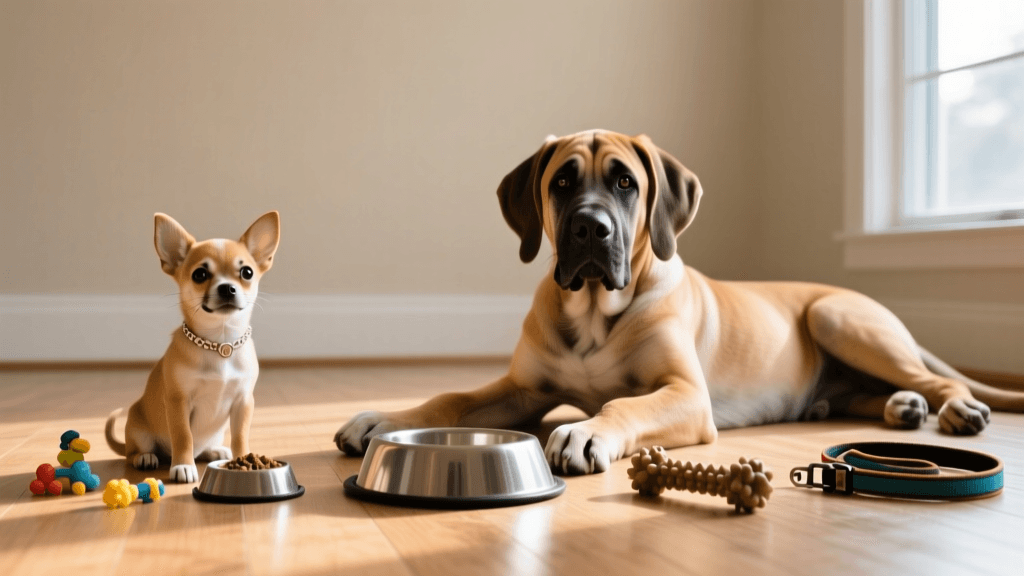
A puppy’s projected adult weight is the primary driver of its first-year care schedule. Small breed puppies (projected adult weight under 20 pounds) and giant breed puppies (projected adult weight over 70 pounds) experience vastly different developmental trajectories.
Feeding Schedules and Hypoglycemia Risks
Toy and small breeds, such as the Chihuahua, Yorkshire Terrier, and Pomeranian, possess incredibly fast metabolisms and minimal fat reserves. During the first three months of life, they are highly susceptible to hypoglycemia (dangerously low blood sugar). Consequently, small breed puppies require feeding schedules of three to four small meals a day using calorie-dense, small-kibble formulas like Royal Canin X-Small Puppy. Conversely, large and giant breeds like the Great Dane or Mastiff grow at an explosive rate. Their feeding schedule must be strictly controlled to prevent rapid bone growth, which can lead to orthopedic issues like hip dysplasia. Large breed puppies require specialized diets with precise calcium-to-phosphorus ratios, typically fed in three measured meals a day until six months of age, then transitioned to two meals.
Potty Training: Bladder Capacity vs. Patience
Potty training is universally challenging, but breed size dictates the physical limitations of the puppy. A 10-week-old Golden Retriever has a significantly larger bladder capacity than a 10-week-old Maltese. Small breed owners must anticipate taking their puppy outside every 45 to 60 minutes during waking hours, and often once or twice during the night. Giant breeds can often hold their bladder for slightly longer intervals, though their sheer volume of output requires immediate access to an outdoor yard. Apartment dwellers should carefully weigh the logistical nightmare of carrying a rapidly growing, unvaccinated large breed puppy down multiple flights of stairs every hour versus utilizing indoor pee-pad systems for toy breeds during the early immunization period.
Teething Timelines and Destructive Phases
All puppies lose their 28 deciduous (baby) teeth to make way for 42 adult teeth, but the timeline varies. Small breeds often begin teething earlier (around 12 weeks) and may retain baby teeth, requiring veterinary extraction during their spay/neuter surgery. Large breeds typically start teething closer to 16 weeks. During the peak teething window (4 to 6 months), the urge to chew is a biological imperative. High-drive working breeds will destroy drywall and furniture if not provided with appropriate outlets, whereas companion breeds may focus their chewing on smaller items like shoes or remote controls.
First-Year Care Comparison Matrix
To help you visualize the commitment required, the table below compares the estimated first-year care parameters across three major breed groups. Data reflects average requirements for a healthy puppy from 8 weeks to 12 months of age.
| Care Parameter | Toy / Companion (e.g., Pug, Cavalier) | Sporting / Medium (e.g., Retriever, Spaniel) | Herding / Working (e.g., Collie, Shepherd) |
|---|---|---|---|
| Est. First-Year Cost | $1,800 - $2,500 | $2,500 - $3,500 | $3,000 - $4,500+ |
| Daily Exercise (Months 6-12) | 30 - 45 minutes | 60 - 90 minutes | 90 - 120+ minutes (physical & mental) |
| Potty Training Difficulty | High (small bladder, weather sensitivity) | Moderate (eager to please, good capacity) | Low-Moderate (highly intelligent, fast learners) |
| Required Crate Size (Adult) | 24" x 18" x 21" | 36" x 23" x 25" or 42" x 28" x 31" | 42" x 28" x 31" or 48" x 30" x 33" |
| Obedience Training Need | Basic manners, socialization | Advanced recall, impulse control | Job-oriented tasks, advanced agility/herding |
Budgeting for the First Year: Real Cost Estimates
Financial preparation is a cornerstone of responsible breed selection. According to the Humane Society of the United States, the first year of dog ownership is invariably the most expensive due to initial veterinary setups, spay/neuter procedures, and gear acquisition. For a medium-sized sporting breed, expect to spend between $2,500 and $3,500 in the first 12 months. This includes the core vaccine series (DHPP and Rabies), optional but highly recommended lifestyle vaccines (Bordetella, Leptospirosis, Lyme), flea/tick/heartworm preventatives like NexGard or Heartgard Plus, and microchipping.
Working and herding breeds push this budget higher, primarily due to the sheer volume of food consumed, the need for heavy-duty gear (which small breeds simply do not require), and the high likelihood of needing professional behavioral training or doggy daycare to manage their intense energy levels while owners work.
Essential First-Year Gear by Breed Profile
Selecting the right gear mitigates first-year frustrations. Here is a targeted shopping list based on your chosen breed category:
- For Anxious Companion Breeds: Separation anxiety is common in velcro breeds like the Cavalier King Charles Spaniel. Invest in a Snuggle Puppy Behavioral Aid, which includes a heartbeat simulator and heat pack to ease the transition from the litter to your home during the first 8 weeks.
- For Heavy-Chewing Sporting Breeds: Labs and Goldens explore the world with their mouths. Stock up on KONG Classic Puppy toys (the softer, pink/blue rubber) and fill them with frozen pumpkin and plain yogurt to soothe teething gums and provide 30 minutes of quiet enrichment.
- For High-Drive Herding Breeds: Mental exhaustion is more important than physical exhaustion for a Border Collie or German Shepherd. Utilize Snuffle Mats for all meal feedings to engage their natural foraging instincts, and invest in a Flirt Pole to satisfy their prey drive safely without encouraging nipping at children's ankles.
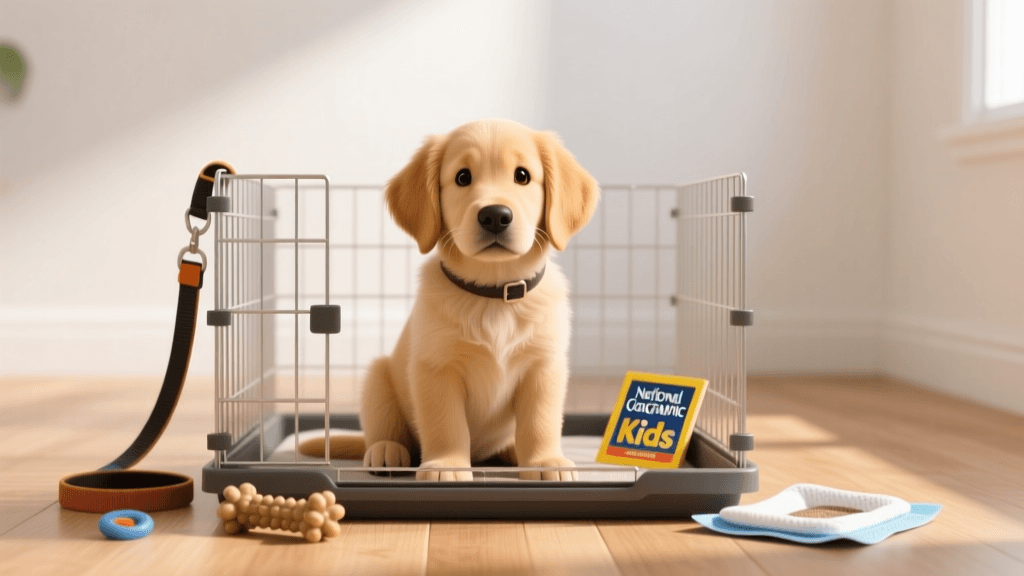
- Universal Necessity: Regardless of breed, purchase an adjustable MidWest iCrate with a divider panel. This allows you to expand the living space as the puppy grows, which is vital for potty training, as dogs naturally avoid soiling their immediate sleeping area.
The Socialization Window: A Breed-Agnostic Imperative
While exercise needs and feeding schedules vary wildly by breed, the timeline for early socialization is universal. The American Kennel Club (AKC) notes that the critical socialization window for all puppies closes between 12 and 14 weeks of age. During this brief period, puppies must be exposed to a wide variety of people, environments, surfaces, and sounds to prevent lifelong fear-based behaviors.
According to the American Kennel Club's expert guidelines, waiting until a puppy has received all of its vaccinations (usually around 16 weeks) to begin socialization is a critical mistake that misses this vital developmental milestone. Prospective owners of protective working breeds (like Rottweilers or Livestock Guardian Dogs) must prioritize this window above all else, as inadequate early socialization in these breeds can lead to severe liability and behavioral issues. The American Veterinary Medical Association (AVMA) supports safe, controlled early socialization in environments free from unvaccinated dogs, such as carrying the puppy through busy hardware stores or hosting vaccinated adult dog playdates in your private yard.
"Selecting a puppy based solely on a photograph or a movie trend is a recipe for disaster. The first year of a puppy's life is a full-time job. Match the breed's biological requirements to your actual daily schedule, not the schedule you wish you had."
Conclusion: Making the Informed Choice
The first year of a puppy’s life sets the foundation for the next decade of your relationship. By viewing breed selection through the lens of first-year care—acknowledging the realities of 3:00 AM potty breaks for toy breeds, the intense mental stimulation required for herding breeds, and the financial investment of large-breed veterinary care—you transition from an impulsive buyer to a prepared guardian. Take an honest inventory of your time, your living space, and your budget. When your lifestyle aligns seamlessly with a breed's developmental needs, the challenges of the first year transform from overwhelming burdens into deeply rewarding milestones.
robin-maitland
All our authors care for dogs every day — read more of their work on the authors page.