Apartment vs Active Puppy Breeds: A First-Year Guide
Discover the best puppy breeds for apartments versus active homes. Compare first-year costs, training needs, and care tips for your new furry friend.
The Foundation of Puppy Care: Matching Breed to Lifestyle
Bringing a puppy into your home is a transformative experience, but the first year of a dog's life requires immense dedication, strategic planning, and financial readiness. According to the American Kennel Club (AKC), selecting a breed that aligns with your living situation and daily routine is the most critical step in ensuring a harmonious relationship. A mismatch in energy levels or spatial needs can lead to behavioral issues, anxiety, and a stressful first year for both the puppy and the owner. This guide compares the first-year care requirements of apartment-friendly breeds versus active outdoor breeds, providing actionable advice, product recommendations, and developmental timelines to set your puppy up for lifelong success.
Top Apartment-Friendly Puppy Breeds
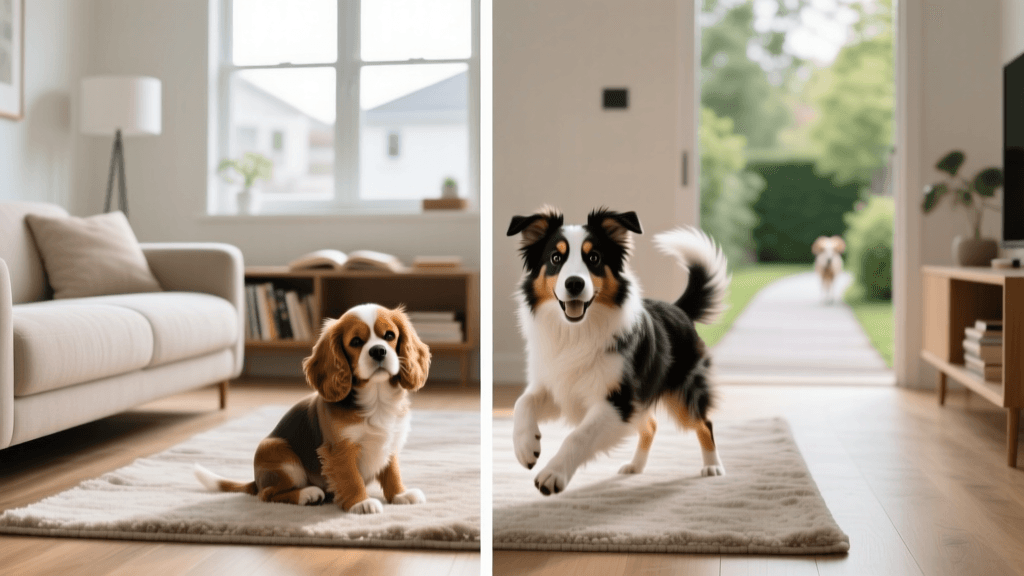
Living in an apartment or condo does not preclude you from puppy ownership, but it demands careful breed selection. Apartment-friendly puppies typically have lower indoor energy levels, lower vocalization tendencies, and adapt well to potty training on indoor pads or frequent, shorter outdoor walks.
Cavalier King Charles Spaniel
Known for their gentle disposition, Cavaliers thrive on companionship and require only moderate exercise. During the critical 8 to 16-week socialization window, they are highly receptive to meeting neighbors and navigating noisy urban environments. Their small bladder capacity means potty training requires taking them out every two to three hours during the day.
Greyhound
Despite their reputation as racing dogs, retired Greyhounds and even young Greyhound puppies are notorious couch potatoes. They require short bursts of intense outdoor exercise but are highly prone to sleeping up to 18 hours a day indoors. Their short coats require minimal grooming, saving you time and money during the first year.
Top Active and Outdoor Puppy Breeds
If you live in a home with a fenced yard, spend your weekends hiking, or run daily, an active breed will be your perfect companion. However, these breeds require rigorous mental and physical stimulation, especially during the teething and adolescent phases (4 to 10 months), to prevent destructive chewing and digging.
Border Collie
Border Collies are exceptionally intelligent and require job-oriented training. During the first year, basic obedience is not enough; you must introduce agility, advanced fetch, or scent work. A bored Border Collie puppy will quickly turn to chewing baseboards or digging up the yard.
Labrador Retriever
Labs are energetic, highly food-motivated, and famously mouthy during the teething phase. According to the ASPCA, consistent training and early socialization are vital for large, boisterous breeds to prevent jumping and leash-pulling. Labs require at least 60 to 90 minutes of vigorous exercise daily once their growth plates begin to close around 12 to 15 months.
First-Year Care Comparison: Apartment vs. Active Breeds
Understanding the distinct needs of these two lifestyle categories helps in budgeting your time and resources. Below is a structured comparison of first-year care requirements.
| Care Category | Apartment Breeds (e.g., Cavalier, Pug) | Active Breeds (e.g., Border Collie, Lab) |
|---|---|---|
| Daily Exercise (Months 6-12) | 30-45 minutes (short walks, indoor play) | 90-120 minutes (running, hiking, fetch) |
| Potty Training Strategy | Indoor grass pads or frequent elevator trips | Direct yard access or long perimeter walks |
| Mental Stimulation | Snuffle mats, puzzle feeders, window watching | Scent work, agility tunnels, advanced obedience |
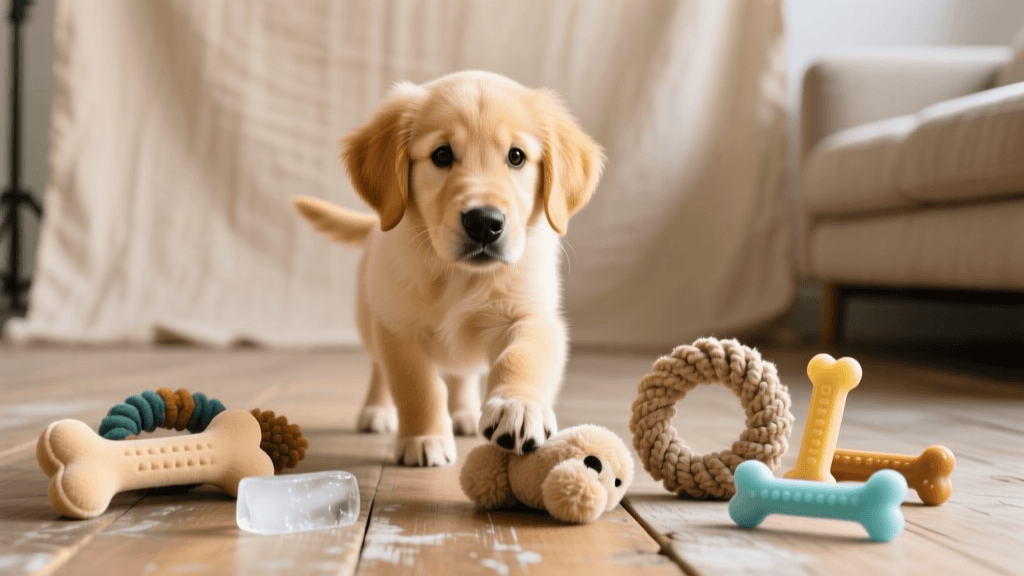
| Teething Management | Soft rubber toys, frozen carrot sticks | Heavy-duty chew toys, KONG Extreme, antlers |
| Grooming Costs (Year 1) | $200 - $500 (depends on coat type) | $300 - $800 (includes deshedding treatments) |
Essential First-Year Gear and Product Recommendations
Equipping your home with the right tools before your puppy arrives is crucial for managing the chaos of the first few months. Here are specific, actionable product recommendations tailored to your breed type.
Apartment Essentials
- Indoor Potty Solutions: Fresh Patch or DoggieLawn provides real hydroponic grass delivered to your door, helping apartment puppies transition from indoor pads to outdoor grass seamlessly.
- Odor Control: Nature's Miracle Advanced Stain and Odor Eliminator is mandatory for small spaces. Enzymatic cleaners break down uric acid crystals that standard household cleaners leave behind.
- Quiet Enrichment: The Outward Hound Nina Ottosson Dog Brick Puzzle keeps small breeds mentally exhausted without the noise of excessive barking or heavy thudding.
Active Breed Essentials
- Secure Harness: The Ruffwear Front Range Harness offers dual leash attachment points, essential for training strong pullers during the adolescent phase.
- GPS Tracking: Active puppies are flight risks when recalling outdoors. A Fi Series 3 Smart Dog Collar or Whistle GO SE GPS tracker provides real-time location tracking and monitors daily exercise goals.
- Durable Teething Gear: The KONG Extreme (black rubber) stuffed with frozen peanut butter and kibble can withstand the intense jaw pressure of a teething Labrador or Shepherd mix.
Developmental Milestones and Training Timelines
The first 12 months of a puppy's life are marked by rapid physiological and psychological changes. Missing critical windows can lead to lifelong behavioral hurdles.
Weeks 8 to 12: The Fear Period and Socialization
During this window, puppies are highly impressionable. Introduce them to various surfaces (gravel, grass, metal grates), sounds (vacuums, traffic), and vaccinated adult dogs. Active breeds need exposure to high-distraction environments, while apartment breeds need positive associations with loud urban noises like sirens and elevators.
Months 3 to 6: Teething and Bite Inhibition
Puppies lose their baby teeth and grow adult teeth, leading to intense chewing urges. Redirect biting to appropriate toys. If a puppy nips, let out a high-pitched yelp and withdraw attention for 10 seconds to teach bite inhibition. Never use physical punishment, as it increases fear-based aggression.
Months 6 to 10: Adolescence and Spay/Neuter
Adolescence is often the most frustrating phase. Hormonal surges can cause regression in potty training and recall. Consult your veterinarian regarding the optimal time to spay or neuter. Recent veterinary guidelines suggest waiting until large and active breeds (like Labs and Collies) are 12 to 18 months old to allow growth plates to close properly, reducing the risk of orthopedic issues like hip dysplasia.
Budgeting for Your Puppy's First Year
Financial preparedness is a cornerstone of responsible puppy ownership. According to industry estimates, the first year of dog ownership is the most expensive. Here is a breakdown of expected costs:
- Initial Veterinary Care ($400 - $800): Includes DHPP and Rabies vaccinations, deworming, flea/tick prevention (e.g., NexGard or Bravecto), and microchipping.
- High-Quality Nutrition ($300 - $900): Active breeds consume significantly more calories. Feeding a premium puppy-specific diet like Royal Canin Puppy or Purina Pro Plan Growth ensures proper bone and joint development.
- Training and Socialization ($200 - $600): Enrolling in a 6-week group puppy kindergarten class is highly recommended. Active breeds may require additional private behavioral sessions to manage herding or high-prey-drive instincts.
- Emergency Fund: Puppies are notorious for ingesting foreign objects like socks or rocks. Setting aside $1,000 or purchasing pet insurance (e.g., Trupanion or Healthy Paws) during the first month is highly advisable to cover potential gastrointestinal blockage surgeries, which can exceed $3,000.
Final Thoughts on Breed Selection
Ultimately, the success of your puppy's first year hinges on honest self-assessment. If you work long hours in an apartment, a high-energy working breed will suffer, leading to destructive behaviors and anxiety. Conversely, an active outdoor enthusiast will find a low-energy apartment breed incapable of keeping up on trails. By matching the breed's genetic predispositions to your lifestyle, investing in the right gear, and adhering to critical developmental timelines, you lay the groundwork for a healthy, well-adjusted adult dog. For more comprehensive information on canine health and developmental stages, consult resources provided by the Centers for Disease Control and Prevention (CDC) and your local veterinary professional.
hannah-wickes
All our authors care for dogs every day — read more of their work on the authors page.