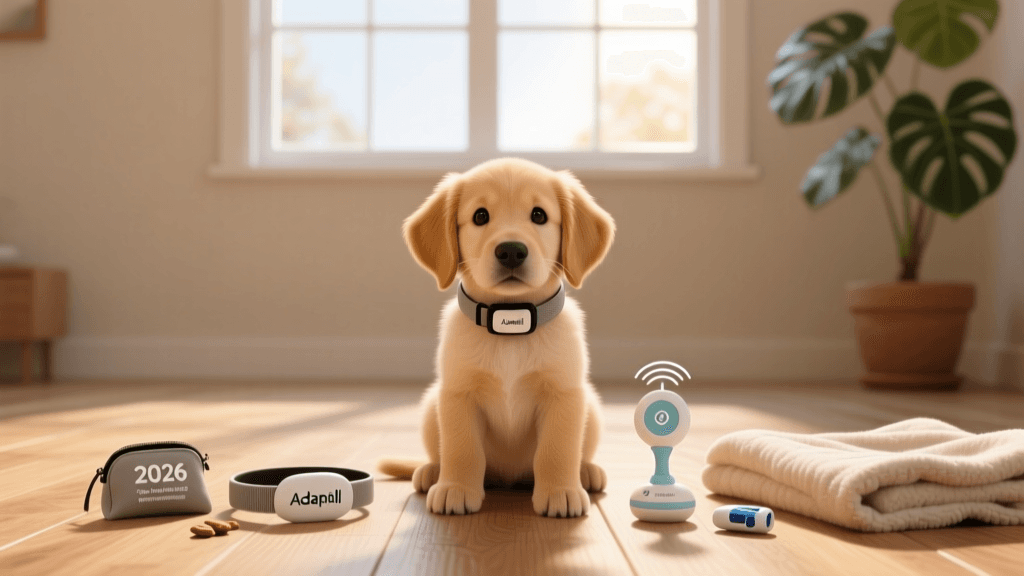
Force-Free Puppy Bite Inhibition: Reverse Time-Out Guide 2026
Master force-free puppy bite inhibition in 2026 with the reverse time-out method. Learn positive reinforcement techniques to stop nipping without punishment.
Understanding Puppy Nipping: The 2026 Force-Free Consensus
Bringing a new puppy home in 2026 is an exciting milestone, but it often comes with a painful reality: puppy nipping. As puppies explore their world, they use their mouths much like human toddlers use their hands. While this behavior is entirely normal, teaching bite inhibition is a critical developmental milestone that must be addressed during the first year. Fortunately, the veterinary and behavioral science communities have reached a definitive consensus. Outdated, aversive techniques like muzzle-holding, alpha rolls, and physical corrections are not only ineffective but can actively damage the human-animal bond and increase fear-based aggression. Today, positive reinforcement and force-free methods are the gold standard for puppy care.
According to the ASPCA, puppy nipping is a natural part of play and teething, but it requires consistent, humane boundaries. Force-free training focuses on teaching the puppy what to do, rather than punishing them for what they shouldn't do. By utilizing the 'Reverse Time-Out' method, you can effectively communicate that human skin is entirely off-limits without ever raising your voice or using physical intimidation.
The Science of Bite Inhibition
Bite inhibition refers to a dog's ability to control the force of their mouthing. In a natural setting, puppies learn this from their littermates. When one puppy bites too hard during play, the other puppy will yelp and stop playing. This immediate withdrawal of attention teaches the biter that hard bites end the fun. As the American Kennel Club (AKC) notes, humans must mimic this natural feedback loop to successfully teach bite inhibition before the puppy's adult teeth fully erupt around six months of age. Force-free methods rely on operant conditioning, specifically negative punishment, which simply means removing a desired stimulus (your attention) to decrease an unwanted behavior (biting).
The Reverse Time-Out Method: Step-by-Step
Traditional time-outs involve placing the puppy in a crate or pen. However, in 2026, force-free behaviorists highly recommend the Reverse Time-Out. Instead of removing the puppy from the environment—which can create negative associations with their crate or pen—you remove yourself from the puppy's environment. This perfectly mimics littermate behavior and preserves the crate as a safe, positive sanctuary.
Step 1: The Marker and Freeze
When your puppy's teeth make contact with your skin, clothing, or shoelaces, immediately let out a high-pitched, gentle 'Oops!' or 'Ouch!' Avoid yelling, as loud noises can trigger a fear response or inadvertently excite an already overstimulated puppy. After the vocal marker, completely freeze your body. Do not pull your hand away quickly, as this triggers the puppy's natural prey drive and encourages them to chase and bite harder.
Step 2: The Human Exits
If the puppy stops mouthing and backs off, reward them with calm praise and a redirection toy. However, if the puppy continues to bite or escalates their nipping, calmly stand up, turn your back, and step over a baby gate or out of the room for exactly 10 to 15 seconds. This brief withdrawal of social contact is the ultimate negative punishment. It teaches the puppy that biting results in the immediate end of playtime and social interaction.
Step 3: The Calm Return and Redirect
After 15 seconds of complete calm on the other side of the barrier, return to the puppy. Do not make a big fuss or use a high-pitched greeting. Simply offer an appropriate, force-free chewing alternative. If the puppy engages with the toy, offer calm verbal praise. If they immediately go for your skin again, repeat the process. Consistency is paramount; every single family member and visitor must adhere to this exact protocol in 2026 to prevent mixed signals.
Top 2026 Force-Free Redirection Tools for Teething Puppies
Redirection is only as successful as the alternatives you provide. Puppies need to chew, especially during the teething phases between 12 and 24 weeks. Providing a variety of textures and interactive enrichment toys is essential for force-free success. Below is a comparison of the top-rated, veterinarian-approved redirection tools available in 2026.
| Toy Name | Best For | 2026 Avg. Price | Force-Free Benefit |
|---|---|---|---|
| Kong Classic (Puppy Rubber) | Food stuffing and soothing gums | $16.00 | Builds positive associations with chewing appropriate items; can be frozen for teething pain. |
| West Paw Toppl | Interactive meal enrichment | $26.50 | Slows down eating, reduces overall arousal levels, and satisfies the urge to forage and chew. |
| Nylabone Power Chew | Aggressive teething relief | $12.99 | Provides a rigid, durable texture that mimics bones without the splintering risks of real wood. |
| Benebone Wishbone | Ergonomic gripping | $21.00 | Unique shape allows puppies to pin the toy with their paws, reducing frustration during chew sessions. |
Enrichment and Mental Stimulation
Physical exercise alone is rarely enough to tire out a modern puppy. Mental enrichment burns energy much faster and helps regulate a puppy's nervous system, directly reducing the frequency of nipping episodes. In 2026, force-free trainers emphasize the importance of 'sniffaris' and decompression walks. Instead of forcing your puppy to heel on a leash, attach them to a long line (15 to 20 feet) and allow them to sniff the environment at their own pace. Sniffing lowers a dog's heart rate and releases dopamine, promoting a calm state of mind. Additionally, replacing standard bowl feeding with puzzle toys, snuffle mats, and scatter feeding in the grass encourages natural foraging behaviors and prevents the pent-up frustration that often manifests as biting.
Managing Puppy Arousal: The Hidden Root of Biting
One of the most common mistakes new owners make is assuming their puppy is biting out of dominance or malice. In reality, the vast majority of persistent puppy nipping is rooted in overtiredness and overstimulation. Puppies require between 16 and 18 hours of sleep per day during their first few months. When a puppy misses their nap window, they become cranky, hyperactive, and prone to 'land shark' biting sprees.
Implementing a strict, force-free nap schedule in a dark, quiet crate or pen is crucial. If your puppy has been awake for more than 90 minutes and begins nipping relentlessly despite your Reverse Time-Outs, they do not need more training; they need a nap. Gently guide them to their resting area with a scatter of treats or a stuffed food toy, and allow them to decompress. You will often find that the 'aggressive' biter turns into a sleeping angel within minutes of settling down.
Outdated Methods to Avoid in 2026
As the field of canine behavioral science continues to evolve, several old-school methods have been thoroughly debunked and condemned by modern veterinary behaviorists. To maintain a force-free, positive reinforcement environment, strictly avoid the following:
- Alpha Rolls: Forcing a puppy onto their back to 'show dominance' is a myth based on flawed, decades-old wolf studies. It induces terror and can lead to defensive aggression.
- Muzzle Holding: Grabbing your puppy's snout when they bite teaches them to fear human hands near their face, which can create severe handling issues for future veterinary visits and grooming sessions.
- Bitter Sprays as a Crutch: While bitter apple sprays can deter chewing on furniture, spraying your own skin to stop puppy nipping is a band-aid solution that fails to teach the puppy emotional regulation or appropriate play skills.
- Physical Corrections: Tapping the nose, flicking the chin, or using leash pops damages trust, increases anxiety, and completely undermines the principles of positive reinforcement.
Conclusion: Patience and Consistency
Teaching bite inhibition is a marathon, not a sprint. The Reverse Time-Out method, combined with proper arousal management and high-quality redirection toys, provides a comprehensive, force-free framework for raising a well-mannered companion. Remember that your puppy is learning a completely new language. By committing to positive reinforcement in 2026, you are not just stopping unwanted nipping; you are building a foundation of trust, communication, and mutual respect that will last a lifetime.
anouk-beaumont
All our authors care for dogs every day — read more of their work on the authors page.