Puppy Socialization Myths And Facts: What New Owners Get Wrong
Debunk common puppy socialization and training myths. Learn the facts about vaccine windows, behavioral milestones, and safe early exposure tips.
The Critical First Months: Separating Fiction from Fact
Bringing a new puppy home is an exhilarating experience filled with wagging tails, clumsy paws, and endless cuddles. However, the first year of a dog's life—specifically the first 16 weeks—is a highly sensitive developmental period. During this time, the foundation for your dog's future behavior, confidence, and health is laid. Unfortunately, the internet and well-meaning friends are often full of outdated advice that can inadvertently harm your puppy's development.
As a leading voice in dog care, Paws-Tales is here to separate fiction from fact. By debunking the most common puppy care myths, we can help you navigate the critical milestones of your puppy's first year with confidence, science-backed strategies, and actionable advice.
Myth 1: You Must Wait Until All Vaccines Are Complete to Socialize
Perhaps the most dangerous myth in modern puppy rearing is the idea that a puppy should be kept entirely isolated indoors until they have received their final round of vaccinations, typically around 16 weeks of age. While protecting your puppy from deadly diseases like Parvovirus is crucial, total isolation during this period can be disastrous for their behavioral health.
The Fact: The Socialization Window Closes Before Vaccines Finish
The primary socialization window for puppies occurs between 3 and 14 weeks of age. During this brief window, a puppy's brain is uniquely primed to accept new experiences, sounds, surfaces, and people without fear. According to the American Veterinary Society of Animal Behavior (AVSAB), the risk of a dog developing behavioral problems, fear, and aggression due to lack of early socialization is statistically much higher than the risk of contracting an infectious disease if proper precautions are taken. The AVSAB explicitly states that puppies should begin socialization classes and safe exposure as early as 7 to 8 weeks of age, provided they have received at least one set of vaccines and a deworming.
Actionable Advice: Safe Pre-Vaccine Socialization
You do not need to put your puppy on the ground of a high-traffic dog park to socialize them. Here is how to safely expose your puppy to the world before their 16-week vaccine milestone:
- The 'Carry and Observe' Method: Carry your puppy in a sling or hold them in your arms while sitting on a bench outside a grocery store or school. Let them observe people, bicycles, and traffic from a safe, elevated distance.
- Puppy Kindergarten: Enroll in a class that requires proof of the first DHPP vaccine. These classes are held on sanitized indoor surfaces, minimizing disease risk while maximizing peer-to-peer socialization.
- Surface Exposure: Lay out different textures in your living room—bubble wrap, a metal baking sheet, astroturf, and a wobble board. Reward your puppy with high-value treats like Zuke's Mini Naturals (Cost: ~$8 per bag) for confidently walking across them.
Myth 2: Puppies Will Simply Outgrow Bad Habits Like Biting and Jumping
Many new owners tolerate a puppy's sharp teeth sinking into their ankles or their muddy paws jumping onto guests, assuming that the dog will naturally "grow out of it" as they mature. This passive approach often leads to a 60-pound adult dog who still thinks jumping on toddlers and biting hands is an acceptable way to say hello.
The Fact: Dogs Rehearse Behaviors, They Don't Outgrow Them
Dogs are creatures of habit. Every time a puppy performs a behavior and gets a reaction (even a negative one, like you yelling "No!"), that behavior is being rehearsed and reinforced. The American Kennel Club (AKC) emphasizes that behaviors practiced during puppyhood become deeply ingrained neural pathways. If a puppy learns that biting gets them attention or that jumping results in a human pushing them (which feels like play), they will carry those habits into adulthood.
Actionable Advice: Nipping Bad Habits in the Bud
Active redirection and management are required to shape a polite adult dog.
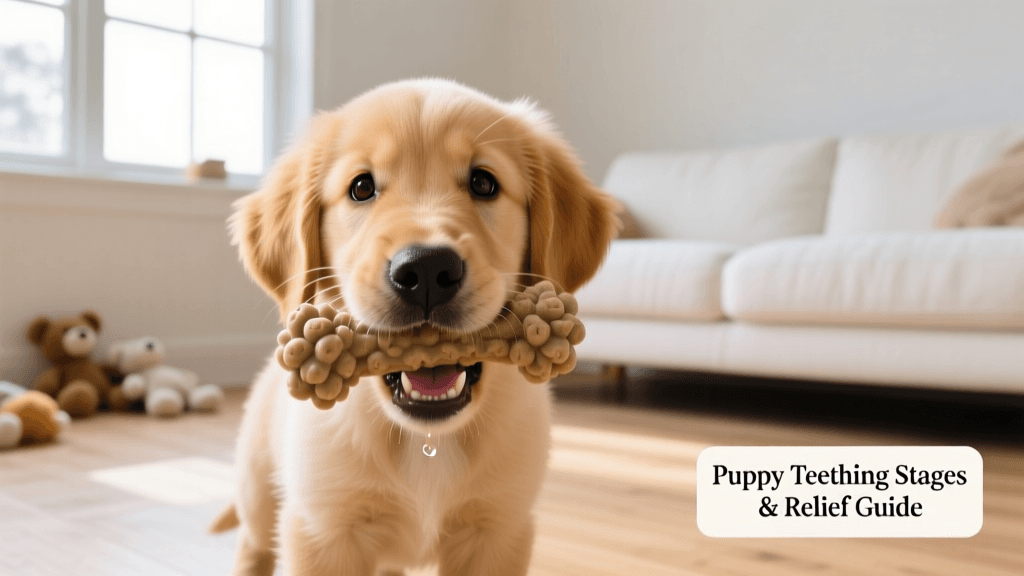
- For Biting and Teething: Puppies explore the world with their mouths, and between 12 and 16 weeks, their adult teeth begin pushing through their gums. Keep a KONG Classic Puppy Teething Ring (Cost: ~$12) stuffed with frozen plain pumpkin puree nearby. The moment teeth touch human skin, let out a high-pitched "Ouch!", disengage for 3 seconds, and offer the frozen KONG.
- For Jumping: Teach the "Four on the Floor" rule. When you enter the house, completely ignore the puppy (no eye contact, no talking) until all four paws are on the ground. The moment they are grounded, calmly drop a treat between their front paws to keep them anchored to the floor.
- Management Tools: Use a playpen or baby gates to prevent rehearsing bad habits when you cannot actively supervise. A SmartPetLove Snuggle Puppy Behavioral Aid Toy (Cost: ~$40) with a simulated heartbeat can also reduce the separation anxiety that often triggers destructive chewing and barking in the crate.
Myth 3: The Dog Park is the Best Place for Puppy Socialization
It is a common sight: a well-meaning owner tossing their 10-week-old puppy into an off-leash dog park, believing that the chaotic environment will help the puppy "learn how to be a dog." In reality, dog parks are highly unpredictable environments that can cause severe behavioral trauma during a puppy's critical fear periods.
The Fact: Dog Parks are Unpredictable and High-Risk
The American Animal Hospital Association (AAHA) warns that unstructured, unmonitored play can quickly turn into bullying or predatory drift, especially when a tiny puppy is mixed with large, high-drive adult dogs. Furthermore, from a medical standpoint, dog parks are hotspots for parasites like Giardia and intestinal worms, as well as viruses that can survive in the soil for months. A single traumatic encounter with an aggressive dog during the 8-to-10-week fear imprint period can result in lifelong leash reactivity and dog-to-dog aggression.
Actionable Advice: Structured, Safe Playdates
Socialization is about quality, not quantity. You want your puppy to learn that other dogs are calm and polite, not that they are chaotic and overwhelming.
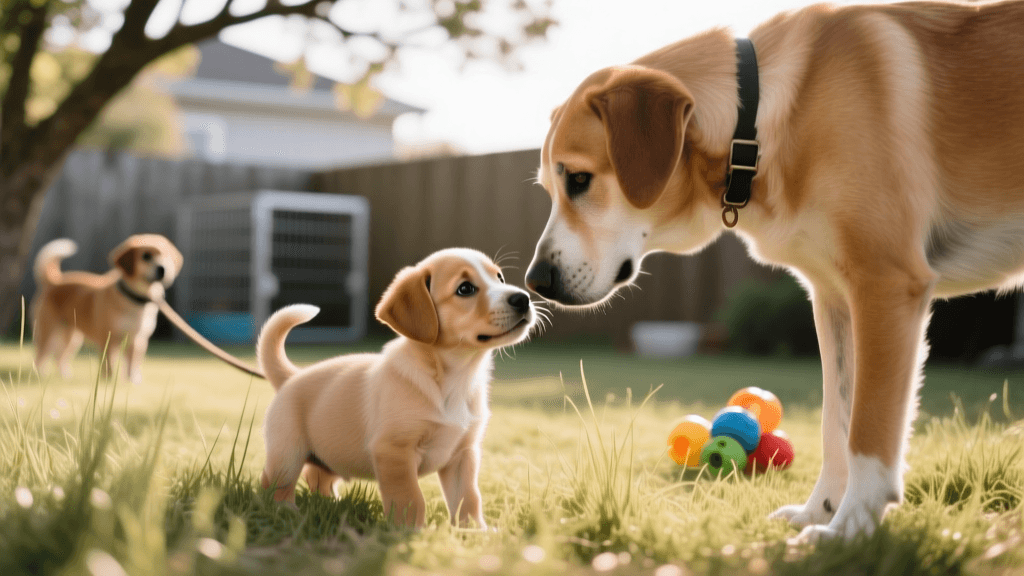
- Curated Playdates: Arrange one-on-one playdates in a private, fenced yard with adult dogs that you personally know to be gentle, fully vaccinated, and excellent communicators (dogs that will gently correct a puppy without causing harm).
- Sniffspot Rentals: If you do not have access to a private yard, consider renting a private dog park through apps like Sniffspot (Cost: ~$10-$15 per hour). This allows your puppy to explore novel scents and environments without the risk of encountering unknown, potentially aggressive dogs.
- Timing Limits: Keep puppy play sessions short. A good rule of thumb is 15 minutes of active play, followed by a mandatory 5-minute enforced nap in a crate or pen to prevent overtiredness, which often manifests as aggressive biting.
Quick Reference: Puppy Care Myths vs. Facts
| Common Puppy Myth | The Scientific Fact | Action to Take |
|---|---|---|
| Wait for all vaccines to socialize | The critical socialization window closes at 14-16 weeks, before vaccines finish. | Carry pup in public, use sanitized indoor classes. |
| Puppies outgrow biting and jumping | Behaviors that are rehearsed become permanent habits. | Redirect to chew toys immediately; reward four paws on the floor. |
| Dog parks are great for socialization | High risk of disease transmission and behavioral trauma from unknown dogs. | Arrange 1-on-1 playdates with known, gentle adult dogs. |
| Rubbing a puppy's nose in accidents helps potty train | This only teaches the puppy to fear you and hide when they need to eliminate. | Use enzymatic cleaners and reward heavily for outdoor elimination. |
Your First 90 Days: Actionable Socialization & Training Budget
Preparing for a puppy requires both time and financial investment. Below is a practical breakdown of the essential tools and activities you will need during the first three months to set your puppy up for success.
| Item / Activity | Estimated Cost | Timing / Frequency |
|---|---|---|
| Puppy Kindergarten Classes | $100 - $150 | Once a week (Weeks 9-14) |
| SmartPetLove Snuggle Puppy | $39.95 | Nighttime crate training (Weeks 8-12) |
| Nature's Miracle Enzymatic Cleaner | $12.49 | As needed for potty accidents |
| High-Value Training Treats | $8.00 | Daily (10-15 min training blocks) |
| Private Yard Rental (Sniffspot) | $15.00 | Bi-weekly for safe off-leash exploration |
Final Thoughts
Raising a well-adjusted, confident, and polite dog is not a matter of luck; it is the result of proactive, science-based parenting during the first year of life. By discarding outdated myths and embracing the facts about early socialization, behavioral rehearsal, and safe environmental exposure, you are giving your puppy the greatest possible start in life. Remember, every positive experience you curate during those first 16 weeks is an investment in a decade or more of companionship. Grab your treat pouch, head out into the world, and start building your puppy's confidence today.
anouk-beaumont
All our authors care for dogs every day — read more of their work on the authors page.