High vs Low Energy Puppies: A First Year Care Guide
Discover how to select the right puppy breed and manage first-year care, from potty training to socialization, based on energy levels.
The Foundation of Breed Selection and Energy Levels
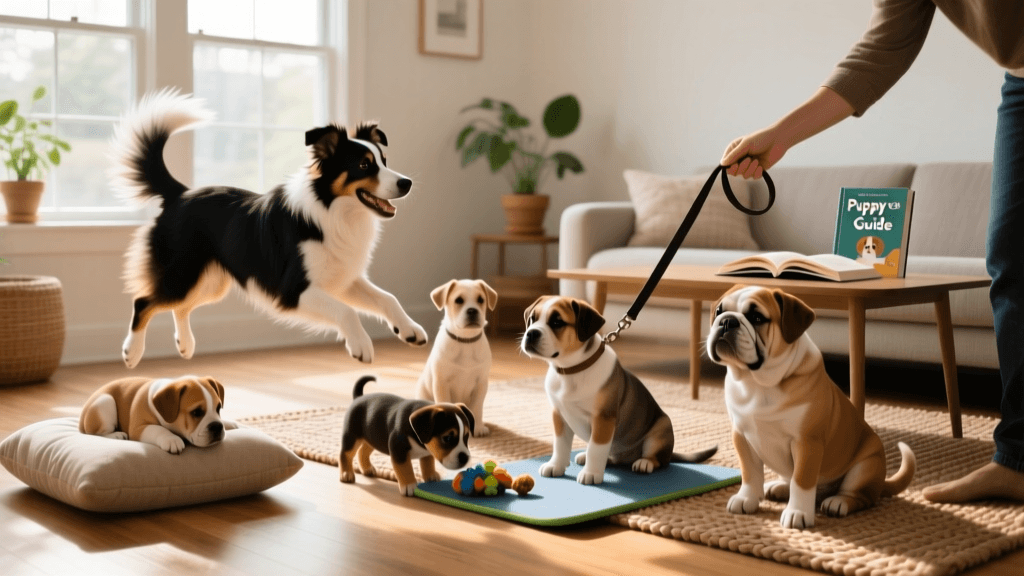
Welcoming a puppy into your home is one of the most rewarding experiences a dog lover can have, but it also marks the beginning of a demanding, year-long developmental journey. When prospective owners focus solely on a puppy's appearance or childhood nostalgia, they often overlook the most critical factor in long-term compatibility: inherent energy levels. The first year of a puppy's life is characterized by rapid physical growth, intense teething phases, crucial socialization windows, and the establishment of lifelong habits. How you manage these milestones depends heavily on whether you have selected a high-energy working breed or a low-energy companion breed.
High-energy breeds, such as Border Collies, Vizslas, and Jack Russell Terriers, were historically bred for endurance, herding, and hunting. Their first year requires rigorous mental stimulation, structured impulse control training, and extensive physical outlets. Conversely, low-energy breeds like Basset Hounds, Bulldogs, and Pugs were bred for companionship or short-burst tasks. Their first-year care revolves around joint protection, confidence building, and managing stubbornness. Understanding these fundamental differences is the key to surviving and thriving during your puppy's first twelve months.
High-Energy vs. Low-Energy Puppies: A First-Year Comparison
To visualize the distinct care requirements during the critical first year, review the comparison chart below. This data highlights how breed selection directly impacts your daily routine, financial investments, and training strategies.
| Trait | High-Energy Breeds (e.g., Border Collie, Labrador) | Low-Energy Breeds (e.g., Basset Hound, Bulldog) |
|---|---|---|
| Daily Exercise Needs (First Year) | Structured play, training, and sniffaris (up to 2 hours) | Short, gentle walks to protect developing joints (30-45 mins) |
| Potty Training Pace | Fast learning, but high metabolic frequency | Slower learning, lower frequency, higher stubbornness |
| Teething Destruction Level | Severe (shredding drywall, destroying furniture) | Mild to Moderate (gnawing on baseboards and shoes) |
| Socialization Focus | Impulse control, calming protocols, arousal management | Confidence building, gentle exposure, positive reinforcement |
| Estimated First-Year Gear Cost | $400 - $600 (Heavy-duty crates, puzzle toys, long lines) | $200 - $350 (Orthopedic beds, basic harnesses, chew toys) |
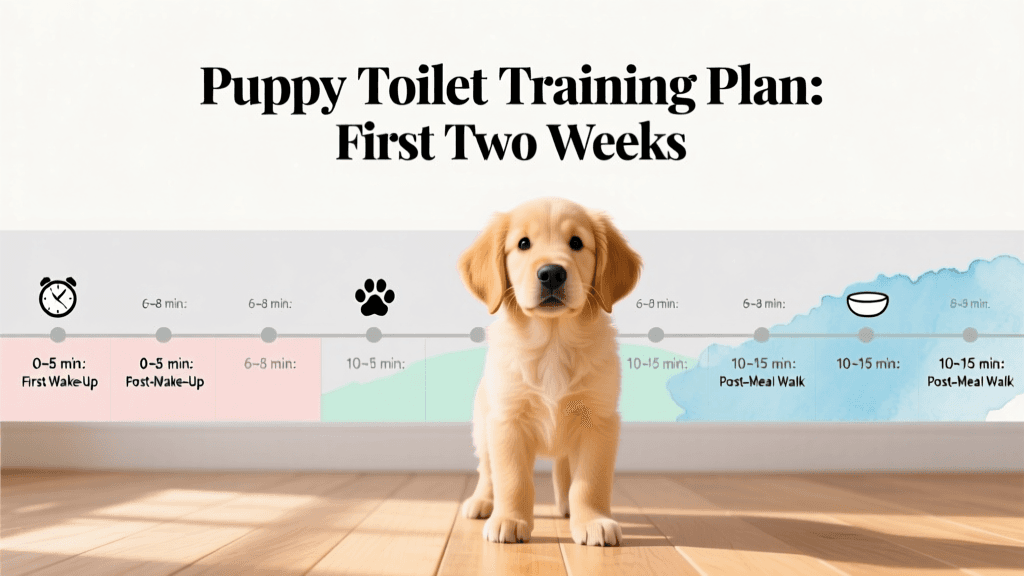
Potty Training Realities: Metabolism and Stubbornness
Potty training is universally cited as the most stressful aspect of early puppy care, but the challenges differ drastically based on your breed selection. A common rule of thumb is that a puppy can hold its bladder for one hour per month of age, plus one. Therefore, an eight-week-old puppy needs outdoor trips every two to three hours. However, high-energy breeds possess incredibly fast metabolisms. They process food and water rapidly, meaning they may need to eliminate even more frequently than the standard guidelines suggest. The advantage is that high-energy puppies are typically highly food-motivated and eager to please, making clicker training and treat-based reinforcement highly effective. Investing in a high-quality wire crate ($60 to $120) and an enzymatic cleaner like Nature's Miracle Advanced ($15 to $25) is non-negotiable for these active learners.
On the other hand, low-energy and hound breeds often present a different hurdle: stubbornness. A Basset Hound puppy may physically be able to hold its bladder but simply lacks the motivation to rush outside in the cold rain. For these breeds, potty training requires immense patience, high-value treats (like boiled chicken or freeze-dried liver), and a strict, unwavering schedule. According to the ASPCA, establishing a consistent routine and rewarding the puppy immediately after they eliminate outdoors is the most effective method for all breeds, but low-energy puppies may require a higher value reward to overcome their natural lethargy or distraction by scents.
Navigating the Teething Phase: Destruction vs. Discomfort
Puppy teething begins around three to four weeks of age when deciduous (baby) teeth emerge, and the most intense chewing phase peaks between four and six months as adult teeth push through the gums. During this window, your breed's energy level dictates the type of destruction you will face.
High-energy puppies do not just chew to soothe sore gums; they chew to expend nervous energy and boredom. If a working breed puppy is left alone without an outlet, they will dismantle baseboards, shred carpets, and destroy footwear. To survive this phase, you must provide heavy-duty, interactive chew toys. The KONG Classic (priced around $15 to $20) stuffed with frozen peanut butter and kibble is an essential tool. It provides both physical relief for the gums and the mental enrichment required to tire out a busy brain. Additionally, providing safe, edible chews like bully sticks under strict supervision can save your furniture.
Low-energy puppies experience the same dental discomfort but are less likely to turn chewing into a high-octane destructive spree. They may prefer to gnaw softly on a Nylabone or a damp, frozen washcloth. However, because brachycephalic (flat-faced) breeds like Bulldogs and Pugs have uniquely structured jaws, you must select teething toys that are appropriately sized to prevent choking hazards and avoid toys that are too hard, which could fracture their developing teeth.
Early Socialization: Managing Arousal and Fear
The American Kennel Club emphasizes that the critical socialization window for puppies occurs between 3 and 14 weeks of age. According to the American Kennel Club (AKC), proper exposure to various people, environments, sounds, and other animals during this period is vital for preventing behavioral issues later in life. However, the goal of socialization shifts depending on the puppy's baseline energy.
Socialization is not just about meeting as many dogs as possible; it is about teaching your puppy how to remain calm and confident in the presence of novel stimuli.
For high-energy breeds, socialization must heavily focus on impulse control and arousal management. A Labrador puppy might become overly excited, jumping and barking at every new person or dog. If not corrected, this excitement can morph into leash reactivity. Enrolling in a puppy kindergarten class ($100 to $200 for a six-week course) is crucial. Here, you will practice 'sit-to-greet' protocols and engage in structured play that is frequently interrupted to teach the puppy how to settle and calm down.
Conversely, low-energy and guardian breeds may be naturally more aloof, cautious, or prone to fearfulness. Their socialization must focus on confidence building. Forcing a timid Basset Hound into a chaotic dog park can cause fear-based aggression or shutdowns. Instead, socialization should involve quiet, positive exposures—sitting on a park bench watching the world go by while receiving high-value treats, or inviting calm, dog-savvy friends to your home to gently interact with the puppy.
Feeding Schedules and Caloric Requirements
Nutrition during the first year sets the foundation for your dog's skeletal and muscular development. Puppies require diets specifically formulated for growth, but the caloric density and feeding frequency must be tailored to their expected adult size and current energy expenditure.
High-energy, medium-to-large breed puppies burn through calories rapidly. From eight weeks to six months, they should be fed three to four measured meals a day to maintain stable blood sugar levels and support their active lifestyles. The AKC's nutritional guidelines suggest monitoring the puppy's body condition score closely; you should be able to feel their ribs without pressing hard, but not see them prominently. Because these puppies are highly active, you may need to feed them at the higher end of the recommended portion on your premium kibble bag (such as Purina Pro Plan or Royal Canin). At the six-month mark, you can transition to two meals a day.
Low-energy breeds, particularly those prone to obesity like Basset Hounds and Bulldogs, require strict portion control from day one. Overfeeding a low-energy puppy not only leads to early-onset obesity but also places catastrophic stress on their developing joints, exacerbating conditions like hip dysplasia. These puppies should be fed exactly the recommended amount for their target adult weight, divided into three meals a day until they reach six months. Furthermore, because low-energy puppies are less active, their treat intake during training must be factored into their daily caloric limit to prevent excessive weight gain during the first year.
Conclusion: Setting Your Puppy Up for Success
Selecting a puppy based on an honest assessment of your lifestyle and energy levels is the greatest act of love you can offer your future dog. The first year of puppy care is an investment of time, money, and emotional bandwidth. By understanding whether your puppy requires the high-octane management of a working breed or the patient, joint-conscious rearing of a companion breed, you can tailor your potty training, teething management, socialization, and feeding protocols accordingly. Equip yourself with the right tools, rely on authoritative veterinary and organizational guidelines, and embrace the beautiful, chaotic journey of your puppy's first year.
robin-maitland
All our authors care for dogs every day — read more of their work on the authors page.