The 1-2-3 Pattern Game for Leash Reactivity: 2026 Guide
Master the 1-2-3 Pattern Game to reduce leash reactivity in anxious dogs. Learn threshold management, treat timing, and 2026 gear recommendations.
Understanding Leash Reactivity and Canine Anxiety in 2026
Leash reactivity remains one of the most pervasive and stressful behavioral challenges for dog owners in 2026. Whether your dog is lunging, barking, or freezing at the sight of other dogs, strangers, or unfamiliar stimuli, the underlying emotion is almost always rooted in anxiety, fear, or frustration. Modern veterinary behaviorists emphasize that reactivity is not a display of dominance or stubbornness, but rather a panicked response from a canine nervous system that feels trapped by the physical constraint of a leash. When a dog cannot perform their natural flight response, they default to a fight-or-bluster response to increase the distance between themselves and the perceived threat.
Managing a reactive dog requires more than just physical restraint; it requires a fundamental shift in how the dog perceives their environment. According to the American Veterinary Society of Animal Behavior (AVSAB), the use of positive reinforcement and desensitization techniques is the gold standard for treating canine anxiety and reactivity. Punitive measures or corrective equipment only suppress the outward symptoms while increasing the dog's internal stress and negative associations. To truly rehabilitate a reactive dog, we must change their emotional response through predictable, game-based counter-conditioning.
The Neurobiology of the 1-2-3 Pattern Game
Developed by renowned canine behavior expert Leslie McDevitt and detailed in her seminal Control Unleashed program, the 1-2-3 Pattern Game is a deceptively simple yet profoundly effective tool for anxious dogs. The game leverages the canine brain's craving for predictability. When a dog is anxious, their amygdala (the brain's fear center) is hyperactive, and cortisol levels are elevated. Predictable patterns act as a neurological anchor, signaling to the dog's brain that the environment is safe and that a known sequence of events will lead to a positive outcome.
By counting out loud in a rhythmic, soothing voice and delivering a treat at the exact same point in the sequence, you create a classical conditioning loop. The number "Three" becomes a conditioned stimulus that predicts food. Once this pattern is ingrained, you can use it in the presence of a trigger (like another dog) to keep your reactive dog engaged, below their anxiety threshold, and focused on the predictable rhythm rather than the unpredictable environment.
Step-by-Step Guide to the 1-2-3 Pattern Game
To successfully implement this protocol in 2026, you must follow a strict progression. Do not rush the steps, as pushing a dog over their threshold will reinforce the reactive neural pathways rather than building new, calm ones.
Step 1: Establish the Baseline Rhythm
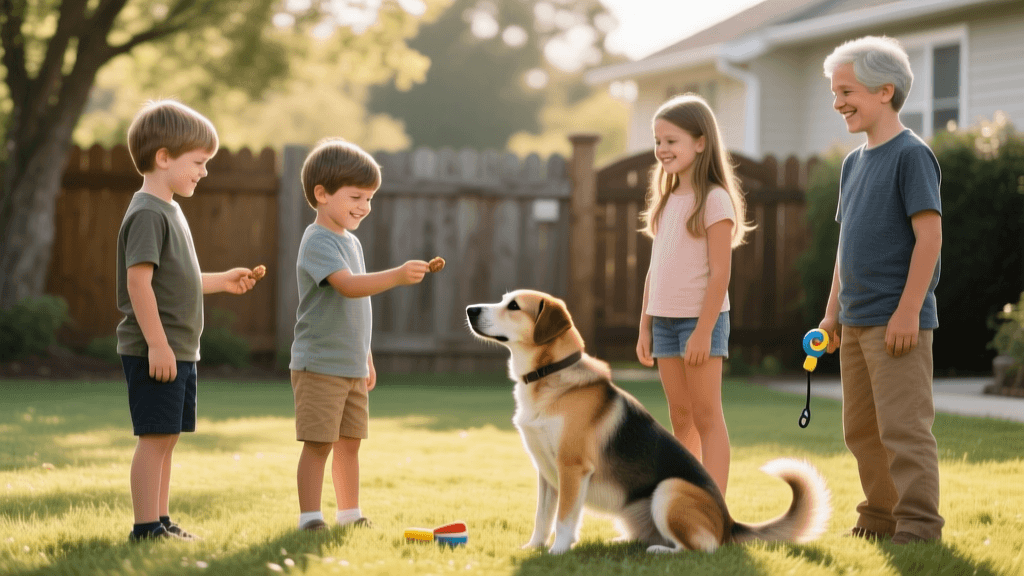
Begin in a completely boring, low-distraction environment, such as your living room or a quiet, fenced backyard. Stand with your dog on a loose leash. In a calm, cheerful, and rhythmic voice, say "One." Wait exactly one second. Say "Two." Wait exactly one second. Say "Three." On "Three," immediately place a high-value treat on the ground near your dog's front paws. Do not hand the treat to them; placing it on the ground encourages sniffing, which naturally lowers a dog's heart rate and promotes a calming parasympathetic nervous system response. Repeat this sequence 10 to 15 times until your dog begins to anticipate the treat on the ground the moment they hear "Three."
Step 2: Introduce the Trigger at Sub-Threshold
Once the baseline rhythm is established, move to an environment where you can control the distance to your dog's trigger. For example, sit on a park bench 100 feet away from a walking path. When a trigger (a person or another dog) appears in the distance, immediately begin the pattern game. "One, two, three," treat on the ground. The goal is not to ask your dog to look at you or perform a command. The goal is simply to provide a predictable, safe pattern while the trigger exists in the environment. If your dog is too stressed to eat the treat, you are too close to the trigger, and you must increase your distance immediately.
Step 3: The Reset and Disengagement
After three to five successful repetitions of the pattern game while the trigger is present, toss a handful of treats into the grass away from the trigger to initiate a "sniffy reset." This gives your dog a functional way to disengage from the environment and self-soothe. Once the trigger has passed or moved out of sight, you can stop the game and resume your normal walk. This teaches the dog that the appearance of a trigger predicts a fun, predictable game and a subsequent release of pressure.
Threshold Management Chart: Reading Your Dog's Body Language
Success in reactivity training hinges entirely on threshold management. If your dog crosses the threshold from "aware" to "reactive," learning stops, and survival instincts take over. Use the following chart to assess your dog's state in real-time and determine your next action.
| Zone | Distance to Trigger | Canine Body Language | Eating Ability | Required Handler Action |
|---|---|---|---|---|
| Green (Under Threshold) | Far (e.g., 100+ ft) | Loose body, soft eyes, relaxed tail, sniffing | Takes treats gently and eagerly | Begin 1-2-3 Pattern Game. Praise calmly. |
| Yellow (Approaching Threshold) | Medium (e.g., 50 ft) | Stiffening, ears pinned forward, closed mouth, staring | Takes treats harder, slight hesitation | Increase treat value. Toss treats away from trigger to break focus. Increase distance. |
| Red (Over Threshold) | Close (e.g., 20 ft) | Whale eye, piloerection (hackles), lunging, barking | Refuses food, spits out treats | Do not train. Perform an emergency U-turn. Increase distance until the dog can eat again. |
Essential 2026 Gear for Reactive Dog Training
Having the right equipment is critical for safety and effective treat delivery. The ASPCA Virtual Pet Behaviorist resources consistently highlight that proper gear reduces handler anxiety, which in turn keeps the dog calm. Here are the top recommendations for 2026.
Harnesses and Leashes
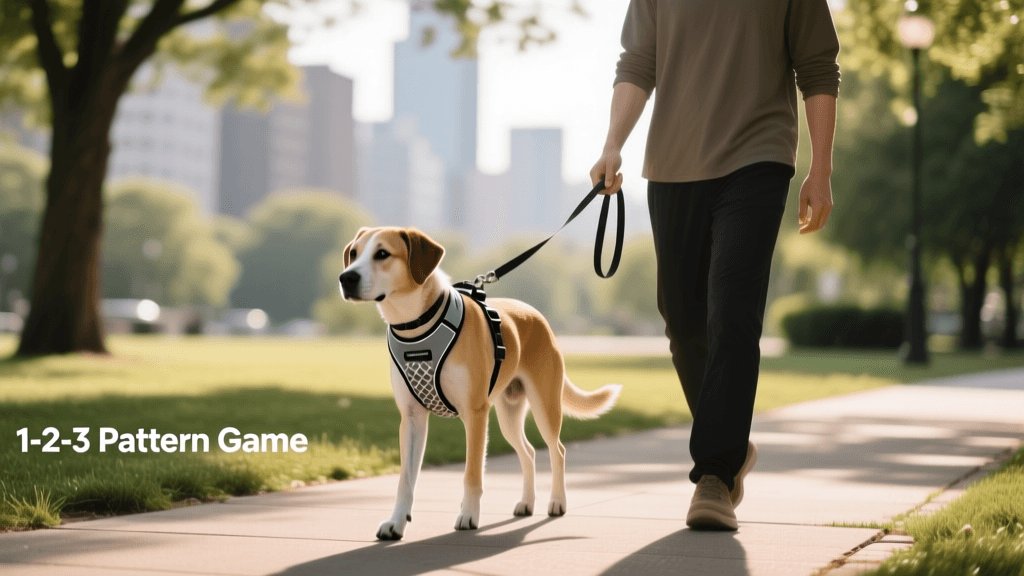
For reactive dogs, avoid neck collars entirely, as pressure on the trachea can increase physiological stress and trigger aggression. The Ruffwear Front Range Harness (retailing around $45-$55 in 2026) remains a top choice due to its dual leash attachment points. Using a front-clip attachment gives you gentle steering control if your dog lunges, without causing pain. Pair this with a 6-foot biothane leash. Biothane is waterproof, easy to clean of treat residue, and provides a secure, non-slip grip, which is essential when managing sudden bursts of energy.
High-Value Reinforcers and Delivery Systems
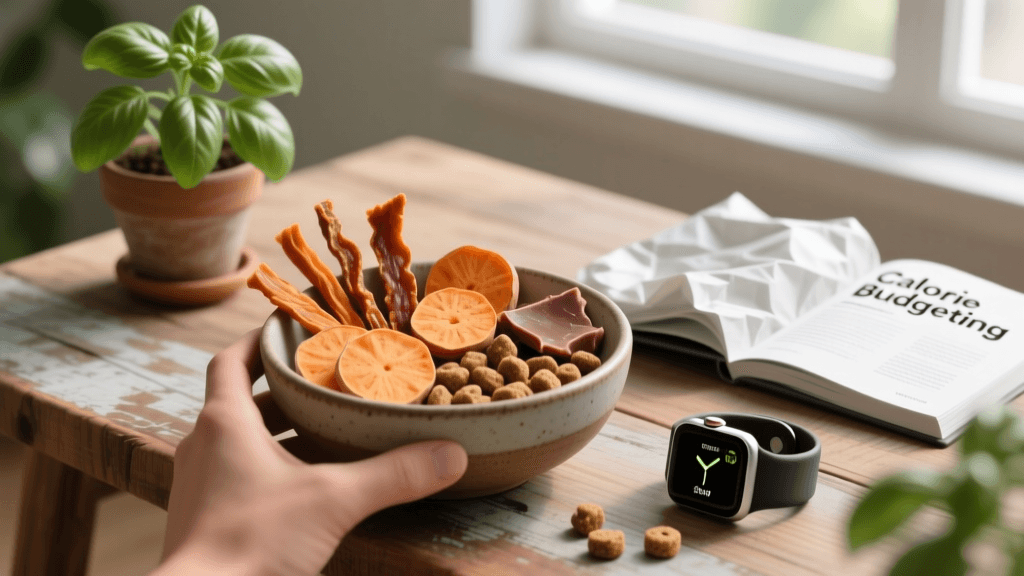
In 2026, the trend in high-value training treats has shifted toward single-ingredient, freeze-dried raw toppers that offer intense olfactory stimulation. Brands like Ziwi Peak or Stella & Chewy's freeze-dried minces (averaging $35-$45 per bag) are excellent for keeping a reactive dog's attention in high-distraction environments. To deliver these quickly and without fumbling, invest in a magnetic-closure treat pouch like the DoggyPouch Magna-Matic. The silent magnetic closure prevents the loud "velcro rip" sound that can startle an already anxious dog and inadvertently alert them to the presence of food, which can cause frustration-based reactivity.
Safety Backup: GPS Tracking
Reactive dogs are at a higher risk of slipping their gear during a panic-induced flight response. As a mandatory safety backup in 2026, equip your dog with a lightweight GPS collar, such as the latest Fi Series 4 or Tractive 2026 Edition. These devices offer real-time location tracking and escape alerts, providing peace of mind for owners of high-flight-risk anxious dogs.
Troubleshooting Common Challenges
My dog won't eat the treats on the ground.
If your dog refuses to eat, they are over threshold. The digestive system shuts down during a sympathetic nervous system "fight or flight" response. Do not force the issue or repeat the counting louder. Simply increase your distance from the trigger by 20 to 30 feet and try again with a higher-value treat, such as real roasted chicken or beef liver.
My dog is grabbing the treat from my hand instead of the ground.
This indicates a lack of impulse control or high frustration. To fix this, place your hand over the treat on the ground for a split second before releasing it, or toss the treat slightly behind your dog's front paws to encourage them to lower their head and shift their weight backward, which is a biomechanically calming posture.
What if the trigger approaches us unexpectedly?
If an off-leash dog or a fast-moving cyclist breaches your safe distance, abandon the pattern game immediately. Perform a "treat scatter" by throwing a large handful of high-value treats directly into the grass or bushes away from the approaching trigger. This engages your dog's natural foraging instinct, keeps their head down, and provides a positive distraction while you advocate for your dog's space and ask the approaching party to stop.
Conclusion
Rehabilitating a leash-reactive and anxious dog is a marathon, not a sprint. The 1-2-3 Pattern Game is a powerful tool because it removes the pressure of obedience commands and replaces it with the comforting rhythm of predictability. By meticulously managing your dog's threshold, utilizing modern 2026 training gear, and prioritizing their emotional state over their physical compliance, you can slowly rewire your dog's brain to associate the sights and sounds of the outside world with safety and positive outcomes. Consistency, patience, and a deep understanding of canine body language will ultimately transform your stressful walks into enjoyable bonding experiences.
beth-carrasco
All our authors care for dogs every day — read more of their work on the authors page.