Fueling Focus: Healthy Training Treats and Bloat Prevention for Dogs
Learn how to use high-value training treats without causing obesity or bloat. Discover calorie budgeting, safe timing, and top healthy treat options.
Positive reinforcement is the gold standard in canine behavioral conditioning, obedience training, and trick teaching. However, a heavy reliance on food rewards creates a hidden dilemma for dog owners: how do you maintain your dog’s motivation without compromising their physical health? The intersection of dog training and canine nutrition is a critical deep dive that every dedicated handler must understand. Overfeeding during training sessions is a primary driver of canine obesity, while improper timing of meals and rigorous training can trigger life-threatening gastrointestinal emergencies.
The Calorie Conundrum: Obesity and the 10% Rule
When teaching complex tricks or reinforcing high-level obedience, it is easy to lose track of how many treats your dog has consumed. According to the Association for Pet Obesity Prevention (APOP), over 50% of dogs in the United States are classified as overweight or obese. Excess weight puts severe strain on a dog's joints, exacerbates arthritis, and shortens their lifespan.
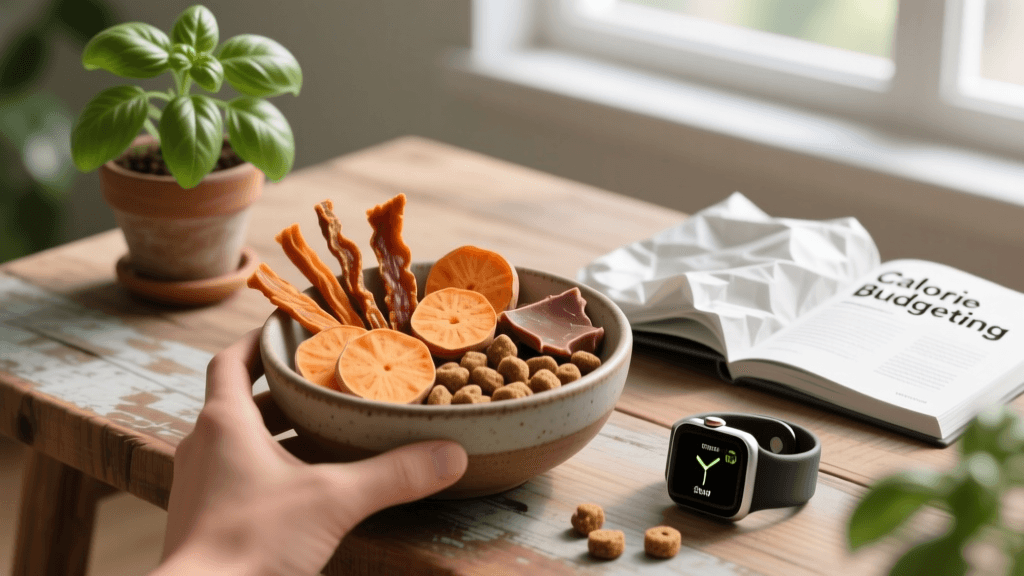
Veterinary nutritionists universally recommend the 10% Rule: treats and training rewards should never constitute more than 10% of your dog’s total daily caloric intake. The remaining 90% must come from a complete and balanced diet. For a typical 50-pound active dog requiring 1,000 calories a day, your entire training treat budget is a mere 100 calories. If you are using standard milk-bone biscuits (approx. 40 calories each), your budget is exhausted after just two or three rewards. This is why understanding caloric density and utilizing micro-treats is essential for effective, health-conscious training.
Gastric Dilatation-Volvulus (GDV): The Danger of Training on a Full Stomach
Beyond caloric intake, the timing of your training sessions in relation to your dog's meals is a matter of life and death, particularly for large and giant breed dogs. Gastric Dilatation-Volvulus (GDV), commonly known as bloat, occurs when a dog's stomach fills with gas and twists upon itself. Vigorous exercise, rapid ingestion of food, and high-stress training immediately after eating are major risk factors.
The American Kennel Club (AKC) explicitly warns against vigorous exercise or intense training immediately before or after eating. To safely balance nutrition and behavioral conditioning, adhere to these strict timing protocols:
- Post-Meal Training: Wait a minimum of 1.5 to 2 hours after your dog eats before engaging in high-energy obedience, agility, or fetch-based training.
- Post-Training Feeding: Wait at least 30 to 60 minutes after an intense training session before offering a full meal, allowing the dog's heart rate and core temperature to normalize.
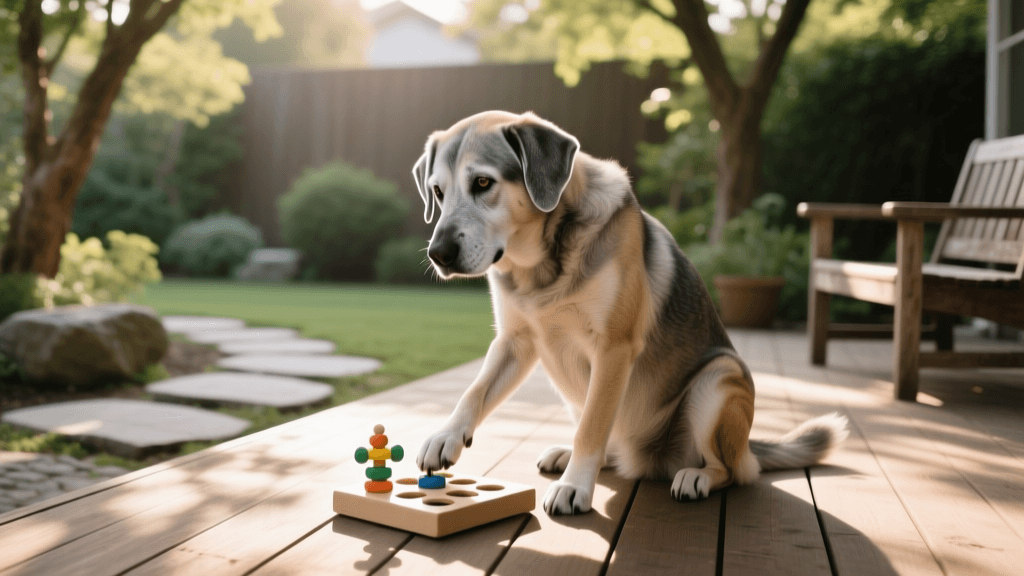
- Safe Alternatives: If you must train within an hour of a meal, stick to low-impact mental enrichment. Scent work, puzzle toys, and gentle trick shaping (like 'touch' or 'spin') stimulate the brain without jolting the stomach.
Nutritional Breakdown: Choosing the Right Training Treats
Not all rewards are created equal. To optimize your training sessions while respecting your dog's caloric budget, you must categorize your treats by value and nutritional profile. Below is a comparison chart to help you select the right reward for the right scenario.
| Treat Category | Example Product | Calories/Piece | Best Training Use Case | Est. Cost/Oz |
|---|---|---|---|---|
| Regular Kibble | Dog's Daily Diet | 3-5 kcal | Basic obedience, low distraction environments, lure shaping. | $ |
| Soft Commercial | Zuke's Mini Naturals | 2-3 kcal | Rapid repetition, clicker training, agility course rewards. | $$ |
| Freeze-Dried | Stella & Chewy's Duck | 4-6 kcal | High distraction recall, emergency 'drop it', fear conditioning. | $$$ |
| Fresh Veggies | Green Beans / Carrots | 1-2 kcal | Volume feeding, weight loss programs, repetitive trick drilling. | $ |
Actionable Strategies for the Health-Conscious Trainer
Implementing a health-first approach to training requires preparation and strategy. Here are three actionable methods to maximize your dog's focus while minimizing caloric intake and digestive risks.
1. The Daily Deduction Method
Never feed training treats on top of your dog’s regular meals. Instead, measure out your dog’s total daily kibble allowance in the morning. Remove 10% of that kibble and place it in a dedicated training pouch. Use their own nutritionally balanced kibble for basic obedience and low-distraction environments. This guarantees you never accidentally overfeed your dog, regardless of how long your training session lasts.
2. The Lick Mat Technique for Desensitization
When working on behavioral conditioning for anxiety, grooming tolerance, or crate training, continuous treat delivery is necessary. Instead of high-calorie snacks, use a textured silicone lick mat smeared with low-calorie, dog-safe spreads. Plain canned pumpkin puree (not pie filling), non-fat plain Greek yogurt, or blended green beans provide high-value mental engagement and soothe the canine nervous system through the act of licking, all for under 15 calories per session.
3. Variable Reinforcement Schedules
Once a behavior is learned, transition from a continuous reinforcement schedule (rewarding every single 'sit') to a variable ratio schedule. Reward the behavior randomly—perhaps every third or fifth time—and substitute food rewards with life rewards (e.g., releasing the leash to sniff a tree, throwing a toy, or offering enthusiastic verbal praise). This maintains high behavioral drive while drastically cutting treat consumption.
Navigating Food Allergies and Sensitive GI Tracts
Training a dog with food allergies or inflammatory bowel disease (IBD) requires meticulous ingredient tracking. According to experts at the Tufts University Cummings Veterinary Medical Center, true food allergies in dogs are most commonly triggered by animal proteins like beef, chicken, and dairy, rather than grains. If your dog suffers from chronic ear infections, paw licking, or GI upset during training, you must audit your treat pouch.
Switch to novel protein treats for high-value rewards. Freeze-dried rabbit, venison, or alligator bites offer intense palatability for stubborn recall training without triggering common allergic pathways. Always read the ingredient label on commercial soft treats; many 'peanut butter' or 'liver' flavored training treats use chicken fat or wheat flour as a base filler, which can derail a strict elimination diet.
Sample Training Diet Protocol for a 50lb Active Dog
To visualize how nutrition and training safely coexist, consider this daily schedule for a 50-pound dog requiring 900 calories daily:
- 7:00 AM: Breakfast (1 cup kibble, approx. 400 kcal).
- 9:30 AM: High-energy agility and obedience training. (Reward: 10 pieces of Zuke's Mini Naturals, approx. 25 kcal. Stomach has safely emptied).
- 12:00 PM: Mental enrichment. (Snuffle mat loaded with 1/4 cup reserved morning kibble).
- 5:00 PM: Recall training in a high-distraction park. (Reward: 5 pieces of freeze-dried novel protein, approx. 25 kcal).
- 7:00 PM: Dinner (Scant 1 cup kibble to account for the 50 kcal consumed during training, approx. 350 kcal).
- 8:00 PM: Cool down and gentle trick shaping. (Reward: Verbal praise, physical petting, and 2 baby carrots, approx. 4 kcal).
Trainer's Note: Hydration is just as critical as caloric management. High-protein training treats and freeze-dried rewards require increased water intake to aid digestion. Always carry a collapsible travel bowl and fresh water during outdoor training sessions to prevent dehydration and support optimal kidney function.
Conclusion
Effective dog training should never come at the expense of your dog's long-term health. By strictly adhering to the 10% calorie rule, respecting the biological timelines of canine digestion to prevent bloat, and strategically utilizing novel proteins and low-calorie alternatives, you can build a highly motivated, obedient dog without compromising their physical well-being. Remember that the ultimate goal of behavioral conditioning is to build a trusting, healthy partnership between you and your dog—a partnership that thrives both in the training field and at the food bowl.
robin-maitland
All our authors care for dogs every day — read more of their work on the authors page.