A Comprehensive Guide to Kids Training Dogs at Home
Learn how to safely involve children in dog training. Discover age-appropriate commands, safety rules, and fun exercises for kids and family dogs.

Why Involve Kids in Dog Training?
Bringing a dog into a household with children is a rewarding experience, but it requires careful management and education. When children are actively and safely involved in dog training, it fosters a deep bond built on mutual respect and clear communication. However, handing a toddler a bag of treats and expecting them to teach a Golden Retriever to sit is a recipe for frustration and potential injury. As parents, your role is to act as the bridge between your child's enthusiasm and your dog's understanding. This comprehensive guide will walk you through the safest, most effective ways to involve your kids in family dog training, ensuring both your child and your pup set each other up for success.
Involving children in the training process goes far beyond simply teaching the dog a few parlor tricks. According to the ASPCA's guidelines on dog bite prevention, educating children on how to properly interact with and train dogs is one of the most effective ways to prevent accidental bites and behavioral issues. When kids understand the 'why' and 'how' behind a dog's actions, they develop empathy and situational awareness.
Furthermore, dogs thrive on consistency. If only the adults train the dog, the canine may learn to obey mom and dad but completely ignore the kids. By making training a family affair, you establish a unified pack structure where the dog learns to respect and respond to every member of the household, regardless of their size or age.
Setting the Ground Rules for Safety
Before any treats are dispensed or clickers are clicked, you must establish strict safety protocols. Children, especially those under the age of ten, can be unpredictable. Dogs, in turn, can easily become overstimulated.
- Rule 1: The 'Two-Foot' Leash Rule. When children are handling the leash, always use a standard 4-foot leash, never a retractable one. Retractable leashes can cause severe rope burns and offer zero control if the dog lunges.
- Rule 2: No Training When Overstimulated. If the kids are running around screaming, or if the dog has just come back from a highly stimulating walk, pause the session. Training requires a calm, focused mind for both the human and the canine.
- Rule 3: The 'Tree' Protocol. Teach your children that if the dog jumps on them or gets too mouthy during a session, they must immediately 'be a tree'—stand perfectly still, fold their arms, and look up at the ceiling. This removes the reinforcement of attention and usually causes the dog to back off.
Age-Appropriate Training Tasks for Children
Not all training exercises are suitable for all ages. A teenager can handle complex behavioral conditioning, while a preschooler should stick to basic, low-stakes participation. Below is a structured breakdown of how to assign training roles based on your child's developmental stage.
| Child's Age Group | Appropriate Training Tasks | Required Supervision Level |
|---|---|---|
| Toddlers (Ages 2-4) | Dropping treats into a Kong toy, tossing treats on the floor after an adult gives the command. | Direct, hands-on adult physical guidance at all times. |
| Young Kids (Ages 5-8) | Holding the treat pouch, clicking the clicker on cue, practicing the 'Touch' command with an open palm. | Active adult supervision; adult holds the leash and manages the environment. |
| Pre-Teens (Ages 9-12) | Leading basic obedience (Sit, Down, Stay), practicing loose-leash walking in low-distraction areas. | Visual supervision; adult is present in the room to intervene if the dog pulls or ignores commands. |
| Teenagers (Ages 13+) | Advanced trick training, agility handling, managing feeding schedules and independent walk routines. | Periodic check-ins; teen can handle the dog independently in secure, fenced environments. |
Step-by-Step: Teaching the 'Touch' Command Together
The 'Touch' command (where the dog boops its nose against the child's hand) is arguably the best foundational exercise for kids. It keeps the dog's mouth away from the child's fingers and builds confidence.
- Step 1: Prep the Treats. Use high-value, low-calorie treats like Zuke's Mini Naturals (which cost around $6 for a 6 oz bag and are the perfect pea-size). Have your child hold the treat pouch on their hip.
- Step 2: The Presentation. Have your child hold out their flat palm, about two inches from the dog's nose. Say the cue word 'Touch' clearly.
- Step 3: The Mark and Reward. The moment the dog's nose makes contact with the palm, the child (or the parent, if the child is too young to multitask) clicks the clicker or says 'Yes!' The child then feeds the treat from their other hand or tosses it on the floor.
- Step 4: Repetition and Timing. Keep sessions incredibly short. Three to five minutes is the maximum for young children and dogs alike. End on a positive note with a fun game of tug using a durable toy like the Kong Classic (Red).
Managing the Environment and Equipment
Success in family dog training relies heavily on the tools you use. Investing in the right gear prevents accidents and makes the process smoother for small hands.
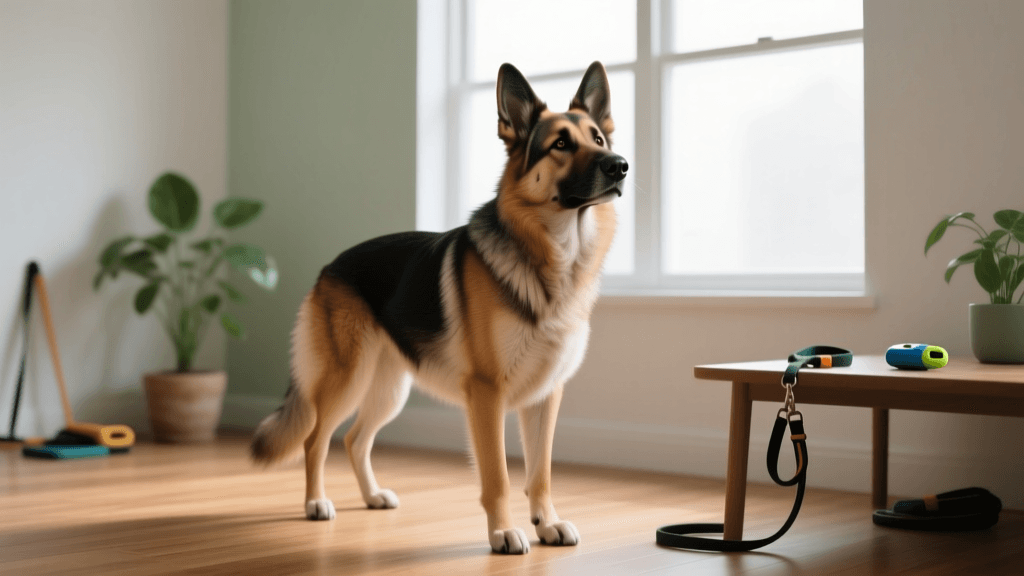
- The Leash: Avoid chain or thin nylon leashes. Opt for a 4-foot or 6-foot Biothane leash. Biothane is waterproof, easy to clean if the dog drops it in a puddle, and provides an excellent grip that will not slip through a child's sweaty palms.
- The Treat Pouch: A magnetic-closure treat pouch (like the Outward Hound Treat Pouch) is ideal. It allows kids to quickly access rewards without fumbling with zippers or drawstrings, which can ruin the timing of the reinforcement.
- The Clicker: The i-Click by Karen Pryor is a quiet, button-style clicker. Traditional box clickers can be loud and startle sensitive dogs, and the button style is much easier for small fingers to press.
Recognizing Canine Stress Signals
The most critical skill you can teach your children is how to read a dog's body language. Dogs rarely bite 'out of nowhere.' According to the Centers for Disease Control and Prevention (CDC), understanding animal behavior and recognizing warning signs are fundamental pillars of bite prevention. Teach your kids to look out for these subtle signs of canine stress:
- Whale Eye: When the dog turns its head away but keeps its eyes fixed on the child, showing the whites of its eyes.
- Lip Licking and Yawning: If the dog is not eating or tired, frequent lip licking or exaggerated yawning is a calming signal indicating discomfort.
- Stiff Body Posture: A relaxed dog has a loose, wiggly body. A dog that suddenly freezes or becomes rigid needs immediate space.
- Pinned Ears and Tucked Tail: Classic signs of fear or anxiety.
If your child notices any of these signals, they should immediately stop the training session and give the dog a break in their crate or a quiet room. The American Veterinary Medical Association (AVMA) emphasizes that giving dogs a safe retreat space is vital for maintaining a harmonious household.
Creating a Family Training Schedule
Consistency is the bedrock of canine behavioral conditioning. Dogs thrive on routine, and children benefit from structured responsibilities. Creating a visual training schedule on your refrigerator can help manage expectations and ensure the dog is not overwhelmed by sporadic, hour-long sessions.
Aim for 'micro-sessions' scattered throughout the day. For example:
- Morning (7:00 AM): Pre-teens can practice a 3-minute 'Sit' and 'Stay' drill while waiting for the school bus.
- Afternoon (3:30 PM): Young kids can practice the 'Touch' command right after school when the dog is greeting them at the door.
- Evening (6:00 PM): Toddlers can assist in tossing kibble into a snuffle mat or Kong toy before dinner, reinforcing the concept that calm behavior earns rewards.
By breaking training down into bite-sized, manageable chunks, you prevent burnout for both the children and the dog. This approach also seamlessly integrates obedience work into your family's daily rhythm, making it feel like a natural part of life rather than a tedious homework assignment.
Conclusion
Training a dog with your children is a journey that requires patience, preparation, and a lot of positive reinforcement—for both the kids and the pup. By setting clear boundaries, using age-appropriate tasks, and equipping your family with the right tools, you transform training from a chore into a bonding experience. Remember that the ultimate goal is not just a perfectly obedient dog, but a safe, empathetic, and loving relationship between your child and their four-legged best friend. Start small, celebrate the little victories, and always prioritize safety and mutual respect.
hannah-wickes
All our authors care for dogs every day — read more of their work on the authors page.