Diagnosing and Treating Dog Ear Infections: Full Guide
Learn how to diagnose dog ear infections, identify underlying causes, and apply effective treatments. Practical tips, costs, and vet-approved solutions.
The Problem: Understanding Canine Otitis Externa
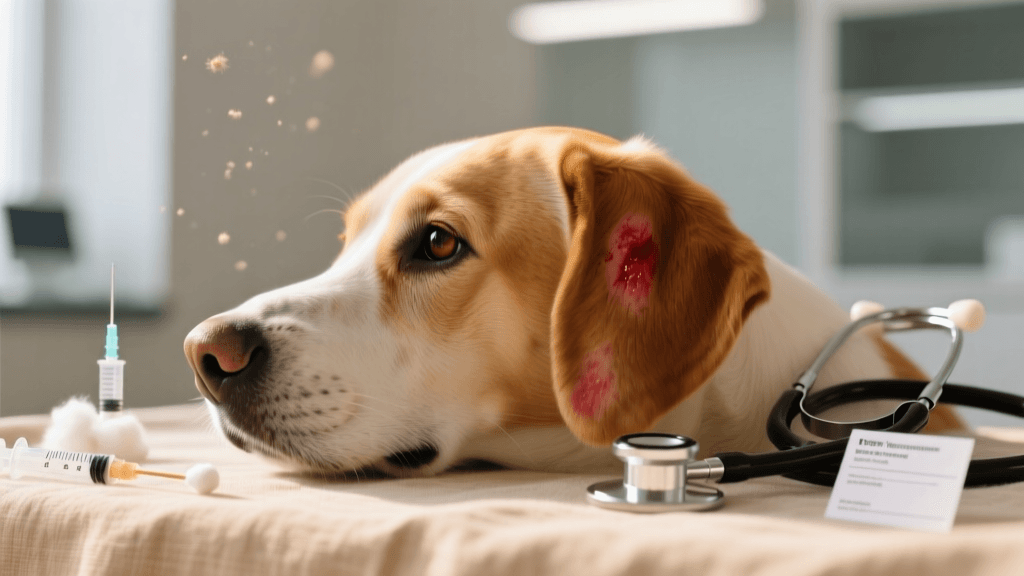
Ear infections, clinically known as otitis externa, are among the most common and frustrating health issues faced by dog owners. The canine ear canal is uniquely shaped like an 'L', with a vertical canal that drops down and a horizontal canal that leads to the eardrum. This anatomical structure traps debris, moisture, and microorganisms, creating an ideal breeding ground for bacteria and yeast. When left untreated, a simple outer ear infection can progress to otitis media (middle ear) or otitis interna (inner ear), leading to severe pain, neurological deficits, and costly surgical interventions. Understanding how to diagnose the early signs and implement targeted solutions is critical for your dog's health and wellbeing.
How to Diagnose a Dog Ear Infection at Home
Before rushing to the veterinarian, it is important to observe your dog's behavior and physically inspect the ear. While a definitive diagnosis requires veterinary cytology, you can identify a high probability of an ear infection by looking for the following clinical signs:
- Excessive Scratching and Pawing: Your dog may aggressively scratch at the base of the ear or rub their head against furniture and carpets.
- Head Shaking and Tilting: Frequent, violent head shaking is a primary indicator of canal irritation. A persistent head tilt may indicate the infection has reached the middle or inner ear.
- Odor: A distinct, foul, or 'yeasty' smell (often compared to corn chips or stale bread) emanating from the ear flap.
- Visible Discharge: Look for brown, yellow, or black waxy buildup, or dark crusty material resembling coffee grounds (often indicative of ear mites or severe yeast overgrowth).
- Erythema and Edema: The inner pinna (ear flap) and canal opening will appear red, swollen, and warm to the touch.
- Pain Response: Your dog may yelp, pull away, or become aggressive when you attempt to touch or pet their head.
Identifying the Root Cause: Why Is This Happening?
Treating the infection is only half the battle; diagnosing the underlying trigger is essential to prevent recurrence. According to the Merck Veterinary Manual, otitis externa is rarely a primary disease. Instead, it is usually secondary to an underlying condition.
1. Environmental and Food Allergies
Allergies are the single most common underlying cause of recurrent ear infections, accounting for up to 80% of chronic cases. Dogs with atopic dermatitis (environmental allergies to pollen, dust mites, or mold) or food protein allergies experience systemic inflammation that manifests heavily in the ear canals.
2. Moisture and Anatomy
Breeds with pendulous (floppy) ears, such as Cocker Spaniels, Basset Hounds, and Golden Retrievers, lack adequate airflow to the canal. When combined with frequent swimming or bathing, the trapped moisture alters the ear's natural pH, allowing Malassezia (yeast) and Pseudomonas (bacteria) to proliferate rapidly.
3. Foreign Bodies and Parasites
Foxtails, grass awns, and dirt can become lodged in the horizontal canal. Additionally, Otodectes cynotis (ear mites) are a common primary cause in puppies, though less common in adult dogs.
Veterinary Diagnosis and Medical Solutions
A veterinarian will perform an otoscopic exam to ensure the eardrum is intact before prescribing medication. They will also take a swab for cytology, examining it under a microscope to determine if the infection is bacterial, fungal (yeast), or mixed. Based on the diagnosis, they will prescribe targeted therapies. Below is a comparison of common veterinary-recommended ear cleansers and treatments, including estimated costs to help you budget for your dog's care.
| Product Name | Type | Primary Use Case | Estimated Cost |
|---|---|---|---|
| Virbac Epi-Otic Advanced | Ear Cleanser | Routine maintenance, drying, mild debris removal | $18 - $25 |
| Zymox Otic Enzymatic (with Hydrocortisone) | Topical Treatment | Mild to moderate bacterial/yeast infections | $20 - $30 |
| TrizEDTA + Ketoconazole | Prescription Flush/Treatment | Severe yeast or Pseudomonas bacterial infections | $35 - $55 |
| Apoquel (Oclacitinib) | Oral Medication | Managing underlying allergic triggers (requires Rx) | $80 - $150+ |
Note: Always consult your veterinarian before using over-the-counter enzymatic drops like Zymox, as applying liquids to a ruptured eardrum can cause permanent deafness.
Step-by-Step Home Care and Application Routine
Proper application of ear medication is crucial for efficacy. Many owners fail to deliver the medication deep into the horizontal canal. Follow this Washington State University Veterinary Medicine approved protocol for cleaning and medicating your dog's ears:
- Preparation: Have your cleanser, medication, and cotton gauze pads ready. Do not use cotton swabs (Q-tips), as they can pack debris deeper into the horizontal canal or rupture the tympanic membrane.
- Positioning: Have your dog sit or stand comfortably. Gently lift the ear flap (pinna) straight up to straighten the vertical canal.
- Fill the Canal: Place the tip of the cleanser or medication bottle directly into the ear opening. Squeeze the bottle generously until you see the liquid welling up at the base of the ear. Do not be stingy; the canal holds more liquid than you think.
- Massage the Base: Keep the ear flap elevated and use your thumb and forefinger to massage the base of the ear (just below the opening) for 30 to 45 seconds. You should hear a distinct 'squishing' sound, indicating the fluid is breaking up debris in the horizontal canal.
- Allow Shaking: Step back and let your dog shake their head. This centrifugal force will expel dissolved wax, debris, and excess fluid from the deep canal to the outer ear.
- Wipe Clean: Use cotton gauze to gently wipe away the expelled debris from the inner pinna. Wait 15 minutes before applying prescription medication if you are using a separate cleanser first.
Preventive Care: Timing, Measurements, and Costs
Prevention is significantly cheaper and less stressful than treating a chronic infection. The American Kennel Club emphasizes the importance of routine ear maintenance, especially for predisposed breeds.
- Cleaning Frequency: For dogs with floppy ears or a history of infections, clean the ears once a week using a veterinarian-approved, non-irritating drying cleanser (like Epi-Otic). For dogs with erect ears and no history of issues, clean only when visible dirt accumulates or once a month.
- Moisture Control: After swimming or bathing, thoroughly dry the ears. You can place large cotton balls in the ear openings during baths to prevent water ingress, removing them immediately afterward.
- Nutritional Support: Support the skin barrier and reduce systemic inflammation by adding Omega-3 fatty acids to your dog's diet. A standard therapeutic dose of EPA/DHA fish oil is approximately 1,000mg per 20 pounds of body weight daily. High-quality salmon or sardine oils cost around $20-$30 for a multi-month supply.
- Hair Plucking Controversy: Historically, veterinarians recommended plucking hair from the ear canals of Poodles and Bichons. Modern dermatology advises against routine plucking, as it causes micro-trauma and inflammation, which can actually initiate an infection. Only pluck if specifically directed by your veterinary dermatologist.
When to Seek Emergency Veterinary Care
While mild outer ear infections can be managed with prompt veterinary guidance, certain symptoms require immediate emergency intervention. If your dog develops an aural hematoma (a blood-filled blister on the ear flap caused by violent head shaking), surgical drainage may be required to prevent permanent 'cauliflower ear' deformity. Furthermore, if your dog exhibits neurological signs such as a severe head tilt, loss of balance, circling in one direction, or rapid eye movements (nystagmus), the infection has likely breached the middle or inner ear, requiring aggressive systemic antibiotics and anti-inflammatory medications to prevent permanent nerve damage.
By combining vigilant at-home diagnosis with targeted veterinary treatments and a strict preventive maintenance routine, you can break the cycle of chronic ear infections and ensure your dog remains comfortable, happy, and healthy.
tom-renshaw
All our authors care for dogs every day — read more of their work on the authors page.