Omega-3 for Dogs: Dosage, Benefits, and Best Sources
Discover the science behind Omega-3 fatty acids for dogs. Learn exact EPA and DHA dosages, joint benefits, and top marine oil sources.
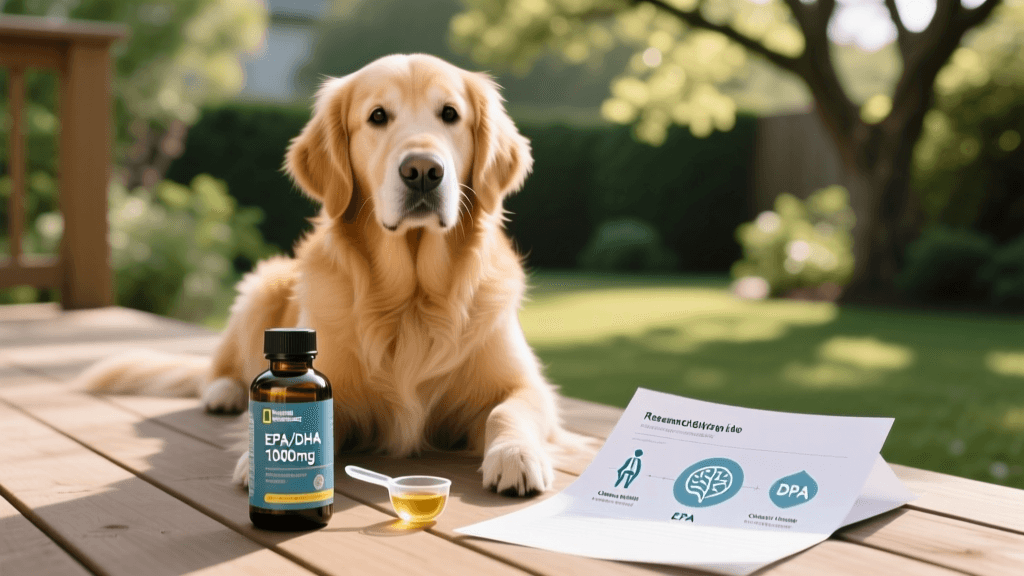
The Science of Omega-3 Fatty Acids in Canine Nutrition
When it comes to elevating your dog's overall vitality, few nutritional supplements boast the clinical backing and multifaceted benefits of Omega-3 fatty acids. Unlike generic multivitamins, Omega-3s target the very building blocks of your dog's cellular structure, influencing everything from joint lubrication to cognitive preservation. However, navigating the crowded supplement aisle requires a deep understanding of lipid biology, dosage mathematics, and sourcing ethics. In this deep dive, we will explore the precise mechanisms of Omega-3s, how to calculate therapeutic dosages, and how to select the highest-quality marine oils for your canine companion.
ALA vs. EPA and DHA: Why Source Matters
Not all Omega-3s are created equal. The three primary types are Alpha-linolenic acid (ALA), Eicosapentaenoic acid (EPA), and Docosahexaenoic acid (DHA). ALA is found in plant sources like flaxseed, chia seeds, and walnuts. While humans can convert a small amount of ALA into EPA and DHA, dogs lack sufficient levels of the delta-6-desaturase enzyme required for this conversion. Studies show that the canine conversion rate of ALA to EPA/DHA is less than 10%. Therefore, plant-based Omega-3s are largely ineffective for therapeutic use in dogs. To achieve clinical benefits, you must provide direct, marine-based sources of EPA and DHA, which bypass the need for enzymatic conversion and are immediately bioavailable to your dog's tissues.
Tangible Health Benefits: Joints, Skin, and Cognitive Function
Osteoarthritis and Joint Inflammation
EPA is a potent anti-inflammatory agent that actively competes with arachidonic acid (an Omega-6 fatty acid) for the COX-2 enzyme pathway. By downregulating this pathway, EPA reduces the production of inflammatory prostaglandins and leukotrienes that cause joint swelling and pain. According to a landmark study published in the Journal of the American Veterinary Medical Association, dogs with osteoarthritis fed a diet high in EPA and DHA showed significant improvements in weight-bearing capacity and reduced reliance on NSAID pain medications.
Atopic Dermatitis and Coat Health
For dogs suffering from environmental allergies or atopic dermatitis, Omega-3s help fortify the skin's lipid barrier. DHA and EPA promote the production of ceramides, which lock in moisture and keep environmental allergens out. Regular supplementation can significantly reduce pruritus (itching), erythema (redness), and the frequency of secondary bacterial skin infections.
Canine Cognitive Dysfunction (CCD)
The canine brain is composed of nearly 60% fat, with DHA being the most abundant structural fatty acid in the cerebral cortex. In senior dogs, DHA supplementation supports neuronal membrane fluidity, facilitating better neurotransmitter signaling. This can delay the onset of Canine Cognitive Dysfunction (the canine equivalent of Alzheimer's) and improve spatial awareness and learning in aging pets.
Calculating the Correct Omega-3 Dosage for Your Dog
Dosing Omega-3s is not a one-size-fits-all endeavor. The dosage depends entirely on your dog's body weight and the specific health condition you are targeting. The general veterinary consensus for maintenance health is roughly 30 mg of combined EPA and DHA per kilogram of body weight. However, for therapeutic management of osteoarthritis, severe allergies, or kidney disease, the dosage increases to between 75 mg and 100 mg per kilogram. Always read the supplement label carefully to find the exact EPA and DHA yield per serving, rather than just the 'total fish oil' volume. For more foundational guidelines on canine lipid requirements, the Tufts University Cummings Veterinary Medical Center offers excellent resources on balancing dietary fats.
| Dog Weight | Maintenance Dose (Combined EPA/DHA) | Therapeutic Joint/Skin Dose |
|---|---|---|
| 10 lbs (4.5 kg) | 135 mg | 340 - 450 mg |
| 25 lbs (11.3 kg) | 340 mg | 850 - 1,130 mg |
| 50 lbs (22.7 kg) | 680 mg | 1,700 - 2,270 mg |
| 75 lbs (34 kg) | 1,020 mg | 2,550 - 3,400 mg |
| 100 lbs (45.4 kg) | 1,360 mg | 3,400 - 4,540 mg |
Choosing the Right Supplement: Oils, Capsules, and Kibble Toppers
Selecting the right product involves balancing bioavailability, sustainability, and your dog's palate. Here is a breakdown of the top marine sources:
- Wild Alaskan Salmon Oil (e.g., Grizzly Salmon Oil): Rich in EPA, this is the most popular liquid choice. A 16-ounce bottle typically costs between $15 and $20. It is highly palatable for picky eaters but must be refrigerated after opening to prevent oxidation. Liquid pumps are ideal for accurate dosing over kibble.
- Antarctic Krill Oil (e.g., Zesty Paws Omega Bites): Krill oil contains astaxanthin, a powerful naturally occurring antioxidant that protects the Omega-3s from rancidity and provides additional cellular protection. The Omega-3s in krill oil are bound to phospholipids, which some studies suggest improves absorption rates. Expect to pay around $25 to $30 for a high-quality krill supplement.
- Algal Oil (e.g., Nordic Naturals Omega-3 Pet): Derived from marine algae, this is the original source of Omega-3s in the marine food web. It is highly sustainable, free from heavy metal bioaccumulation risks, and exceptionally high in DHA. It is an excellent vegan alternative, usually priced around $25 for a 16-ounce bottle.
Practical Feeding Guide, Storage, and Caloric Adjustments
To maximize absorption, Omega-3 supplements should always be administered alongside a meal that contains dietary fat, as this triggers the release of bile acids necessary for lipid digestion. Consistency is vital; it typically takes 4 to 8 weeks of daily supplementation to see visible improvements in coat quality, reduced shedding, and enhanced joint mobility.
Storage is equally critical. Polyunsaturated fats are highly susceptible to oxidation when exposed to light, heat, and oxygen. Rancid fish oil loses its efficacy and can actually induce oxidative stress in your dog's body. Always purchase oils packaged in opaque, dark glass or BPA-free opaque plastic. Store liquid oils in the refrigerator immediately after opening, and discard any oil that develops a sharp, rotting odor—a fresh supplement should smell mildly of the ocean. Furthermore, remember that fat is calorically dense. One teaspoon of salmon oil contains approximately 40 calories and 4.5 grams of fat. To prevent unwanted weight gain, you must reduce your dog's daily kibble intake to account for the added calories from the oil. For example, if your dog requires 800 calories a day and you add one tablespoon (roughly 120 calories) of fish oil, you must remove an equivalent amount of calories from their base diet. Failing to make this simple mathematical adjustment is a leading cause of obesity in supplemented pets.
Potential Risks and Veterinary Considerations
While Omega-3s are overwhelmingly safe, megadosing can lead to adverse effects. Extremely high doses can alter platelet aggregation, potentially increasing bleeding times, which is a critical consideration for dogs undergoing surgery or those with clotting disorders. Additionally, dogs with a history of pancreatitis or sensitive gastrointestinal tracts may experience steatorrhea (fatty stools) or vomiting if introduced to high-fat liquid oils too quickly. Always start with a quarter of the target dose and gradually titrate up over two weeks to allow the canine digestive system to adapt.
Furthermore, be wary of cheap, unbranded fish oils sold in bulk online. These products often lack third-party testing for heavy metals like mercury, lead, and arsenic, as well as environmental toxins like PCBs. Always look for products that carry a Certificate of Analysis (CoA) or are certified by independent organizations like the National Animal Supplement Council (NASC). The NASC seal indicates that the manufacturer has passed rigorous facility audits and product testing, ensuring the label claims match the actual contents of the bottle. For a comprehensive overview of safe supplementation and dietary integration, the American Kennel Club (AKC) recommends consulting your primary veterinarian before introducing therapeutic doses to your dog's regimen, especially if they are currently taking NSAIDs or immunosuppressive drugs.
aaron-whyte
All our authors care for dogs every day — read more of their work on the authors page.