Omega 3 for Dogs in 2026: Daily Dosing & Top Oil Types Compared
Discover the best Omega 3 for dogs in 2026. Compare fish, krill, and algae oils, learn exact EPA/DHA dosing, and master your dog's daily supplement routine.
Why Omega-3 Fatty Acids Are Non-Negotiable in 2026
As we navigate the advanced pet care landscape of 2026, the focus of canine nutrition has shifted dramatically from mere survival to proactive healthspan extension. At the forefront of this longevity movement is the strategic use of Omega-3 fatty acids for dogs. Unlike Omega-6 fatty acids, which are abundant in most commercial dog foods and can promote inflammation when unbalanced, Omega-3s are powerful anti-inflammatory agents. They are essential for maintaining joint mobility, supporting cognitive function in aging dogs, promoting a lustrous coat, and bolstering cardiovascular health.
Despite their importance, dogs cannot synthesize Omega-3s efficiently on their own. They must receive them through their diet. However, simply tossing a generic capsule into your dog's bowl is no longer considered best practice. Modern veterinary nutritionists emphasize that the source, the binding form, and the exact dosage of EPA (eicosapentaenoic acid) and DHA (docosahexaenoic acid) dictate the clinical outcome. In this comprehensive guide, we will break down the top Omega-3 sources available this year, how to calculate a therapeutic dose, and how to seamlessly integrate this vital supplement into your dog's daily routine.
The Omega-6 to Omega-3 Ratio: A 2026 Nutritional Priority
Before diving into supplements, it is crucial to understand the dietary environment of the modern dog. Most mainstream kibbles rely heavily on ingredients rich in Omega-6, such as chicken fat, corn oil, and sunflower oil. While Omega-6 is necessary for skin barrier function, an excess leads to a pro-inflammatory state in the body. The ideal Omega-6 to Omega-3 ratio for dogs is generally considered to be between 2:1 and 5:1. Unfortunately, many standard commercial diets boast ratios as high as 20:1. Supplementing with high-quality Omega-3 is the most effective way to correct this imbalance, thereby reducing systemic inflammation and alleviating symptoms of allergies and osteoarthritis.
Decoding the Sources: Fish, Krill, and Algae Oils
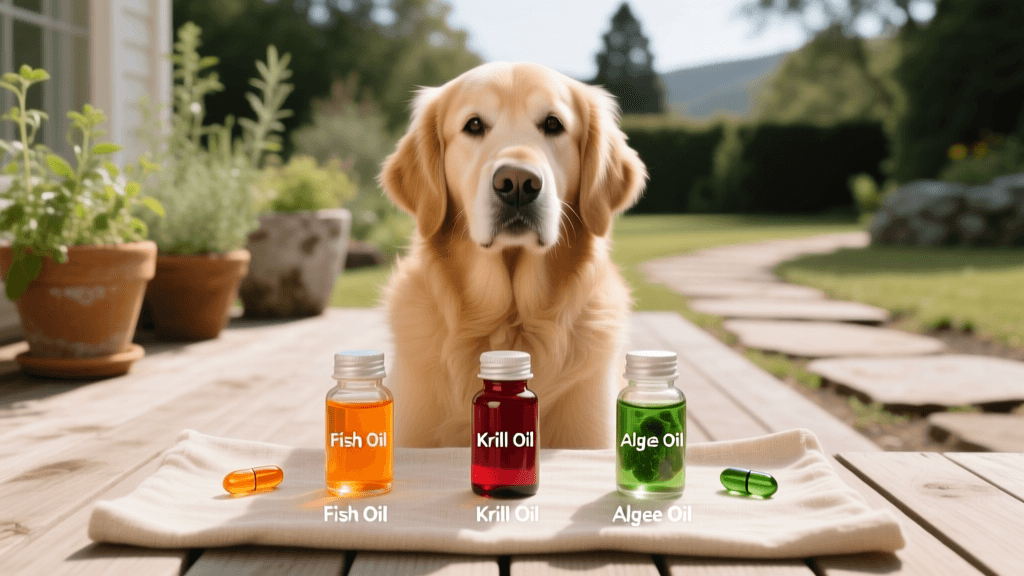
When you walk down the supplement aisle or browse online pet pharmacies in 2026, you will primarily encounter three types of Omega-3 sources. Each has unique biological properties, sustainability profiles, and absorption rates.
1. Wild-Caught Fish Oil
Fish oil remains the traditional heavyweight champion of canine Omega-3s. Sourced primarily from cold-water fish like sardines, anchovies, and mackerel, it offers the highest concentration of EPA and DHA per serving. The fatty acids in fish oil are typically in the triglyceride form, which is easily recognized and metabolized by the canine digestive system. However, buyers must be vigilant about purification. Ensure the brand utilizes molecular distillation to remove heavy metals, PCBs, and dioxins. Furthermore, fish oil is highly prone to oxidation, meaning it can go rancid quickly if not stored properly.
2. Antarctic Krill Oil
Krill oil has surged in popularity due to its unique phospholipid binding structure. Because the Omega-3s in krill oil are bound to phospholipids rather than triglycerides, they are more water-soluble and often boast superior cellular absorption rates. Additionally, krill oil naturally contains astaxanthin, a potent antioxidant that gives the oil its deep red color and helps protect the fatty acids from oxidizing. The trade-off is that krill oil generally contains lower total amounts of EPA and DHA per pump compared to concentrated fish oil, requiring higher volumes for large breed dogs with severe joint issues.
3. Algae Oil (The Vegan Powerhouse)
The biggest breakthrough in recent years is the refinement of marine algae oil. Since fish actually accumulate Omega-3s by consuming algae, algae oil cuts out the middleman. It is exceptionally rich in DHA, making it a favorite for cognitive support in senior dogs and neurological development in puppies. Algae oil is 100% vegan, completely free from heavy metal contamination, and boasts the highest sustainability rating of any Omega-3 source, aligning with the eco-conscious values of many pet owners in 2026.
2026 Omega-3 Source Comparison Chart
| Source Type | Primary Fatty Acids | Binding Form | Sustainability Rating | Avg. Monthly Cost (50lb Dog) |
|---|---|---|---|---|
| Wild Fish Oil | High EPA & DHA | Triglyceride | Moderate (Look for MSC Certified) | $15 - $25 |
| Krill Oil | Moderate EPA & DHA | Phospholipid | High (FAD-Free Harvesting) | $25 - $40 |
| Algae Oil | High DHA, Low EPA | Triglyceride | Excellent (Lab-Grown/Vegan) | $20 - $35 |
How to Calculate the Correct Omega-3 Dosage
One of the most common mistakes pet owners make is relying solely on the feeding guidelines printed on the back of the supplement bottle. These guidelines often reflect a 'maintenance' dose, which is sufficient for a young, healthy dog but inadequate for a dog requiring therapeutic support for joint pain, skin allergies, or kidney disease.
According to veterinary experts at VCA Animal Hospitals, the clinical efficacy of Omega-3s depends entirely on the combined milligram count of EPA and DHA, not the total amount of 'fish oil' in the pump. To calculate the correct dose, you must read the fine print on the nutritional panel.
- General Health & Coat Maintenance: Aim for 50 mg of combined EPA/DHA per kilogram of body weight.
- Therapeutic Joint & Inflammation Support: Aim for 75 mg to 100 mg of combined EPA/DHA per kilogram of body weight.
Example Calculation: Let us take a 50-pound dog (approximately 22.7 kg). For general maintenance, this dog needs roughly 1,135 mg of combined EPA/DHA daily. If your chosen fish oil pump delivers 500 mg of total oil, but only 150 mg of combined EPA/DHA, you would need to administer roughly 7 to 8 pumps daily to reach the maintenance threshold. Always consult your veterinarian before initiating therapeutic dosing, especially if your dog is on blood-thinning medications or preparing for surgery.
Integrating Omega-3 Into Your Dog's Daily Routine
Consistency is key when supplementing with fatty acids. It typically takes 4 to 8 weeks of daily administration to see visible improvements in coat quality and joint mobility. Here is how to build a foolproof daily routine.
Timing and Mixing
Omega-3s are fat-soluble, meaning they are best absorbed when consumed alongside other dietary fats. The ideal time to administer the supplement is during your dog's largest meal of the day. If you feed a raw or fresh food diet that is naturally high in healthy fats, absorption will be optimal. If you feed a low-fat kibble, consider adding a small dollop of plain, unsweetened yogurt or a drizzle of coconut oil alongside the Omega-3 to stimulate bile production and aid absorption.
Pumps vs. Capsules vs. Chews
In 2026, liquid pump bottles remain the gold standard for accuracy and ease of use. Pumping the oil directly over the kibble ensures the dog consumes the entire dose. Capsules are a good alternative for dogs that are picky about the smell of oil on their food; you can simply pierce the capsule and squeeze it out, or hide the whole capsule in a piece of lean turkey. Avoid Omega-3 'soft chews' whenever possible. To make the oil stable in a chew format, manufacturers often use high heat and add unnecessary fillers, starches, and artificial preservatives that degrade the delicate fatty acids.
Crucial Storage and Safety Protocols
The greatest enemy of Omega-3 supplements is oxidation. When fish or krill oil is exposed to light, heat, or oxygen, it degrades and turns rancid. Feeding rancid oil to your dog does not provide health benefits; instead, it introduces harmful free radicals into their system, which can cause gastrointestinal distress and exacerbate inflammation.
- Refrigerate Immediately: Once opened, liquid Omega-3 oils must be stored in the refrigerator. This drastically slows the oxidation process.
- The Sniff Test: Before every use, give the bottle a quick smell. It should have a mild, fresh, oceanic scent. If it smells sharply sour, metallic, or like rotting fish, discard it immediately.
- Pump vs. Pour: Bottles with vacuum-seal pump tops are vastly superior to pour-bottles, as they prevent ambient oxygen from entering the container every time you feed your dog.
- Avoid Human Supplements: As noted by the American Kennel Club, human fish oil capsules frequently contain flavorings like lemon or orange oil to mask the taste, which can upset a dog's stomach. More dangerously, some human liquid supplements use xylitol (birch sugar) as a sweetener, which is highly toxic and potentially fatal to dogs.
Verifying Quality: The NASC Seal
The pet supplement industry is still loosely regulated compared to human pharmaceuticals. To protect your dog from mislabeled products or contaminated batches, always look for the National Animal Supplement Council (NASC) seal on the packaging. Brands that display this seal have undergone rigorous independent audits, ensuring that what is on the label matches what is in the bottle, and that the manufacturing facility adheres to strict cGMP (current Good Manufacturing Practice) standards.
Final Thoughts on Canine Omega-3s
Incorporating Omega-3 fatty acids into your dog's daily routine is one of the most impactful, scientifically backed decisions you can make for their long-term health in 2026. Whether you choose a traditional wild fish oil for maximum EPA, a phospholipid-rich krill oil for superior absorption, or a sustainable algae oil for cognitive DHA support, the key lies in accurate dosing and proper storage. By taking the time to read the nutritional panel, calculate the exact EPA/DHA requirements for your dog's specific weight, and store the oil correctly, you are investing in a future of improved mobility, reduced inflammation, and a vibrant, healthy life with your best friend.
robin-maitland
All our authors care for dogs every day — read more of their work on the authors page.