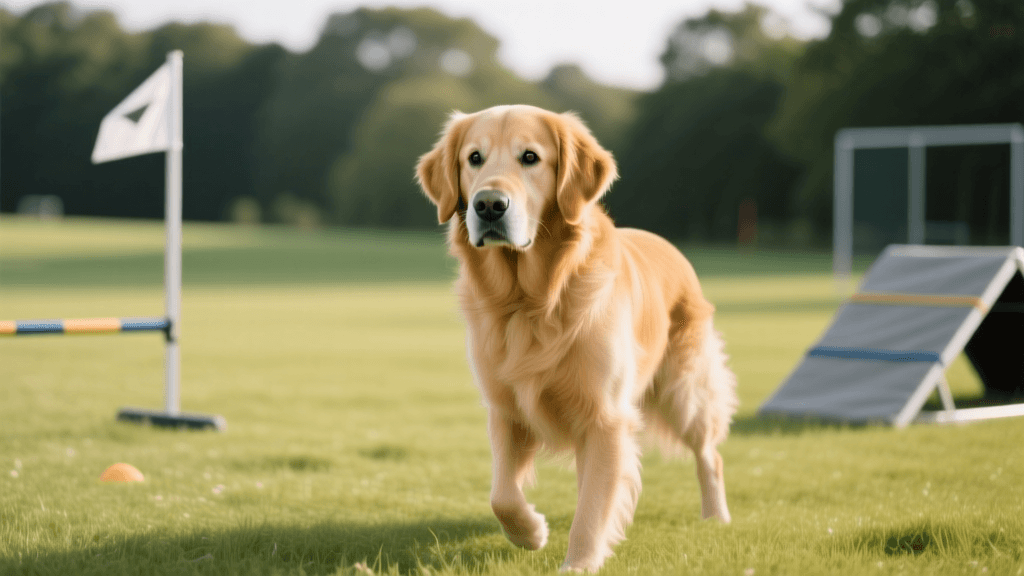
Omega 3 For Dog Training Focus: The 2026 Cognitive Guide
Discover how Omega 3 DHA and EPA supplements boost canine cognitive focus, memory retention, and stress resilience during obedience training in 2026.
The Intersection of Neuro-Nutrition and Operant Conditioning
As we navigate the evolving landscape of canine behavioral science in 2026, professional dog trainers and veterinary behaviorists are increasingly looking beyond mechanical repetition to optimize learning. The modern approach to obedience training, behavioral conditioning, and complex trick teaching now heavily incorporates neuro-nutrition. At the forefront of this cognitive revolution is the strategic use of Omega 3 fatty acids—specifically Docosahexaenoic Acid (DHA) and Eicosapentaenoic Acid (EPA). While historically viewed merely as joint or coat supplements, Omega 3s are now recognized as foundational pillars for canine cognitive endurance, memory consolidation, and emotional regulation during high-stakes training sessions.
When you are teaching a dog to perform a multi-step trick chain or attempting to counter-condition a reactive dog in a busy urban environment, the brain's synaptic plasticity is pushed to its limits. According to the American Kennel Club (AKC), Omega 3 fatty acids play a critical role in maintaining cellular health throughout the body, but their impact on the central nervous system is where the true training benefits lie. This comprehensive 2026 guide explores how to leverage DHA and EPA to dramatically improve your dog's focus, reduce training-induced anxiety, and accelerate the acquisition of new behaviors.
DHA: The Building Block of Trick Memory and Recall
Docosahexaenoic Acid (DHA) is a primary structural component of the mammalian brain. In the context of dog training, DHA is the biological hardware that allows for neuroplasticity—the brain's ability to reorganize itself by forming new neural connections. When you use a clicker or a marker word like 'Yes!' to capture a desired behavior, your dog's brain must rapidly encode that specific action and associate it with the incoming reward.
Accelerating the Learning Curve in Puppies
For puppy socialization and foundational obedience, DHA is non-negotiable. Studies referenced by veterinary nutritionists at the Tufts University Cummings School of Veterinary Medicine have long established that puppies weaned on diets rich in DHA demonstrate significantly improved trainability and problem-solving skills compared to their DHA-deficient littermates. In 2026, top-tier breeders and early neurological stimulation (ENS) programs mandate DHA supplementation from the neonatal stage to ensure the developing hippocampus is primed for rapid spatial and associative learning.
Sustaining Cognitive Endurance in Adult Dogs
For adult dogs engaged in advanced obedience, agility, or scent work, mental fatigue is often the limiting factor. A 45-minute shaping session requires immense cognitive endurance. DHA helps maintain the fluidity of neuronal membranes, ensuring that neurotransmitters like dopamine and acetylcholine can efficiently transmit signals. This translates to a dog that remains 'switched on' and responsive to subtle handler cues long after the average dog would have mentally checked out.
EPA: Lowering the Reactivity Threshold for Socialization
While DHA is the star of memory and learning, Eicosapentaenoic Acid (EPA) is the master of emotional regulation. EPA is a potent anti-inflammatory agent that crosses the blood-brain barrier to reduce neuroinflammation. In behavioral conditioning, particularly when dealing with fear, anxiety, and stress (FAS), neuroinflammation can cause a dog to become hyper-vigilant and reactive.
When desensitizing a leash-reactive dog to the presence of other dogs, the goal is to keep the dog 'under threshold'—the cognitive space where the dog can still process treats and marker words. If a dog crosses this threshold, the learning brain shuts down, and the survival brain takes over. According to PetMD, the anti-inflammatory properties of EPA help modulate the stress response, effectively widening the dog's threshold window. This means your dog can remain closer to a trigger while still maintaining the cognitive focus required for counter-conditioning.
2026 Sourcing and Quality Standards for Training Dogs
Not all Omega 3 supplements are created equal, and the 2026 market is flooded with substandard products that can do more harm than good. Rancid fish oil causes oxidative stress, which actively damages brain cells and impairs cognitive function. To ensure you are fueling your dog's brain for optimal training, adhere to these strict sourcing criteria:
- Triglyceride Form: Ensure the oil is in the natural triglyceride (TG) form rather than the synthetic ethyl ester (EE) form. TG-form Omega 3s have a significantly higher bioavailability, ensuring the DHA and EPA actually reach the brain tissue.
- IFOS 5-Star Certification: Only purchase products that display the International Fish Oil Standards (IFOS) 5-star rating. This guarantees the oil has been third-party tested for heavy metals, PCBs, and dioxins, and verifies that the peroxide value (a measure of rancidity) is well below the acceptable limits.
- Small, Wild-Caught Fish: Oils derived from anchovies, sardines, and mackerel are vastly superior to those from large predatory fish or farmed salmon. They accumulate fewer environmental toxins and offer a more favorable EPA-to-DHA ratio for behavioral conditioning.
- Dark, Oxygen-Deprived Packaging: Light and oxygen destroy Omega 3s. In 2026, premium brands utilize UV-blocking glass bottles with nitrogen-flushed caps to prevent oxidation before the bottle is even opened.
Dosage Guidelines for Active Training Dogs
The dosage required for cognitive enhancement and behavioral conditioning is notably higher than the baseline maintenance dose recommended for general coat health. When preparing a dog for an intensive training camp, competition, or a rigorous behavioral modification protocol, veterinary nutritionists recommend a 'loading dose' of EPA and DHA. Below is the 2026 standardized dosing chart for dogs engaged in high-intensity cognitive training.
| Dog Weight (lbs) | Maintenance Dose (EPA+DHA) | High-Intensity Training Dose (EPA+DHA) | Recommended Source Type |
|---|---|---|---|
| 10 - 25 | 300 - 500 mg | 700 - 900 mg | Liquid Pump / Soft Chews |
| 26 - 50 | 600 - 900 mg | 1200 - 1500 mg | Liquid Pump / Capsules |
| 51 - 75 | 1000 - 1400 mg | 1800 - 2200 mg | Liquid Pump / Whole Fish |
| 76 - 100+ | 1500 - 2000 mg | 2500 - 3200 mg | Liquid Pump / Capsules |
Note: Always introduce high doses of Omega 3 gradually over a two-week period to avoid gastrointestinal upset, which can severely disrupt a training schedule.
The 8-Week Cognitive Conditioning Protocol
To fully integrate Omega 3 supplementation into your training regimen, it is crucial to understand that DHA and EPA do not work like a stimulant; they do not provide an immediate, caffeine-like boost. Instead, they alter the lipid profile of the brain over time. Here is a structured 8-week protocol to align your nutritional strategy with your behavioral goals.
Weeks 1-2: The Lipid Loading Phase
Begin supplementing your dog's diet with the high-intensity training dose outlined in the table above. During this phase, keep training sessions short (5-10 minutes) and focus on low-stress, high-reward foundation behaviors. The goal is to allow the Omega 3s to begin integrating into the neuronal membranes without overwhelming the dog's digestive system or cognitive capacity.
Weeks 3-5: Shaping and Complexity
As the DHA levels in the brain reach optimal saturation, you will notice a marked improvement in your dog's ability to 'offer' behaviors during free-shaping sessions. Introduce complex trick chains, such as retrieving specific items by name or navigating advanced agility obstacles. Increase session lengths to 20-30 minutes, monitoring for signs of mental fatigue. The enhanced synaptic plasticity will allow your dog to retain these complex sequences with fewer repetitions.
Weeks 6-8: Proofing and Environmental Stressors
This is the phase where EPA's emotional regulation benefits truly shine. Take your training on the road. Practice obedience in high-distraction environments like busy parks, outdoor cafes, or training clubs. Because the neuroinflammation is being actively managed by the EPA, your dog will recover from environmental stressors much faster, maintaining focus on your marker words despite the chaos around them.
Synergistic Pairings for Competition Prep
For handlers preparing for obedience trials or protection sports in 2026, Omega 3s are frequently paired with L-Theanine, an amino acid found in green tea leaves. While Omega 3 builds the long-term structural integrity of the brain, L-Theanine provides acute, short-term anxiety relief by promoting alpha-brain wave activity. Administering an L-Theanine treat 45 minutes before a high-stress trial, while maintaining a daily DHA/EPA regimen, creates a synergistic effect that maximizes both cognitive sharpness and emotional calmness.
Conclusion
Mastering dog training is no longer just about perfect timing and high-value treats; it is about cultivating a brain that is biologically equipped to learn, adapt, and remain calm under pressure. By strategically utilizing high-quality, IFOS-certified Omega 3 supplements, you are providing your dog with the neurological foundation required for elite obedience and behavioral resilience. As the science of canine cognition continues to advance in 2026, the integration of DHA and EPA into daily training protocols remains one of the most effective, evidence-based strategies for unlocking your dog's true potential.
aaron-whyte
All our authors care for dogs every day — read more of their work on the authors page.