How Kids Can Safely Train the Family Dog: A Guide
Learn how kids can safely train the family dog with fun games, boundary setting, and bite prevention tips for a harmonious household.

The Magic of the Child-Dog Bond
Growing up with a family dog is one of childhood's greatest joys. However, the intersection of energetic children and canine instincts requires careful management. According to the American Academy of Pediatrics, children are the most common victims of dog bites, often occurring during everyday interactions. Teaching kids how to safely train and interact with the family dog not only prevents accidents but also fosters empathy, responsibility, and a lifelong bond. This guide provides parents with actionable, age-appropriate training games, safety protocols, and gear recommendations to empower kids as junior dog trainers.
The Golden Rules of Kid-Dog Interaction
Before handing over the treat pouch, establish non-negotiable safety rules. Dogs and children both lack impulse control, making adult supervision the ultimate safety net.
- The 3-Second Petting Rule: Teach kids to pet the dog for three seconds, then stop and observe. If the dog leans in for more, continue. If the dog turns away, respect the boundary.
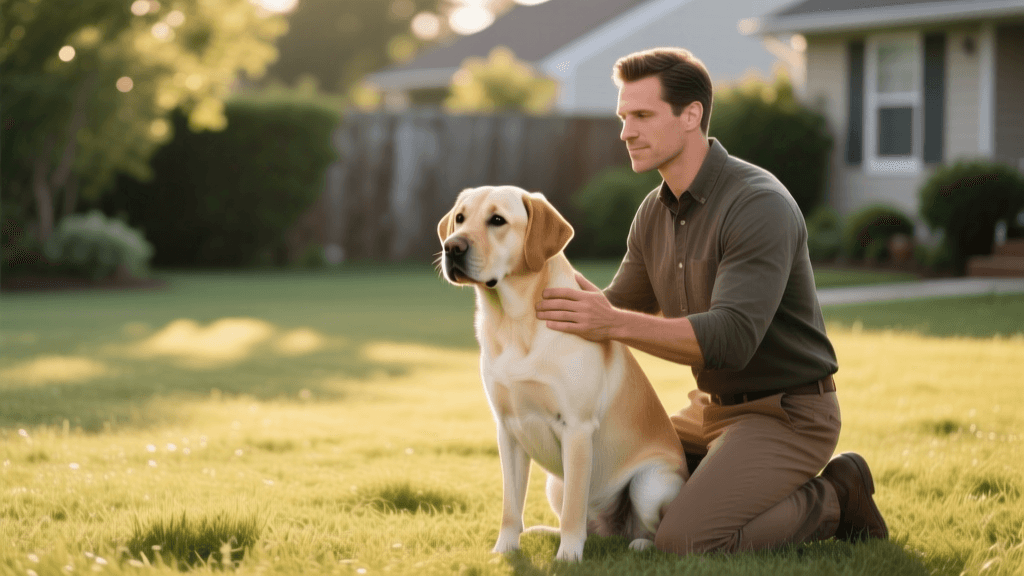
- No Hugging or Hovering: While humans show affection through hugs, primates wrapping arms around a canine's neck can trigger a threat response. Teach kids to pet the dog's chest or shoulders instead of reaching over the head.
- Respect the Safe Zone: The dog's crate or bed is an absolute no-touch zone. If the dog is resting, eating, or chewing a toy, kids must practice the 'invisible bubble' rule, staying at least three feet away.
Age-Appropriate Training Responsibilities
Not all training tasks are suitable for every age group. Matching the child's developmental stage with the right canine activity ensures success and safety.
| Child's Age | Developmental Capabilities | Recommended Dog Training Tasks | Required Supervision Level |
|---|---|---|---|
| 4-6 Years | Developing empathy, short attention span, limited motor skills. | Tossing scattered treats for 'Find It', filling Kong toys with peanut butter, practicing hand targeting with adult hand-over-hand guidance. | Direct, arms-length adult supervision at all times. |
| 7-9 Years | Improved impulse control, ability to follow multi-step instructions, better timing. | Clicker training basic cues (Sit, Down), leading the dog on a leash in a fenced yard, practicing 'Drop It' trade-ups. | Active adult supervision in the same room. |
| 10-12 Years | Stronger physical capability, understanding of canine body language, ability to troubleshoot. | Teaching new tricks (Spin, Shake), managing feeding routines, practicing recall on a long line in open spaces. | Indirect supervision (adult nearby and checking in frequently). |
Top 3 Low-Arousal Training Games for Kids
High-energy games like fetch or tug-of-war can quickly lead to overstimulation and accidental nips. Low-arousal training games engage the dog's brain, burn energy safely, and keep the child at a safe distance from the dog's mouth.
1. Hand Targeting (The 'Touch' Game)
Hand targeting teaches the dog to touch its nose to a human's palm. This is incredibly safe because it directs the dog's mouth away from the child's fingers and face.
How to play:
- Have your child hold a treat in one hand and present the empty, open palm of their other hand to the dog.
- When the dog sniffs or bumps the empty palm, the child says 'Yes!' and feeds the treat from the opposite hand.
- Gradually increase the distance. This game is excellent for recalling the dog away from the front door or guiding them onto their mat.
2. The 'Find It' Sniffing Game
Sniffing lowers a dog's heart rate and provides immense mental stimulation. Ten minutes of sniffing can tire a dog out as much as a one-mile walk.
How to play:
- Use high-value, smelly treats like freeze-dried liver or small pieces of hot dog.
- Have the child toss a handful of treats into the grass or scatter them across a living room rug.
- Give the cue 'Find it!' and let the dog forage. This teaches the dog to keep its nose on the ground rather than jumping up on the kids.
3. The 'Drop It' Trade-Up Game
Resource guarding is a leading cause of dog bites in families. Kids must never pry an item from a dog's mouth. Instead, teach the 'Trade-Up' method.
How to play:
- When the dog has a low-value toy, the child approaches with a high-value treat (e.g., a piece of chicken).
- The child tosses the treat near the dog's nose. As the dog drops the toy to eat the treat, the child says 'Drop it.'
- Once the dog finishes the treat, return the original toy. This teaches the dog that giving up an item always results in a reward, eliminating the need for confrontation.
Essential Gear for Kid-Led Training
Equipping your child with the right tools sets them up for success. Here are the top investments for junior trainers:
- Treat Pouch: A dedicated, easy-clean treat pouch like the Ruffwear Treat Trader (approx. $25) clips securely to a child's waist. It features a magnetic closure, allowing small hands to access treats quickly without fumbling with zippers.
- Long Training Line: For outdoor recall practice, use a 15-foot to 20-foot lightweight biothane long line. Biothane is waterproof, doesn't burn little hands if the dog pulls, and costs around $30 to $45 from specialty retailers.
- Clicker with a Wrist Coil: A standard clicker can be easily dropped and lost. A clicker attached to a stretchy wrist coil (approx. $8) ensures the child always has the timing marker ready.
Creating a Canine 'Safe Zone'
Every family dog needs a sanctuary where they can retreat from the chaos of household life. According to the American Veterinary Medical Association, providing a safe space and teaching children to respect it is a cornerstone of bite prevention.
Setting up the zone:
- Crate Sizing: Ensure the crate is large enough for the dog to stand, turn around, and lie down comfortably. For a medium-sized dog (30-50 lbs), a 36-inch crate is standard.
- Physical Barriers: Use a pressure-mounted baby gate (approx. $40-$60) to block off the dog's room or crate area. Look for gates that are at least 30 inches tall to prevent medium-to-large dogs from jumping over.
- Visual Cues: Hang a simple 'Do Not Disturb' sign or a colored bandana on the crate. Teach kids that when the sign is up, the dog is having 'quiet time' and must not be approached.
Decoding Canine Body Language
Children are naturally empathetic but often misinterpret canine signals. A wagging tail does not always mean a happy dog; it simply indicates arousal, which could be excitement or anxiety. Teach your kids to look for these subtle stress signals:
- Whale Eye: When a dog turns its head away but keeps its eyes fixed on a stimulus, showing the whites of its eyes, it is highly stressed.
- Lip Licking and Yawning: If a dog is not tired or eating, frequent yawning or licking of the lips are 'calming signals' used to diffuse tension.
- Freezing: A dog that suddenly goes completely stiff while being petted or approached is giving a final warning before a potential bite.
Teach your kids to play the 'Statue Game' if the dog gets too jumpy. By standing completely still, crossing their arms, and looking at the sky, the child becomes incredibly boring to the dog, which naturally stops the jumping behavior without the child needing to push the dog away or yell.
It is also crucial to teach children about the concept of 'consent' when interacting with animals. Just as we teach kids to ask before hugging a friend, they must learn to invite the dog into their space rather than invading the dog's space. If the dog chooses to walk away, that is a clear 'no,' and the child must respect that decision immediately. Empowering kids with this knowledge builds profound emotional intelligence that extends far beyond their relationship with the family pet.
'Children must be taught that a dog's body language is their primary form of communication. Ignoring a dog's request for space is the fastest way to erode trust and safety in the home.'
Conclusion
Involving kids in dog training is a deeply rewarding family endeavor. By focusing on low-arousal games, respecting the dog's need for a safe zone, and utilizing the right gear, you transform your child from a potential stressor into your dog's favorite training partner. Consistency, supervision, and empathy are the ultimate keys to raising a harmonious, multi-species household.
Remember that the goal is not to create a perfect obedience robot, but to facilitate a safe, mutual understanding between two very different species. Celebrate the small victories, keep training sessions short (under five minutes for younger children), and always end on a positive note. With patience and the right framework, your child and your dog will develop a beautiful, cooperative partnership that enriches your entire family dynamic.
tom-renshaw
All our authors care for dogs every day — read more of their work on the authors page.