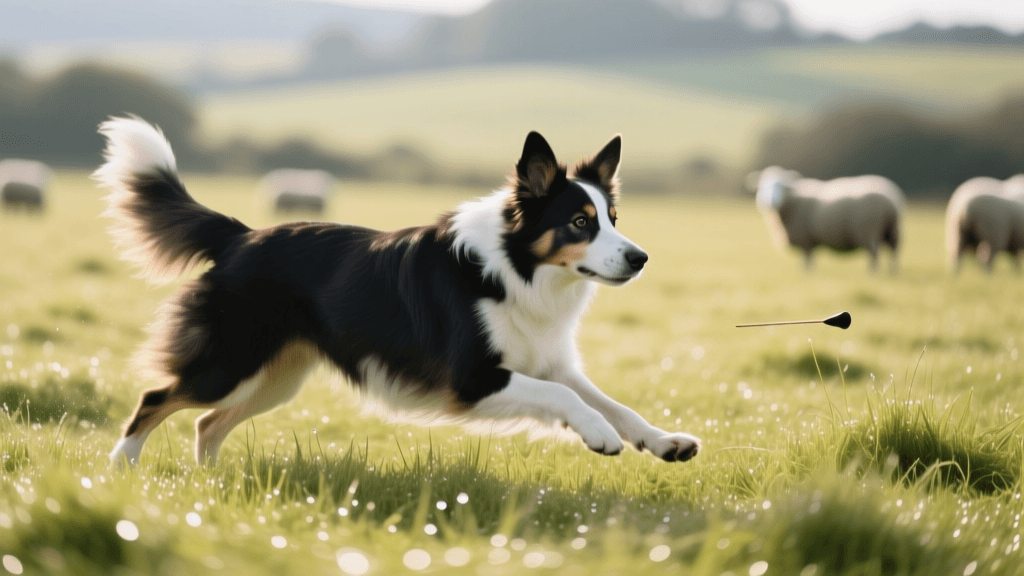
Train Your Dog for Off-Leash Hiking and Trail Recall
Master off-leash hiking with our step-by-step trail recall training guide. Learn essential commands, gear recommendations, and safety tips for adventures.

The Dream of Off-Leash Trail Adventures
There are few experiences in dog ownership as rewarding as watching your canine companion bound joyfully through a pine forest, splash in a mountain stream, or navigate a rocky alpine trail. However, the transition from a leash-bound neighborhood walk to a reliable, off-leash wilderness hiking partner requires rigorous training, specialized gear, and a deep understanding of canine psychology. According to REI's expert guide to hiking with dogs, proper preparation and trail conditioning are essential to ensure both your dog's safety and the preservation of natural habitats.
Off-leash hiking is not merely about removing the leash; it is about establishing a level of communication that overrides a dog's natural prey drive and environmental distractions. A reliable trail recall can mean the difference between a peaceful afternoon in nature and a dangerous, multi-day search and rescue operation. This comprehensive guide will walk you through the exact methodology, gear, and safety protocols required to train a bombproof wilderness recall.
Phase 1: Building a Bombproof Emergency Recall
Before you ever unclip the leash on a trail, your dog must possess an emergency recall that is completely separate from their standard 'come' command. In the wilderness, voice commands can be swallowed by wind, rushing water, or dense foliage. This is where whistle training becomes indispensable.
Whistle Training Mechanics
We recommend the Acme 211.5 or 210.5 dual-tone training whistle. These pealess whistles cost between $12 and $18 and are audible from up to a mile away, even in heavy wind. The training protocol requires a dedicated 3-week foundation period before hitting the trails.
- Week 1 (Indoor Pairing): Blow the whistle (two short tweets) and immediately hand your dog a high-value reward, such as Stella & Chewy's freeze-dried beef liver. Do this 10 times per session, 3 sessions a day. The dog must learn that the whistle sound predicts an unparalleled food reward.
- Week 2 (Yard Distance): Move to a fenced yard. Wait until the dog is 20 to 30 feet away and mildly distracted. Blow the whistle. When they turn and run to you, reward heavily. If they do not respond, do not repeat the whistle. Instead, use a happy voice to encourage them, then reset the distance.
- Week 3 (Mild Distractions): Practice in a local park on a 30-foot long line. Introduce mild distractions like distant joggers or other dogs. The whistle must always result in a jackpot reward (a handful of Zuke's Mini Naturals or real chicken).
Phase 2: Long-Line Transitioning and Trail Proofing
Once the whistle recall is established in controlled environments, you must transition to the trail using a long line. A standard nylon leash will absorb swamp water, snag on brambles, and burn your hands if the dog bolts. Instead, invest in a Biothane long line.
Biothane is a coated webbing that is waterproof, stink-proof, and easy to wipe clean with a towel. For medium to large dogs (40+ lbs), a 30-foot line with a 3/4-inch width and a brass or stainless steel snap clasp is ideal. These typically cost between $30 and $45 from specialized makers like High Tail or Mighty Paw. The 30-foot length provides the dog with enough freedom to navigate obstacles and sniff, while giving you a physical safety net to step on or grab if they lock onto a deer scent.
During this phase, practice the 'Engage-Disengage' game. When your dog spots a squirrel or a distant hiker, let them look (Engage). The moment they voluntarily turn their head back to you (Disengage), blow the whistle or use your marker word, and reward. This teaches the dog that acknowledging a distraction and returning to you is more profitable than chasing it.
Essential Gear for Wilderness Training
Proper equipment mitigates risk and accelerates the training process. Below is a structured breakdown of the essential gear required for off-leash trail training.
| Gear Item | Recommended Brand/Type | Estimated Cost | Key Specifications & Purpose |
|---|---|---|---|
| Training Whistle | Acme 211.5 | $12 - $18 | Dual-tone, pealess, audible up to 1 mile. Cuts through wind and water noise. |
| Long Line | Biothane 30ft Lead | $30 - $45 | Waterproof, 3/4 inch width, rust-proof clasp. Prevents snagging and waterlogging. |
| GPS Collar | Fi Series 3 or Garmin Alpha | $150 - $600 | Real-time tracking, geofencing alerts, and battery life up to 3 months (Fi) or 60 hours (Garmin). |
| Canine First Aid | Kurgo First Aid Kit | $25 - $35 | Includes tick remover, styptic powder, saline wash, and self-adhering bandages. |
| Paw Protection | Musher's Secret Wax | $15 - $20 | Dense wax blend to prevent cracking from ice, hot rocks, and abrasive gravel. |
Phase 3: Proofing Against Wildlife and Trail Hazards
The ultimate test of trail recall is wildlife. A dog's prey drive is an innate survival mechanism, and overriding it requires a rock-solid 'Leave It' command. Begin this training at home with low-value items (like a piece of kibble) and progressively move to high-value items (like a favorite toy or a piece of hot dog).
On the trail, if your dog catches the scent of a wild animal, use your pre-emptive 'Leave It' command before they reach the threshold of no return. If they comply, reward with a high-value treat and redirect their energy into a different activity, such as a game of tug or a scent-work search for hidden treats in the brush. Never punish a dog for returning to you, even if they just chased a rabbit for 50 yards. Punishing the return will teach the dog that coming back results in negative consequences, which will destroy your recall reliability.
Trail Etiquette and Safety Regulations
Training your dog is only half the battle; the other half is being a responsible steward of the outdoors. Many national and state parks have strict regulations regarding canine presence. The National Park Service BARK Ranger guidelines provide an excellent framework for trail etiquette. The BARK acronym stands for:
- B - Bag your pet's waste: Always carry biodegradable bags and pack out all waste. Leaving bags on the side of the trail to 'pick up later' is unacceptable and harms local ecosystems.
- A - Always wear a leash (where required): Even if your dog has a perfect recall, respect local leash laws. Some trails prohibit off-leash dogs entirely to protect nesting birds or fragile flora.
- R - Respect wildlife: Never allow your dog to chase, bark at, or harass wild animals. This can transmit diseases, cause fatal stress to wildlife, or provoke a dangerous retaliation from animals like porcupines or bears.
- K - Know where you can go: Research trail regulations before you arrive. Many wilderness areas only allow dogs on specific, designated paths.
Health and Environmental Hazards
Wilderness environments present unique health risks that neighborhood walks do not. Ticks, foxtails, and toxic plants are prevalent on hiking trails. According to the CDC guidelines on tick prevention for pets, dogs are highly susceptible to tick-borne illnesses such as Lyme disease, Anaplasmosis, and Rocky Mountain spotted fever. Ensure your dog is on a veterinarian-approved oral or topical tick preventative year-round, and perform a thorough full-body tick check immediately after every hike, paying special attention to the ears, armpits, and between the toes.
Additionally, hydration is critical. A working or hiking dog requires approximately 1 ounce of water per pound of body weight daily, but this can easily double during strenuous trail activities. Carry a dedicated collapsible silicone bowl and at least 32 ounces of fresh water for every two hours of planned hiking. Do not allow your dog to drink from stagnant puddles or slow-moving streams, as these can harbor Giardia or Leptospirosis bacteria.
Trainer's Note on Patience: True off-leash reliability in high-distraction environments is not achieved in a weekend. Expect the full training process, from foundation whistle work to reliable wilderness recall, to take anywhere from 6 to 12 months of consistent, daily practice. Rushing the process by unclipping the leash too early in high-distraction areas is the most common reason dogs fail to develop a reliable recall.
Conclusion
Training your dog for off-leash hiking and trail recall is a profound investment in your relationship and your shared safety. By utilizing specialized tools like the Acme whistle and Biothane long lines, adhering to structured proofing protocols, and respecting environmental regulations, you can unlock the ultimate outdoor adventure with your best friend. Start small, prioritize high-value rewards, and enjoy the journey of building a truly reliable wilderness companion.
robin-maitland
All our authors care for dogs every day — read more of their work on the authors page.