Group Classes vs Private Dog Training: Side-by-Side Guide
Compare group classes and private dog training. Discover costs, benefits, and which method yields the best obedience results for your unique pup.

The Great Debate: Group Classes vs. Private Dog Training
When it comes to raising a well-behaved canine companion, pet parents are quickly faced with a pivotal decision: should you enroll your furry friend in group obedience classes, or invest in private, one-on-one dog training? Both avenues offer distinct advantages, but they cater to vastly different learning styles, behavioral needs, and household budgets. At Paws-Tales, we believe that an informed owner is a successful owner. In this comprehensive side-by-side comparison, we will break down the costs, environments, and outcomes of group versus private dog training to help you make the ultimate choice for your pup.
Group Dog Training Classes: The Social Classroom
Group training classes typically involve one or two certified instructors working with a cohort of 6 to 10 dogs and their owners simultaneously. These classes are usually held at dedicated training facilities, pet supply stores, or community centers, and they run on a set curriculum over a period of 4 to 8 weeks.
Pros of Group Classes
- Built-in Socialization: For puppies and well-adjusted adult dogs, group classes provide a controlled environment to practice social skills and learn how to focus on their owner despite the presence of other dogs and strangers.
- Cost-Effective: Group classes are significantly more affordable than private sessions, making them accessible for most household budgets.
- Community Building: Owners often find emotional support and camaraderie in group classes, sharing tips and commiserating over common puppy-raising struggles like teething and potty training.
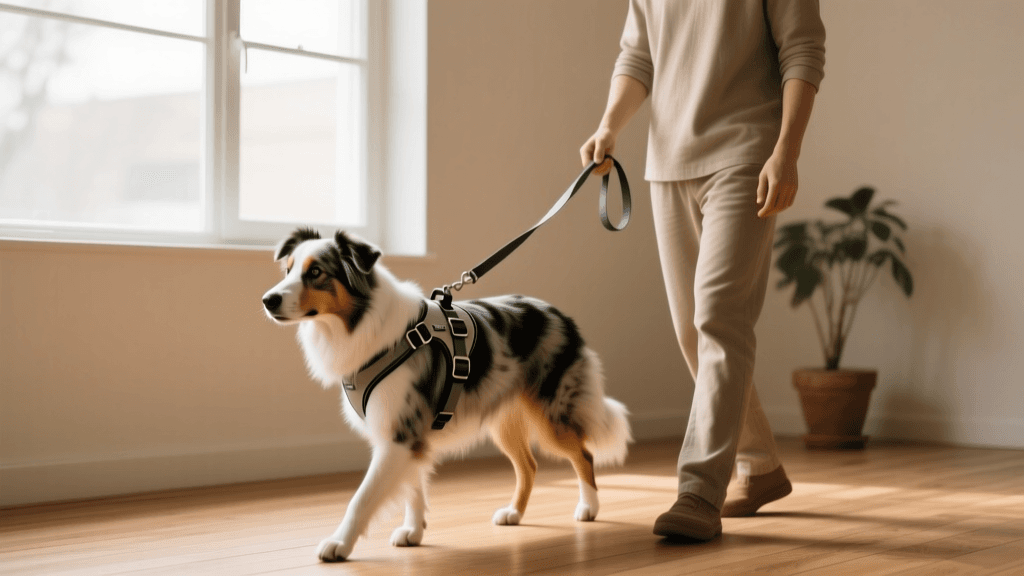
- Structured Curriculum: Classes follow a proven syllabus, ensuring you cover all the foundational obedience cues such as sit, down, stay, recall, and loose-leash walking.
Cons of Group Classes
- High Distraction Levels: For dogs that are easily overstimulated, fearful, or reactive, a room full of unfamiliar dogs can be overwhelming, making learning nearly impossible.
- Lack of Individual Attention: Instructors must divide their time among the entire class, meaning you may only get a few minutes of personalized feedback per session.
- Rigid Schedules: You must commit to a specific day and time each week, and if you miss a class, it can be difficult to catch up on the material.
Cost and Time Commitment
Group classes generally cost between $150 and $300 for a 6-week course, with each session lasting about 45 to 60 minutes. This equates to an average of $25 to $50 per hour of instruction. However, the time commitment extends beyond the classroom; owners must practice daily at home to reinforce the weekly lessons.
Private In-Home Dog Training: The Tailored Approach
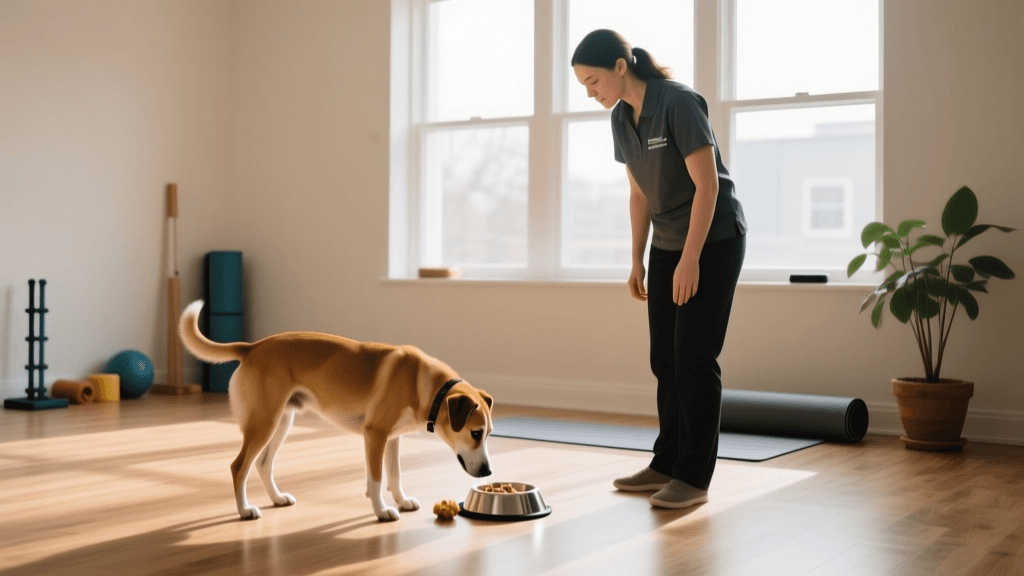
Private dog training involves a certified professional working exclusively with you and your dog, often in the comfort of your own home or in the specific outdoor environments where behavioral issues occur. This method is highly customized to your dog's unique temperament and your family's specific lifestyle goals.
Pros of Private Training
- Hyper-Customized Curriculum: If your primary goal is to stop your dog from counter-surfing, jumping on guests, or resource guarding, a private trainer can focus entirely on those specific issues rather than a generic obedience syllabus.
- Environment-Specific Learning: Dogs are contextual learners. A dog that behaves perfectly in a training facility might still bark at the mail carrier at home. Private trainers can address behaviors exactly where they happen.
- Flexible Scheduling: Private sessions can usually be scheduled at your convenience, including evenings and weekends.
- One-on-One Attention: The trainer can closely observe your body language, timing, and leash handling, providing immediate corrections and guidance to improve your training mechanics.
Cons of Private Training
- Premium Pricing: The personalized attention comes at a premium, making it a significant financial investment.
- Lack of Built-in Socialization: Unless the trainer specifically arranges controlled introductions, private sessions do not inherently provide the social exposure that group classes offer.
- Variable Trainer Quality: Because the dog training industry is largely unregulated, the quality of private trainers can vary wildly. Owners must do thorough research to find a certified, science-based professional.
Cost and Time Commitment
Private trainers typically charge between $90 and $150 per hour, with many requiring a minimum package of 3 to 5 sessions. While the upfront cost is higher, some owners find they reach their goals faster, potentially requiring fewer total weeks of instruction than a group class.
Side-by-Side Comparison Chart
To help you visualize the differences, here is a structured comparison of the two primary training modalities:
| Feature | Group Obedience Classes | Private In-Home Training |
|---|---|---|
| Average Cost | $150 - $300 per 6-week course | $90 - $150+ per individual session |
| Primary Focus | Foundational obedience, general manners | Specific behavioral modification, home manners |
| Distraction Level | High (other dogs, people, noises) | Low to Moderate (controlled by owner) |
| Socialization | Excellent for confident, friendly dogs | Requires deliberate setup by the trainer |
| Best Suited For | Puppies, well-adjusted adults, beginners | Reactive dogs, severe anxiety, busy owners |
| Schedule Flexibility | Low (fixed weekly times) | High (customized to your calendar) |
The Science of Canine Learning and Safety
Regardless of the format you choose, the methodology used by the trainer is paramount. Modern veterinary behaviorists overwhelmingly advocate for force-free, reward-based methods.
According to the ASPCA's guidelines on dog training, positive reinforcement is the most effective and humane method for teaching dogs, as it builds trust and encourages the dog to actively participate in the learning process without fear of punishment.
Furthermore, foundational obedience is a critical component of household and public safety. The Centers for Disease Control and Prevention (CDC) notes that proper training, socialization, and understanding canine body language significantly reduce the risk of dog bites. A well-trained dog is not just a joy to live with; they are a safe and integrated member of the community.
Which Option is Right for Your Dog? (Real-World Scenarios)
Scenario A: The 12-Week-Old Golden Retriever Puppy
The Verdict: Group Classes. At this age, socialization is just as critical as obedience. A puppy class will teach your Golden Retriever how to read canine body language, inhibit their bite pressure during play, and focus on you while other puppies are running around. The group environment mimics the real-world distractions they will face as they grow.
Scenario B: The 3-Year-Old Reactive Rescue
The Verdict: Private Training. If your rescue dog lunges, barks, or shuts down when they see other dogs on a leash, a group class will likely push them over their stress threshold. A private trainer can work with you in your living room and gradually introduce desensitization and counter-conditioning protocols in quiet neighborhood streets before you ever attempt a group setting.
Scenario C: The Busy Professional with a Stubborn Terrier
The Verdict: Private Training (or Day Training). If your schedule makes committing to a 7:00 PM Wednesday night class impossible, private training offers the flexibility you need. Many private trainers also offer 'day training' services, where they come to your home and train the dog for you while you are at work, followed by a 30-minute 'transfer session' to teach you how to maintain the behaviors.
Final Thoughts on Canine Education
Choosing between group classes and private dog training ultimately comes down to assessing your dog's current emotional state, your specific behavioral goals, and your household budget. For many families, a hybrid approach works best: starting with private sessions to address immediate management issues and build a foundational bond, followed by a group class to proof those behaviors around distractions. No matter which path you choose, consistency, patience, and positive reinforcement will be the true keys to unlocking your dog's full potential.
marcus-aldridge
All our authors care for dogs every day — read more of their work on the authors page.