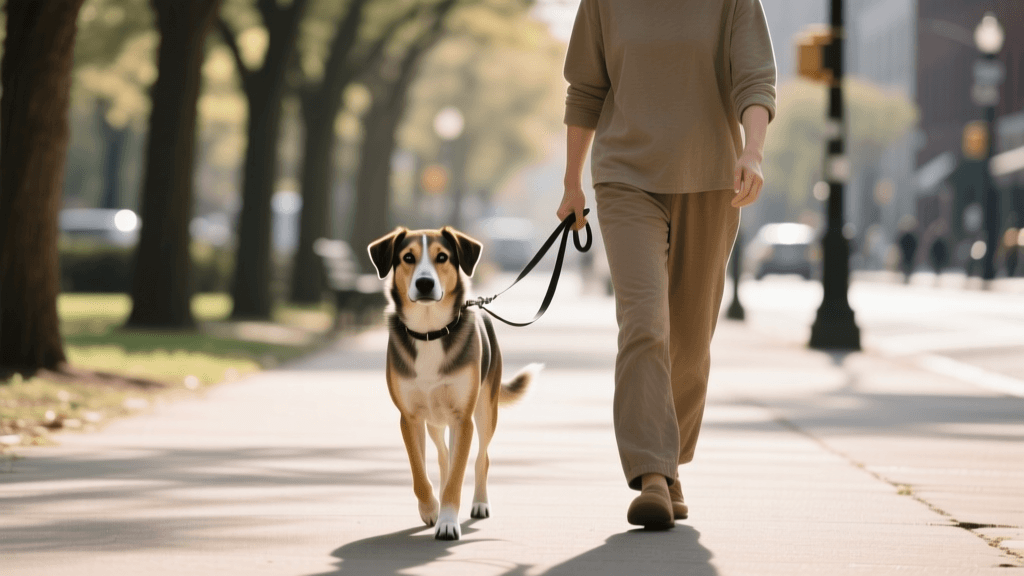
Fueling Focus: Nutrition and Treat Strategies for Dog Training
Discover how to balance your dog's diet, manage treat calories, and support joint health to maintain peak focus during obedience and agility training.
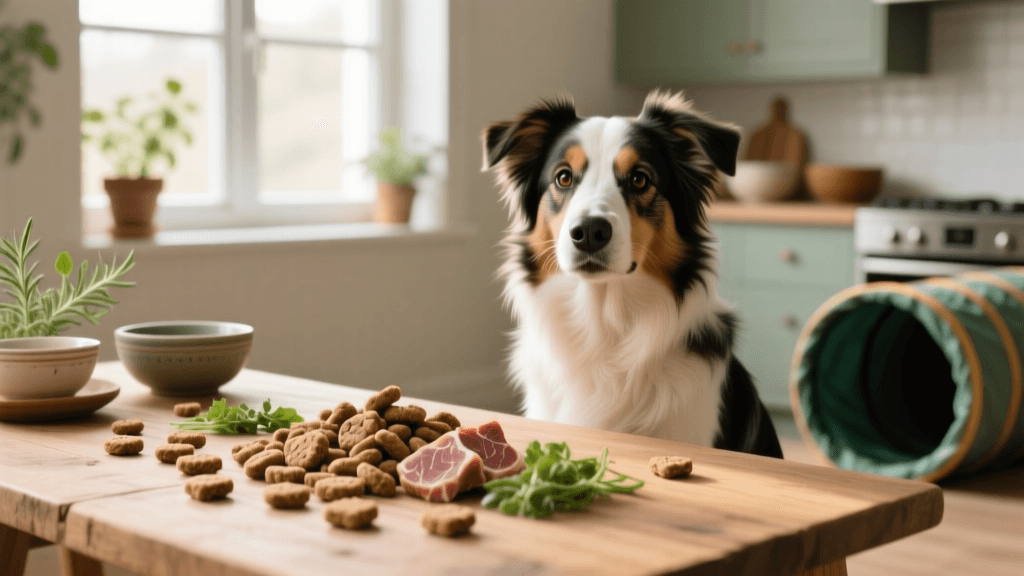
When we think of dog training, we often picture leashes, clickers, and training pads. However, one of the most critical, yet frequently overlooked, components of a successful training regimen is nutrition. Whether you are shaping basic obedience behaviors like 'sit' and 'stay' or running high-intensity agility courses, your dog's brain and body require premium fuel. In this deep dive, we explore the intersection of canine nutrition and behavioral conditioning, providing actionable strategies to manage treat calories, support joint health, and optimize cognitive focus.
The Hidden Caloric Cost of Dog Training
It is incredibly easy to overfeed a dog during training sessions. A single commercial training treat might seem insignificant, but when you are doing fifty repetitions of a 'recall' command, those calories compound rapidly. According to the Tufts Cummings School of Veterinary Nutrition, treats and table scraps should never account for more than 10% of a dog's total daily caloric intake. Exceeding this threshold not only leads to canine obesity—which puts immense stress on the joints and cardiovascular system—but also unbalances the meticulously formulated vitamins and minerals present in their primary diet.
For a highly active dog in training, the motivation to work for food is paramount, but the physical cost of high-value rewards can be steep. A typical commercial soft treat contains between 3 to 5 calories per piece. If you use 50 treats in a weekend of intensive workshops, you have introduced 150 to 250 extra calories. Over a month, this surplus can result in unwanted weight gain, ultimately slowing your dog down and reducing their drive.
Calculating Your Dog's Training Calorie Budget
To train effectively without compromising your dog's waistline, you must calculate their daily caloric budget and allocate a specific 'training allowance.' Start by determining your dog's Resting Energy Requirement (RER). The standard veterinary formula is: RER = 70 x (Body Weight in kg)^0.75.
For example, a 30-pound (13.6 kg) Border Collie has an RER of approximately 515 calories per day. To find the Maintenance Energy Requirement (MER), you multiply the RER by an activity factor. For a highly active, working, or agility-training dog, the multiplier is typically between 2.0 and 5.0 depending on the intensity. Let us use a moderate multiplier of 2.5, bringing the daily requirement to roughly 1,287 calories. Following the 10% rule outlined by the WSAVA Global Nutrition Committee, your Border Collie's maximum daily treat budget is 128 calories. If your chosen training treat is 3 calories each, you can safely use about 42 treats per day before you must dip into their regular meal kibble.
High-Value vs. Low-Value Treats: A Nutritional Breakdown
Not all training scenarios require the same level of reward. In behavioral conditioning, 'high-value' treats are reserved for high-distraction environments or complex trick teaching, while 'low-value' treats are used for repetitive obedience drills. Below is a comparison chart to help you strategize your treat pouch.
| Treat Type | Caloric Density | Est. Cost | Best Training Use | Examples |
|---|---|---|---|---|
| Regular Kibble | Low (3-5 cal/piece) | $0.02 / piece | Repetitive drills, familiar environments, luring | Purina Pro Plan Sport, Royal Canin |
| Commercial Soft Chews | Medium (3-5 cal/piece) | $0.10 / piece | Basic obedience, leash walking, moderate distraction | Zuke's Mini Naturals, Blue Buffalo Bits |
| Freeze-Dried Liver | High (5-8 cal/piece) | $0.15 / piece | Recall training, agility contact zones, high distraction | Stewart Pro-Treat, K9 Natural |
| Boiled Chicken Breast | Medium (4 cal/gram) | $0.05 / gram | Reactive dog counter-conditioning, complex shaping | Homemade (unseasoned, shredded) |
Supporting Joint Health During Agility and Obedience
Nutrition in training is not solely about calories; it is also about structural support. Repetitive obedience behaviors like the 'sit-stand-sit' drill, or the explosive jumping required in agility and flyball, place tremendous shear force on a dog's joints. According to the American Kennel Club (AKC), proactive joint care is essential for working and sporting dogs to prevent early-onset osteoarthritis.
If your training regimen involves high-impact activities, consider integrating a veterinary-recommended joint supplement into your dog's daily nutrition. Look for products containing Glucosamine Hydrochloride, Chondroitin Sulfate, and MSM. A premium product like Dasuquin Advanced (costing approximately $60 for a 84-count bottle) provides these ingredients alongside ASU (Avocado/Soybean Unsaponifiables), which helps inhibit cartilage breakdown. For medium to large dogs, the initial loading dose is usually two capsules daily for the first four to six weeks, followed by a maintenance dose of one capsule daily. You can open the capsules and sprinkle the flavored powder directly over your dog's morning meal or mix it into a homemade training paste.
Additionally, Omega-3 fatty acids, specifically EPA and DHA, are potent anti-inflammatories that support joint lubrication and cognitive function. Adding a pump of Nordic Naturals Omega-3 Pet (approx. $25 per bottle) to your dog's dinner provides essential fats that keep their mind sharp for learning and their joints supple for physical execution.
Hydration and Cognitive Focus
A dehydrated dog is a distracted dog. Even mild dehydration (as little as 2% loss of body water) can significantly impair cognitive function, memory retention, and physical stamina. During long training sessions, especially in outdoor environments, offering plain water might not be enough to entice a high-drive dog to pause and drink.
Actionable Tip: Create a 'bait water' solution. Mix low-sodium chicken or beef bone broth with water at a 1:4 ratio. Bring this in a portable squeeze bottle to your training sessions. The strong olfactory stimulus encourages the dog to hydrate rapidly between reps. Ensure the broth contains absolutely no onions, garlic, or xylitol, as these are highly toxic to canines.
Timing Your Meals for Peak Performance
When you feed your dog is just as important as what you feed them. Training a dog on a completely full stomach can lead to sluggishness and poor food drive. Conversely, training a dog that has not eaten in 12 hours can result in frustration, barking, and an inability to focus.
Pro Tip: To prevent Gastric Dilatation-Volvulus (GDV), commonly known as bloat, never engage your dog in rigorous agility or high-intensity fetch training within one hour before or two hours after a large meal. Use small, easily digestible training treats during this window instead.
For optimal focus, feed your dog half of their daily meal 2.5 hours before your training session. This allows for initial digestion and stabilizes blood sugar levels. Use the remaining half of their daily kibble allowance as your 'low-value' training rewards during the session itself. This 'Subtract and Substitute' method ensures your dog works for their daily calories without exceeding their nutritional limits.
DIY High-Value Training Treat Recipe
Commercial treats can be expensive and often contain unnecessary fillers. Making your own high-value rewards allows you to control the ingredients and caloric density.
Dehydrated Sweet Potato Chews
- Ingredients: 2 large organic sweet potatoes (approx. $3.00).
- Preparation: Wash and slice the potatoes into 1/4-inch thick rounds or strips. There is no need to peel them, as the skin contains valuable fiber.
- Cooking: Place on a wire rack in a dehydrator at 135°F for 8-10 hours, or in an oven at its lowest setting (usually 170°F) for 3-4 hours until chewy but not brittle.
- Nutritional Benefit: Rich in beta-carotene and complex carbohydrates, providing a slow, sustained energy release for endurance training like tracking or long-distance obedience.
Conclusion
Mastering dog training requires looking beyond the mechanics of the leash and the clicker. By meticulously calculating your dog's caloric budget, strategically deploying high- and low-value rewards, and proactively supplementing for joint and cognitive health, you set your canine partner up for success. Nutrition is the silent foundation of behavioral conditioning; when you fuel your dog correctly, focus, endurance, and joy will naturally follow.
tom-renshaw
All our authors care for dogs every day — read more of their work on the authors page.