Optimizing Dog Nutrition and Treats For Obedience Training
Discover how to balance your dog's diet and training treats to maintain peak focus and health. Learn portion control, timing, and top treat choices.
The Intersection of Canine Nutrition and Behavioral Training
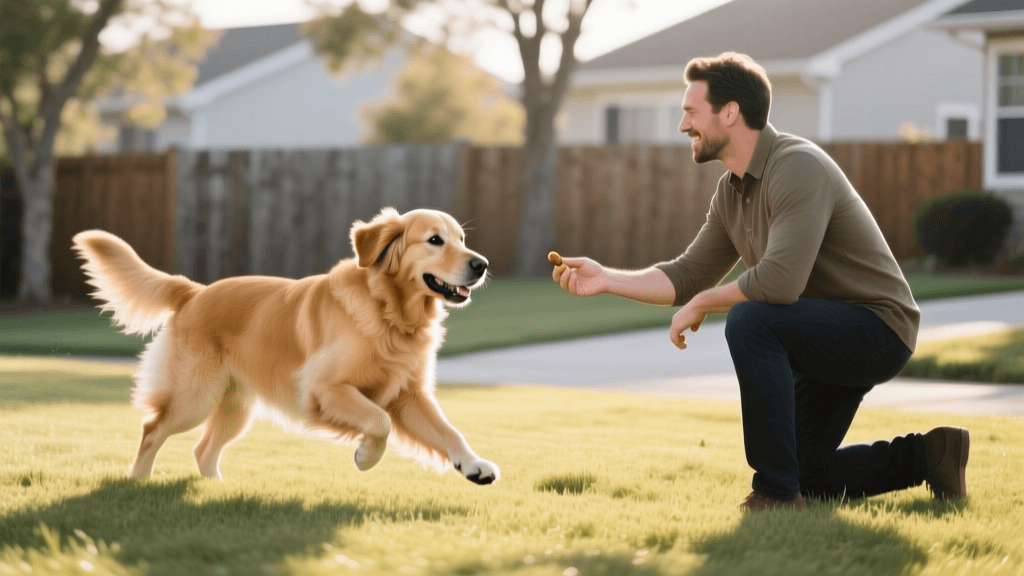
When we think of dog training, we often picture leashes, clickers, and endless repetitions of 'sit' and 'stay.' However, the foundation of any successful behavioral conditioning or obedience program lies much deeper: in your dog's gastrointestinal tract and cellular metabolism. Training is not merely a physical activity; it is an intense cognitive workout. A dog learning a new recall command or navigating an agility course is burning significant mental energy, and the fuel you provide directly dictates their focus, memory retention, and stamina.
From a health and nutrition perspective, treating your dog during training requires a delicate balancing act. You must provide high-value reinforcement to shape behaviors while strictly managing caloric intake to prevent obesity—a condition that plagues over 50% of pet dogs and severely limits their lifespan and joint health. In this deep dive, we will explore how to optimize your dog's diet, time their meals for peak cognitive performance, and select the right nutritional supplements to turn your pup into an eager, focused learning machine.
Calculating the 'Treat Budget' to Prevent Obesity
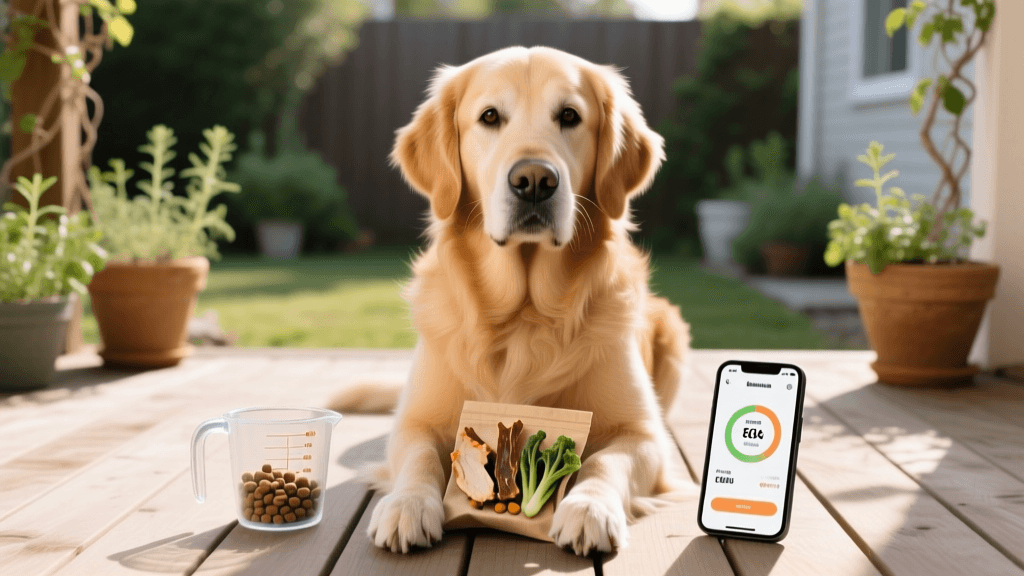
The most common mistake owners make during intensive training phases is overfeeding. When you are rewarding a dog every three seconds for loose-leash walking, those calories compound rapidly. According to the Tufts Cummings School of Veterinary Medicine, treats and training rewards should never exceed 10% of your dog's total daily caloric intake. The remaining 90% must come from a complete and balanced commercial diet or a vet-approved homemade recipe.
Let us break down the actionable math for a moderately active 30-pound (13.6 kg) adult dog. Using the standard Resting Energy Requirement (RER) formula (70 x (body weight in kg)^0.75) multiplied by a typical activity factor of 1.6, this dog requires approximately 580 calories per day to maintain a lean body condition score (BCS) of 4/9.
- Total Daily Calories: 580 kcal
- Maximum Treat Allowance (10%): 58 kcal
- Remaining Diet Calories (90%): 522 kcal
If your chosen training treat contains 5 calories per piece, your absolute maximum for the day is 11 treats. For high-volume clicker training sessions, this budget is exhausted in minutes. To circumvent this, professional trainers utilize a portion of the dog's daily kibble allotment for low-distraction environments, reserving the high-calorie 'jackpot' treats for breakthrough moments or high-distraction environments.
High-Value vs. Low-Value Treats: A Nutritional Breakdown
The American Kennel Club (AKC) emphasizes that the palatability of a treat dictates its effectiveness as a behavioral reinforcer. However, nutritional density varies wildly. Below is a structured comparison chart to help you build a strategic training treat toolkit.
| Treat Type | Calories per Piece | Cost Estimate | Best Training Use | Nutritional Note |
|---|---|---|---|---|
| Zuke's Mini Naturals | ~3 kcal | $0.80/oz | Repetitive obedience, heel work | Contains DHA/EPA for brain health |
| Freeze-Dried Beef Liver | ~1 kcal | $1.50/oz | High-distraction recall, vet visits | Pure protein, extremely high palatability |
| Boiled Chicken Breast | ~4 kcal/cube | $0.40/oz | Shaping new, complex behaviors | Lean protein, low fat, easily digestible |
| Daily Kibble | ~3-4 kcal | $0.20/oz | Low-distraction luring, capturing | Balanced diet staple, prevents dietary upset |
| String Cheese | ~20 kcal/stick | $0.30/stick | Emergency high-value, jackpot rewards | High fat and sodium, use very sparingly |
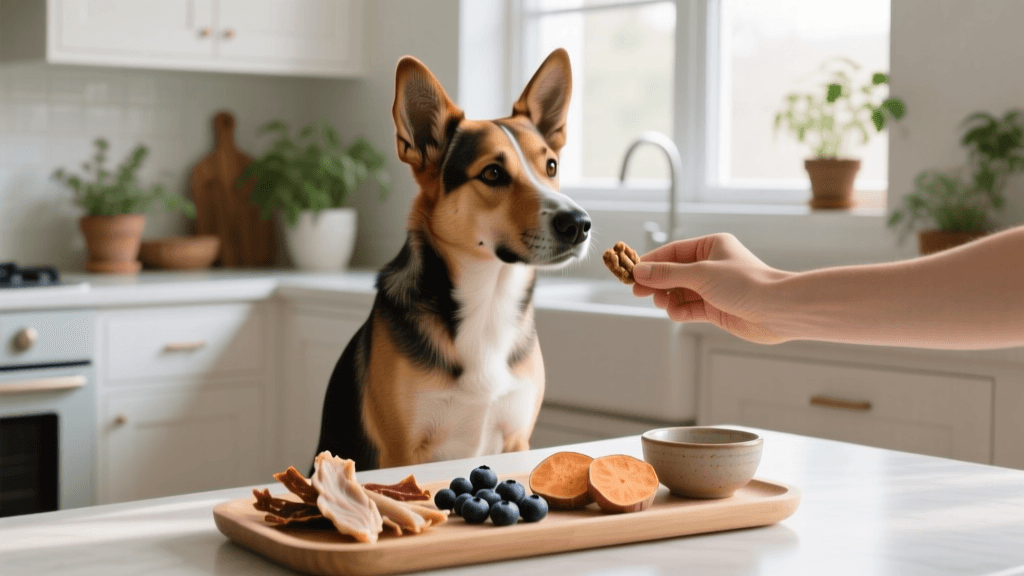
By keeping freeze-dried liver (which can easily be broken into pea-sized, sub-1-calorie crumbs) in your treat pouch, you can deliver 30 to 40 high-value reinforcements without blowing your dog's daily caloric budget. Conversely, reserve boiled chicken for teaching entirely new concepts where the dog's cognitive load is highest and motivation must be sustained.
Timing Meals for Maximum Cognitive Focus
Just as humans struggle to learn complex mathematics immediately after a heavy Thanksgiving dinner, dogs experience a postprandial dip in cognitive alertness. Digestion requires significant blood flow and parasympathetic nervous system activation (the 'rest and digest' state), which is counterproductive to the sympathetic arousal needed for active training.
For optimal behavioral conditioning, schedule your most demanding training sessions when your dog is in a mildly fasted state—typically 4 to 6 hours after their last meal. This creates a natural biological drive to work for food without crossing the line into starvation or frustration, which can cause stress-induced shutdowns or aggressive resource guarding.
Actionable Schedule for a Twice-Daily Fed Dog:
- 7:00 AM: Morning meal (50% of daily kibble).
- 8:00 AM: Rest and digest / morning walk (sniffari for mental enrichment).
- 12:00 PM - 1:00 PM: Peak cognitive training session using the remaining 50% of daily kibble and low-value treats.
- 5:00 PM: Evening meal.
- 7:00 PM: Light trick training or socialization using high-value, low-calorie treats (e.g., freeze-dried liver).
Brain-Boosting Supplements for Complex Trick Training
If you are engaged in advanced obedience, agility, or service dog task training, your dog's brain requires specific micronutrients to support neuroplasticity and reduce neuro-inflammation. The WSAVA Global Nutrition Committee acknowledges the role of targeted supplementation in managing specific health and cognitive conditions, provided they are used alongside a balanced diet.
1. Omega-3 Fatty Acids (DHA and EPA)
Docosahexaenoic acid (DHA) is a primary structural component of the canine brain. While puppy foods are heavily fortified with DHA to support early development, adult dogs benefit immensely from continued supplementation, especially when learning complex new tasks. Nordic Naturals Omega-3 Pet is a highly bioavailable, triglyceride-form fish oil. For a 30-pound dog, the recommended dosage is approximately one-half teaspoon (yielding roughly 400mg of combined EPA/DHA) daily. Cost: ~$0.40 per day.
Furthermore, Eicosapentaenoic acid (EPA) works synergistically with DHA by modulating inflammatory pathways in the central nervous system. When a dog is frustrated during a difficult shaping session, mild neuro-inflammation can occur, hindering memory consolidation. EPA helps mitigate this response, ensuring your dog remains resilient and ready for the next training bout.
2. Medium-Chain Triglyceride (MCT) Oil
MCT oil bypasses standard lymphatic digestion and is transported directly to the liver, where it is converted into ketones. Ketones serve as an alternative, highly efficient fuel source for the brain, crossing the blood-brain barrier rapidly. Adding 1/4 teaspoon of unflavored, hexane-free MCT oil (such as Sports Research MCT Oil) to your dog's morning meal can enhance sustained focus during midday training sessions. Note: Introduce MCT oil very slowly over a two-week period to avoid osmotic diarrhea.
Managing Digestive Upset During Intensive Training
A sudden influx of novel proteins from various training treats can disrupt the canine gut microbiome, leading to soft stools or colitis. A dog experiencing gastrointestinal discomfort will not learn effectively; their focus will shift from the task at hand to their visceral distress.
To mitigate this, adhere to the 'rule of three' during any single training week: do not introduce more than three new treat ingredients. Additionally, consider incorporating a canine-specific probiotic such as Purina Pro Plan Veterinary Diagnostics FortiFlora (Enterococcus faecium SF68) into your dog's diet. This specific strain has been clinically shown to promote intestinal microflora balance, ensuring that your dog's digestive system can handle the variable diet inherent in high-volume reward-based training.
Signs of stress colitis include frequent, small-volume bowel movements, mucus in the stool, or straining. If you observe these symptoms, immediately pause high-value treat training. Revert exclusively to your dog's baseline kibble and incorporate a 24-hour gastrointestinal rest period, supplemented with bone broth (ensure it is onion- and garlic-free) to maintain hydration. Only resume variable reinforcement schedules once stool quality normalizes.
Conclusion
Mastering the intersection of health, nutrition, and dog training transforms you from a simple handler into a holistic canine athlete coach. By strictly calculating your treat budget, strategically timing meals to leverage natural biological drives, and fueling your dog's brain with targeted Omega-3s and MCTs, you set the stage for rapid learning and enduring behavioral health. Remember, a well-nourished dog is not just a healthier dog—they are a more attentive, resilient, and joyful training partner.
tom-renshaw
All our authors care for dogs every day — read more of their work on the authors page.