Fueling Focus: Balancing Training Treats and Canine Nutrition
Learn how to balance high-value training treats with your dog's daily caloric needs. Discover healthy rewards, portion control, and nutrition tips.
The Hidden Cost of Training Treats
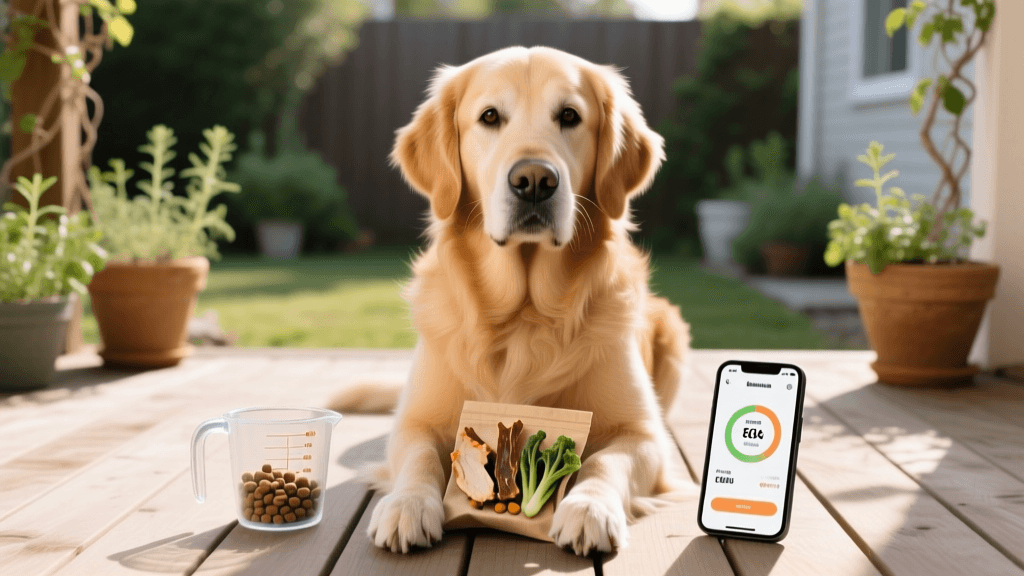
When embarking on a journey of obedience training, behavioral conditioning, or trick teaching, food remains the most powerful primary reinforcer available to dog owners and professional trainers alike. However, the frequent repetition required to shape complex behaviors often leads to an unintended consequence: caloric overload. According to the Cornell University College of Veterinary Medicine, over 50% of dogs in the United States are classified as overweight or obese. This epidemic not only shortens lifespans but also exacerbates joint issues, cardiovascular strain, and metabolic disorders.
As responsible handlers, we must view training treats not merely as rewards, but as a critical component of our dog's daily nutritional profile. In this deep dive, we will explore how to optimize your training sessions for maximum focus and motivation while strictly adhering to canine health and nutrition guidelines. By understanding caloric budgets, treat composition, and behavioral psychology, you can build a highly motivated dog without compromising their physical health.
The Mathematics of Motivation: Calculating the Caloric Budget
Before opening a bag of treats, you must understand your dog's daily caloric allowance. Veterinary nutritionists universally recommend the '10% Rule,' which states that treats and supplements should never exceed 10% of a dog's total daily caloric intake. The remaining 90% must come from a complete and balanced commercial diet or a veterinary-formulated home-cooked meal to prevent severe micronutrient deficiencies.
To calculate your dog's specific treat budget, you first need to determine their Resting Energy Requirement (RER). The standard veterinary formula is: RER = 70 x (Body Weight in kg)^0.75. Once you have the RER, multiply it by an activity factor (typically 1.6 for neutered adult dogs) to find their Maintenance Energy Requirement (MER). For example, a highly active 20 lb (9 kg) Border Collie might have a MER of roughly 700 calories per day. Under the 10% rule, this dog is allotted exactly 70 calories per day for training rewards.
Experts at the Tufts Cummings Veterinary Medical Center emphasize that many commercial training treats contain 20 to 40 calories per piece. Feeding just three of these treats during a 15-minute session can instantly blow past the 10% threshold, forcing you to reduce their nutritionally balanced dinner and potentially leading to malnutrition over time.
High-Value vs. Low-Value Treats: A Nutritional and Financial Breakdown
Not all training scenarios require the same level of motivation. 'Low-value' treats are best for repetitive shaping in low-distraction environments, while 'high-value' treats are reserved for high-distraction environments, recall training, or counter-conditioning. Below is a comparison of popular training treats, analyzing their caloric density, primary ingredients, and cost-effectiveness.
| Brand / Product | Calories per Treat | Primary Protein / Base | Est. Cost per Ounce | Best Training Use Case |
|---|---|---|---|---|
| Zuke's Mini Naturals (Chicken) | 3 kcal | Chicken / Rice | $0.85 | High-frequency obedience reps |
| Stewart Freeze-Dried Beef Liver | 5 kcal | 100% Beef Liver | $2.60 | High-distraction environments |
| Charlie Bear Crunchies | 3 kcal | Wheat / Cheddar | $0.45 | Low-value shaping sessions |
| Honest Kitchen Pea Flakes | 2 kcal | Whole Peas | $1.10 | Puppies and weight management |
By selecting treats like Zuke's Mini Naturals or breaking larger treats into smaller pieces, you can deliver 20 to 30 rewards within a single session while keeping the total caloric impact under 40 kcal. A standard $15 bag of Zuke's yields hundreds of 1-gram pieces, making it an incredibly cost-effective tool for professional-level obedience conditioning.
Actionable Strategies for Healthy, High-Frequency Training
The 'Kibble Subtraction' Method
The most nutritionally sound method for training food-driven dogs is to use their daily kibble allowance. Each morning, measure out your dog's total daily food volume. Before putting their bowl down, subtract 10% to 15% of the kibble by volume and place it in your training treat pouch. This guarantees that your dog is working for their balanced, species-appropriate nutrition, entirely eliminating the risk of empty-caloric weight gain. For dogs that are not highly food-motivated by plain kibble, you can increase the palatability by 'marinating' the kibble. Place the portioned kibble in a ziplock bag with a tablespoon of low-sodium chicken bone broth or a dash of salmon oil, and let it sit in the refrigerator overnight.
Timing, Measurements, and Portion Control
In behavioral conditioning, the timing of the reward is often more important than the size of the reward. Dogs do not calculate the volume of food they receive; they react to the immediate dopamine release triggered by the marker word (like 'Yes!' or a clicker). Therefore, treats should be broken down into pea-sized pieces, weighing approximately 1 gram. You must deliver the reward within 0.5 to 1 second of the marker word to properly reinforce the neural pathway. Using a dedicated treat pouch with a magnetic closure allows for rapid, fumble-free access, keeping the dog's focus entirely on the task rather than your hands.
Real Food Alternatives and Hydration
For advanced trick teaching or intense agility sessions, real food often yields superior drive. Boiled, shredded chicken breast is an exceptional high-value reward. One ounce of plain boiled chicken breast contains roughly 46 calories and costs about $0.50 per training session. However, because commercial treats and freeze-dried meats are incredibly dry, they rapidly absorb saliva and can cause canine dehydration, which directly impairs cognitive focus and learning retention. Always carry a collapsible water bowl and offer hydration breaks every 10 to 15 minutes during high-treat training sessions.
Variable Reinforcement Schedules: Doing More With Less
From a psychological and nutritional standpoint, continuous reinforcement (rewarding every single successful repetition) is only necessary during the initial acquisition phase of a new behavior. Once a dog understands the command, you must transition to a 'variable ratio schedule of reinforcement'—essentially, a slot-machine effect where the dog only receives a food reward on the 2nd, 5th, or 8th successful rep, while other reps are rewarded with verbal praise or a quick game of tug.
This psychological shift not only builds incredible reliability and drive, as the dog works harder in anticipation of the unpredictable jackpot reward, but it also drastically reduces your overall treat expenditure and the dog's caloric intake. The American Kennel Club (AKC) highly recommends phasing out continuous food rewards to prevent dogs from becoming 'bribed' into obedience, ensuring they respond to cues out of habit and partnership rather than pure transactional hunger.
Managing Food Allergies and Sensitive Stomachs During Training
High-frequency training can wreak havoc on a dog with a sensitive gastrointestinal tract or environmental food allergies. If your dog suffers from chronic yeast infections, itchy paws, or loose stools, you must audit your training treat ingredient panels. Common allergens like chicken, beef, dairy, and wheat are prevalent in commercial treats. For these dogs, invest in single-ingredient, novel-protein freeze-dried treats. Brands like Stewart or Vital Essentials offer freeze-dried rabbit, venison, or even alligator treats. While the cost per ounce is higher (often exceeding $3.50/oz), the treats are so potent that you only need a fraction of a piece to maintain high drive, keeping the overall cost and caloric footprint manageable while protecting the dog's immune and digestive health.
Conclusion
Effective dog training should never come at the expense of your dog's physical well-being. By treating food rewards as a calculated component of your dog's daily nutritional intake rather than an afterthought, you can achieve elite levels of obedience and behavioral conditioning without contributing to the canine obesity crisis. Utilize the 10% rule, embrace the kibble subtraction method, leverage variable reinforcement schedules, and always prioritize hydration. When you align behavioral psychology with sound veterinary nutrition, you cultivate a dog that is not only sharp, focused, and highly trained, but also vibrantly healthy for years to come.
jonas-cole
All our authors care for dogs every day — read more of their work on the authors page.