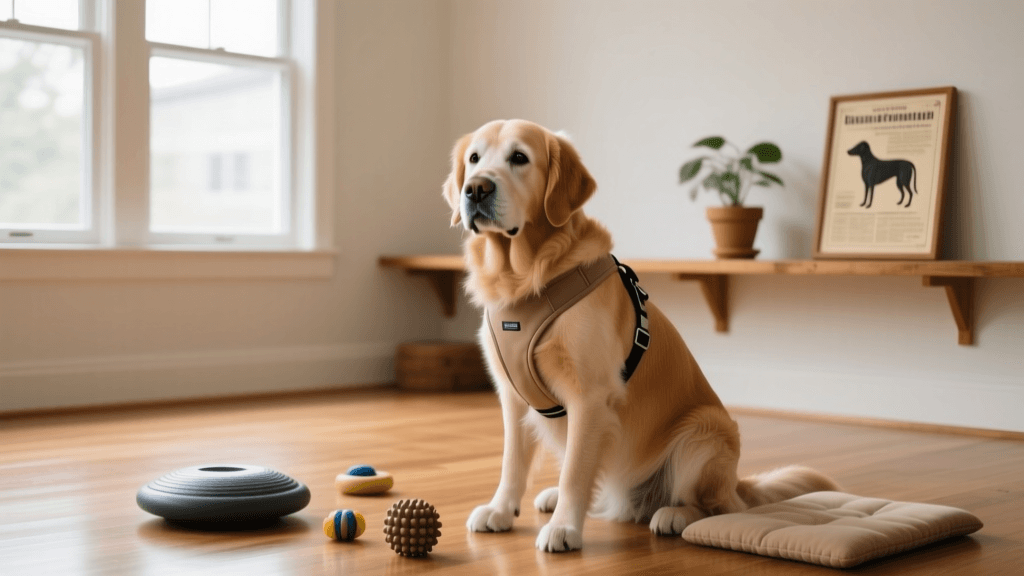
Nutrition For Dog Training: High Value Treats And Calorie Control
Learn how to balance high-value training treats with your dog's daily nutrition to maintain focus, prevent obesity, and optimize cognitive function.
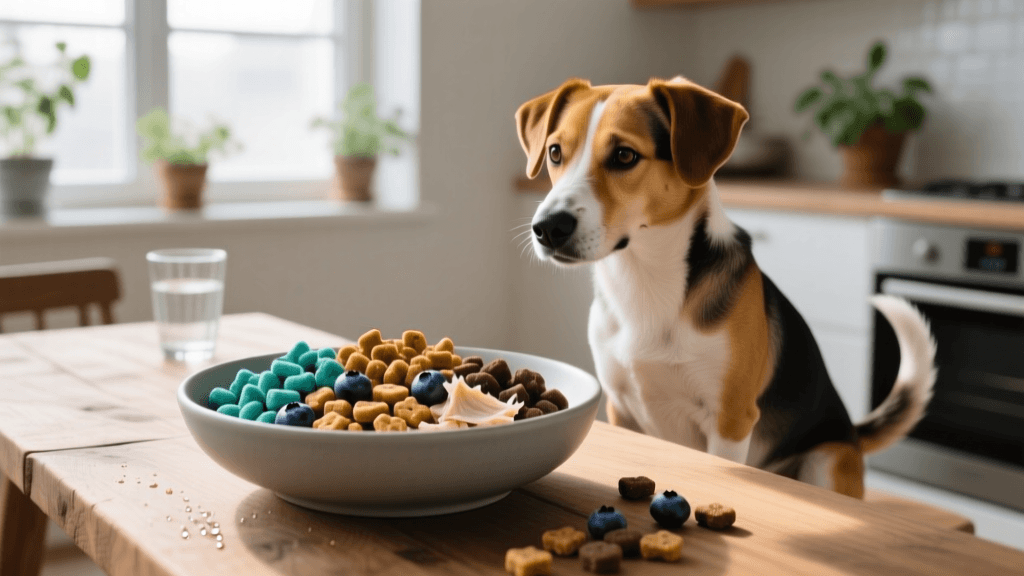
The Intersection of Canine Nutrition and Cognitive Focus
When embarking on a journey of obedience training, behavioral conditioning, or trick teaching, most dog owners focus heavily on the mechanics of operant conditioning, timing, and environmental management. However, the physiological foundation of learning—canine nutrition—is frequently overlooked. Dog training is an intricate dance of communication and motivation, and the fuel you provide your dog directly dictates their ability to focus, retain information, and perform under pressure. Understanding the deep connection between a dog's diet and their cognitive function is essential for any owner looking to elevate their training outcomes while safeguarding their pet's long-term health.
The Brain's Energy Demands During Learning
The canine brain is a metabolically demanding organ. During intensive learning sessions, such as shaping complex tricks, navigating agility courses, or undergoing desensitization for leash reactivity, a dog's brain consumes significant amounts of glucose. Furthermore, synaptic plasticity—the biological mechanism by which memories and learned behaviors are formed and reinforced—relies heavily on specific dietary building blocks. Omega-3 fatty acids, particularly DHA (docosahexaenoic acid), are critical for maintaining the structural integrity of neuronal membranes and facilitating rapid neurotransmission. Research published via the National Institutes of Health (NIH) highlights that diets rich in DHA significantly enhance cognitive development, memory retention, and overall learning capabilities in dogs. Therefore, a dog's baseline diet directly impacts their trainability, focus, and resilience to mental fatigue.
The 10% Rule: Managing Caloric Intake During Heavy Training
The most common pitfall in reward-based training is the inadvertent overfeeding of treats, which rapidly leads to canine obesity. Obesity not only causes severe orthopedic issues and metabolic disorders but also induces systemic inflammation that can cause lethargy, directly hindering training progress and reducing a dog's willingness to work. To combat this, veterinary nutritionists universally advocate for the 10% Rule. According to the Tufts University Cummings Veterinary Medical Center and the World Small Animal Veterinary Association (WSAVA), treats, chews, and training rewards should never constitute more than 10% of a dog's total daily caloric intake. The remaining 90% must come from a complete and balanced commercial or home-cooked diet to prevent severe micronutrient deficiencies and maintain optimal organ function.
Calculating Your Dog's Training Treat Budget
Let us apply this guideline to a practical, real-world scenario. Consider a 50-pound moderately active dog, such as a Border Collie or a Labrador Retriever, requiring approximately 900 calories per day to maintain an ideal body condition score. Under the 10% Rule, this dog has a daily treat budget of exactly 90 calories. If you are using standard commercial training treats that average 5 calories per piece, your maximum allowance is 18 treats per day. For a heavy training weekend involving agility classes, public socialization outings, and intensive recall practice, 18 rewards may be entirely insufficient to maintain high-value motivation. This caloric bottleneck requires strategic nutritional planning, precise treat sizing, and an understanding of reward hierarchies.
Structuring Your Training Treat Hierarchy
To maximize your daily caloric budget while maintaining peak motivation, professional trainers utilize a treat hierarchy. This involves categorizing rewards by their palatability, aromatic profile, and caloric density, deploying them strategically based on environmental distraction levels and the difficulty of the behavior being conditioned. Below is a structured comparison chart to help you categorize your training arsenal:
| Value Tier | Examples | Caloric Density | Best Use Case |
|---|---|---|---|
| Low Value | Daily Kibble, Dry Biscuits, Carrots | 1-3 kcal/piece | Known behaviors, low-distraction environments, high-repetition shaping. |
| Medium Value | Zuke's Mini Naturals, Freeze-Dried Liver, Commercial Soft Chews | 3-5 kcal/piece | Learning new tricks, moderate distraction environments, basic obedience. |
| High Value | Boiled Chicken Breast, String Cheese, Hot Dogs, Beef Tripe | 15-40 kcal/oz | High-stress environments, reactivity counter-conditioning, emergency recall. |
By reserving high-value, calorie-dense proteins exclusively for the most challenging training scenarios, you preserve the dog's drive and prevent them from becoming satiated too early in the session.
The Kibble Deduction Method for Weight Management
To ensure you never exceed the 10% threshold, implement the Kibble Deduction Method. Each morning, measure out your dog's daily treat allowance (e.g., 90 calories worth of high and medium-value treats) and place it in a dedicated training pouch. Then, physically remove an equivalent caloric amount of kibble from their daily meal ration. If your dog's kibble contains 300 calories per cup, and you plan to use 90 calories in treats, you must reduce their dinner bowl by roughly one-third of a cup. This simple mathematical adjustment allows you to conduct extensive, multi-hour training sessions without contributing to unwanted weight gain.
Functional Nutrition for Anxious or Hyperactive Learners
When training dogs with anxiety, fear, or severe hyperactivity, standard treats might not be enough if the dog's sympathetic nervous system (the fight-or-flight response) overrides their digestive drive. A dog in a state of high arousal will often refuse even the most premium treats. In these cases, behavioral conditioning must be supported by functional nutrition designed to lower baseline stress levels. Ingredients such as L-theanine (an amino acid found in green tea leaves), L-tryptophan, and hydrolyzed milk proteins have been clinically shown to promote relaxation without causing sedation. Incorporating specialized supplements or veterinary diets, such as Purina Pro Plan Calming Care or Royal Canin Veterinary Diet Calm, can significantly improve a reactive dog's threshold, allowing them to remain engaged and receptive to operant conditioning during desensitization exercises.
Actionable Meal-Prep Strategies for Heavy Training Days
Preparing your training rewards with the same precision as a human athlete's meal prep is crucial for success. Follow this structured list to optimize your training nutrition:
- Calculate and Portion: Determine your dog's daily caloric needs using a WSAVA-approved calculator, isolate the 10% treat budget, and portion it out the night before.
- Prepare High-Value Proteins: Boil boneless, skinless chicken breasts in plain water. Once cooled, dice the meat into pea-sized pieces. This ensures the dog receives the aromatic reward without the caloric burden of large chunks.
- Utilize Moisture: Mix low-sodium bone broth with your dog's kibble and freeze it in a Kong toy. This provides a high-value, low-calorie enrichment activity that promotes licking, a behavior proven to release endorphins and soothe anxious dogs.
- Prioritize Hydration: High-protein and high-sodium treats (like jerky or cheese) drastically increase thirst. Dehydration leads to rapid cognitive fatigue and poor decision-making. Always carry a collapsible bowl and fresh water to every training session, offering hydration breaks every 15 minutes.
Conclusion: Fueling the Mind and Body
Effective dog training extends far beyond the mechanics of a clicker or a leash; it is deeply rooted in the biological and nutritional well-being of the animal. By respecting the 10% rule, strategically deploying a treat hierarchy, and supporting cognitive function with targeted nutrients like DHA and L-theanine, you set your dog up for success. Nutrition is not merely a matter of maintaining physical health; it is the very fuel that powers your dog's focus, resilience, and willingness to learn. Approach your training nutrition with the same dedication as your conditioning protocols, and you will unlock a higher level of communication and partnership with your canine companion.
priya-sutaria
All our authors care for dogs every day — read more of their work on the authors page.