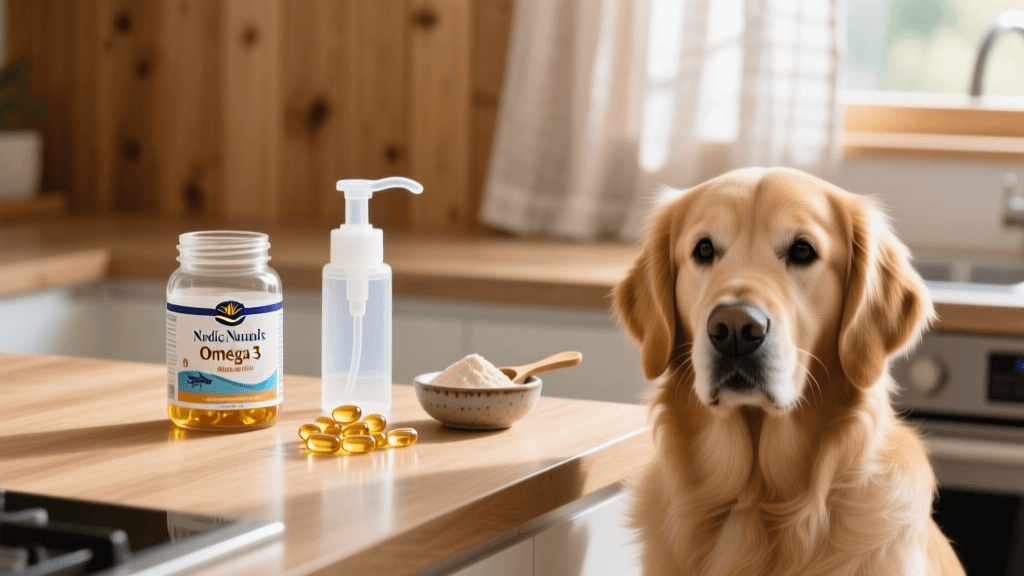
Top Omega-3 Fish Oil Pumps & Storage Hacks for Dogs in 2026
Discover the best ways to add Omega-3 fish oil to your dog's daily meals in 2026. Compare pumps, capsules, and powders, plus essential storage hacks.
Transforming Your Dog's Daily Routine with Omega-3 Fatty Acids
As pet parents, we are constantly looking for ways to optimize our dogs' daily routines, from enriching their morning walks to upgrading their mealtime experiences. In 2026, one of the most impactful additions you can make to your dog's daily regimen is a high-quality Omega-3 fatty acid supplement. Unlike humans, dogs cannot synthesize Omega-3s naturally in their bodies. They must acquire these essential nutrients—specifically Eicosapentaenoic Acid (EPA) and Docosahexaenoic Acid (DHA)—through their diet. Whether you are managing a senior dog's stiff joints, trying to soothe a rescue pup's itchy skin, or simply promoting long-term cognitive health, integrating Omega-3s into your daily routine is a game-changer.
However, the practical reality of administering fish oil can be messy, confusing, and prone to costly mistakes. Liquid pumps leak, capsules get spat out, and improperly stored oils turn rancid, losing their health benefits entirely. In this comprehensive guide, we will break down exactly how to choose the right format, store it safely, and seamlessly integrate it into your dog's daily feeding schedule this year.
The Science of EPA and DHA in Canine Health
Before diving into the logistics of pumps and capsules, it is vital to understand why these fatty acids are non-negotiable for your dog's well-being. According to the American Kennel Club (AKC), fish oil is one of the most highly recommended supplements by veterinarians due to its potent anti-inflammatory properties. EPA primarily targets joint health and reduces systemic inflammation, making it a cornerstone for managing canine osteoarthritis. DHA, on the other hand, is crucial for neurological development in puppies and cognitive maintenance in aging dogs.
While many commercial kibbles claim to contain Omega-3s, the extrusion process used to make dry dog food often degrades these delicate fats. Furthermore, the Omega-3s in kibble are frequently derived from plant sources like flaxseed, which provide Alpha-Linolenic Acid (ALA). Dogs have a notoriously poor conversion rate of ALA to the usable EPA and DHA forms. Therefore, supplementing with marine-based oils (like wild-caught salmon, sardine, or anchovy oil) remains the gold standard for daily canine nutrition in 2026.
Pumps vs. Capsules vs. Chews: Which Format Fits Your Routine?
Choosing the right delivery method depends heavily on your dog's temperament, your household's daily rhythm, and your tolerance for kitchen messes. Here is a breakdown of the three primary formats available on the market today.
| Format | Pros | Cons | Best For |
|---|---|---|---|
| Liquid Pump | High potency, easy to mix into kibble, adjustable dosing | Can be messy, requires strict refrigeration, fishy odor | Picky eaters, multi-dog homes, large breeds |
| Softgel Capsule | Zero oxidation risk, precise dose, no kitchen mess | Hard to hide in food, large pills for high doses | Owners who meal-prep, dogs that take pills easily |
| Soft Chews | High palatability, feels like a treat, easy to travel with | Lower EPA/DHA concentration per calorie, contains binders | Small dogs, training rewards, travel routines |
Top Omega-3 Products for Daily Use in 2026
If you are standing in the pet supply aisle or browsing online, the sheer volume of options can be overwhelming. Based on current 2026 market standards for purity, sustainability, and bioavailability, here are three top-tier options that fit beautifully into a daily routine.
1. Nordic Naturals Omega-3 Pet (Liquid Pump)
Nordic Naturals has long been a pioneer in human-grade fish oil, and their pet line maintains that same rigorous standard. Their liquid pump is derived from wild anchovies and sardines, which are lower on the food chain and naturally accumulate fewer heavy metals. The oil is in the triglyceride form, which ensures optimal absorption in your dog's digestive tract. The pump mechanism is highly reliable, dispensing a precise amount without the dreaded clogging that plagues cheaper brands.
2. Grizzly Salmon Plus (Wild Alaskan Salmon Oil)
For multi-pet households, Grizzly Salmon Plus is a staple. Sourced exclusively from wild-caught Alaskan salmon, this oil provides a robust profile of both Omega-3 and Omega-6 fatty acids. It comes with a heavy-duty, bear-proof pump that attaches directly to the bottle. The rich, savory aroma of the salmon oil makes it an incredible kibble topper for picky eaters who might otherwise turn their noses up at dry food.
3. Zesty Paws Omega-3 Alaskan Fish Oil Chew Treats
For small dogs or owners who travel frequently, liquid pumps are simply not practical. Zesty Paws offers a soft chew that incorporates EPA and DHA alongside biotin and vitamin E for skin and coat support. While you will need to feed more calories to achieve the same therapeutic dose as a liquid oil, the convenience factor for on-the-go routines is unmatched.
The Silent Killer of Fish Oil: Oxidation and Storage Hacks
The most critical aspect of managing a daily fish oil routine is understanding oxidation. Omega-3 fatty acids are highly unstable and prone to reacting with oxygen, light, and heat. When fish oil oxidizes, it turns rancid. Rancid oil not only loses its anti-inflammatory benefits but actually introduces harmful free radicals into your dog's body, causing gastrointestinal upset and cellular damage. The U.S. Food and Drug Administration (FDA) reminds pet owners that dietary supplements are not regulated as strictly as pharmaceutical drugs, meaning the burden of proper storage and quality control falls heavily on the consumer.
To ensure your dog is reaping the benefits and not the harms of oxidized oil, follow these non-negotiable storage hacks in 2026:
- The Sniff Test: Fresh fish oil should smell mildly of the ocean or the specific fish (like salmon). If it smells sharply sour, metallic, or like rotting fish, it has oxidized. Throw it away immediately.
- Refrigerate After Opening: While some brands claim to be shelf-stable, the cold environment of a refrigerator drastically slows the oxidation process. Treat liquid fish oil like fresh milk.
- Look for Nitrogen-Flushed Bottles: Premium brands use nitrogen flushing during manufacturing to displace oxygen in the bottle before it is sealed. Always check the label for this technology.
- Ditch the Clear Plastic: UV light destroys Omega-3s. Only purchase liquid fish oils packaged in opaque or dark amber bottles. If you buy a bulk clear bottle, store it inside a dark cabinet immediately.
Calculating the Right Dose for Your Dog's Daily Meals
A common mistake pet parents make is following the vague "one pump per day" instruction on the bottle without considering their dog's specific weight and health status. The therapeutic dose of Omega-3s is measured in milligrams of combined EPA and DHA, not just the total volume of oil.
As a general veterinary guideline, a healthy dog requires about 25 to 50 mg of combined EPA/DHA per kilogram of body weight for daily maintenance. However, if you are managing osteoarthritis, severe allergies, or kidney disease, your veterinarian may recommend a therapeutic dose of up to 100 mg per kilogram. Always consult your vet before starting a new supplement regimen, as the American Veterinary Medical Association (AVMA) emphasizes that individualized nutritional planning is key to preventing unintended dietary imbalances.
Step-by-Step: Integrating Omega-3s into the Morning Routine
Let us look at a practical scenario. Imagine you have a 50-pound (22.7 kg) Labrador Retriever named Buster, and you are using a liquid pump that delivers 500 mg of combined EPA/DHA per pump. For general joint maintenance, Buster needs roughly 750 mg daily.
- Prep the Kibble: Pour Buster's morning dry kibble into his stainless steel bowl.
- Add Moisture: Lightly mist the kibble with warm water or low-sodium bone broth. Dry kibble will not hold the oil; it will pool at the bottom of the bowl, and Buster will eat the food and leave the oil behind.
- Administer the Pump: Press the pump exactly 1.5 times over the moistened food. (Most premium pumps allow for half-pump increments).
- Toss and Mix: Stir the food thoroughly so every piece of kibble is lightly coated. This ensures Buster ingests the full dose even if he does not lick the bowl perfectly clean.
- Clean Up Immediately: Wash the pump nozzle with warm water and wipe it down to prevent crusted oil from attracting fruit flies or harboring bacteria in your kitchen.
Conclusion: Consistency is the Key to Canine Longevity
Adding Omega-3 fatty acids to your dog's life is not a quick fix; it is a long-term investment in their cellular health, joint mobility, and cognitive sharpness. By selecting the right format for your household, respecting the delicate chemistry of fish oil through proper refrigeration, and calculating doses based on your dog's unique biology, you can seamlessly elevate your daily care routine. In 2026, the tools and premium products available make it easier than ever to provide your canine companion with the essential fats they need to thrive, one pump at a time.
jonas-cole
All our authors care for dogs every day — read more of their work on the authors page.