Best Home Modifications for Canine Osteoarthritis 2026
Discover the best 2026 home modifications, orthopedic beds, and ramps to manage canine osteoarthritis and improve your senior dog's daily mobility.
Navigating Life with Canine Osteoarthritis in 2026
Sharing your life with a dog is one of the greatest joys, but when your furry companion is diagnosed with osteoarthritis (OA), your daily routines and home environment must adapt. Canine osteoarthritis is a degenerative joint disease that causes inflammation, pain, and decreased mobility. As we navigate 2026, veterinary medicine has made incredible strides in pain management, but the responsibility of creating a supportive, low-impact home environment falls squarely on the owner. Modifying your living space is not just about comfort; it is a critical component of your dog's comprehensive treatment plan.
According to the American Veterinary Medical Association, osteoarthritis affects roughly 20% of adult dogs and over 60% of senior dogs. Recognizing the signs early and adjusting your home can drastically slow the progression of mobility loss and significantly improve your dog's quality of life. This guide explores the most effective, practical, and vet-recommended home modifications for managing canine OA in 2026.
The Modern Veterinary Baseline
Before investing in home modifications, it is essential to understand the current veterinary standard of care. In 2026, the cornerstone of OA management often involves anti-nerve growth factor (anti-NGF) monoclonal antibodies, such as monthly Solensia or Librela injections. These treatments have revolutionized pain management by targeting the specific proteins that transmit pain signals. However, veterinary professionals universally agree that pharmaceutical interventions must be paired with environmental modifications. The U.S. Food and Drug Administration emphasizes that managing the physical environment to reduce joint strain is just as crucial as medical therapy. Medications can mask pain, which might lead a dog to overexert themselves on slippery floors or high jumps, ultimately causing further structural damage.
Flooring and Traction Modifications
Hardwood, laminate, and tile floors are notoriously dangerous for dogs with compromised joints. When a dog lacks traction, their stabilizing muscles must work overtime, leading to micro-tears, joint inflammation, and an increased risk of catastrophic slips that can tear a cranial cruciate ligament (CCL).
Area Rugs and Non-Slip Pads
The most cost-effective solution is to create 'traction highways' throughout your home. In 2026, washable rug systems like Ruggable remain highly popular because they allow you to maintain hygiene without sacrificing grip. However, the secret lies in the underlay. Ensure you are using a high-density, non-slip rubber rug pad. For targeted traction in high-traffic corners or near food bowls, interlocking foam mats or adhesive non-slip paw pads (like Musher's Secret wax applied to the paw pads for temporary grip) can provide immediate relief.
YakTrax for Dogs
For outdoor excursions on icy or slick surfaces during winter months, canine footwear with specialized grips has become a staple. Look for boots with Vibram soles or integrated ice grips to ensure your dog maintains confidence and stability on their daily walks.
Ramps and Elevation Aids
Jumping on and off furniture, or climbing into vehicles, places an immense amount of concussive force on a dog's carpal, shoulder, and hip joints. Eliminating vertical leaps is a non-negotiable aspect of OA home care.
Selecting the Right Ramp
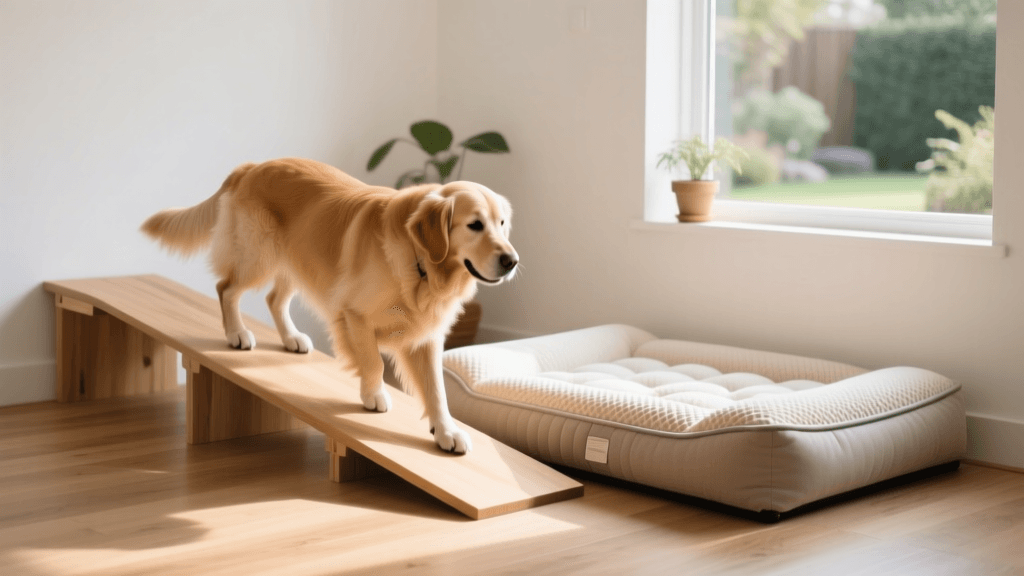
When choosing a ramp, the angle of incline is the most critical metric. A steep ramp can be just as damaging as a jump. For small to medium dogs, an incline of 18 to 20 degrees is ideal, while large breeds require a wider, longer ramp to maintain a gentle 15-degree slope. The Pet Gear Tri-Fold Ramp is a top recommendation in 2026 due to its 71-inch length, 20-inch width, and 200-pound weight capacity. Priced around $120, it features a high-traction surface and folds easily for vehicle storage.
Dog Stairs vs. Ramps
While stairs are more compact, they still require joint flexion and extension that can aggravate severe OA. Stairs should only be used for dogs with mild OA or for accessing low-profile beds. If you opt for stairs, ensure each step has a depth of at least 12 inches and is covered in high-friction carpeting. Foam-based stairs are generally too unstable for senior dogs; opt for high-density structural foam or solid wood frames.
Orthopedic Sleep Systems
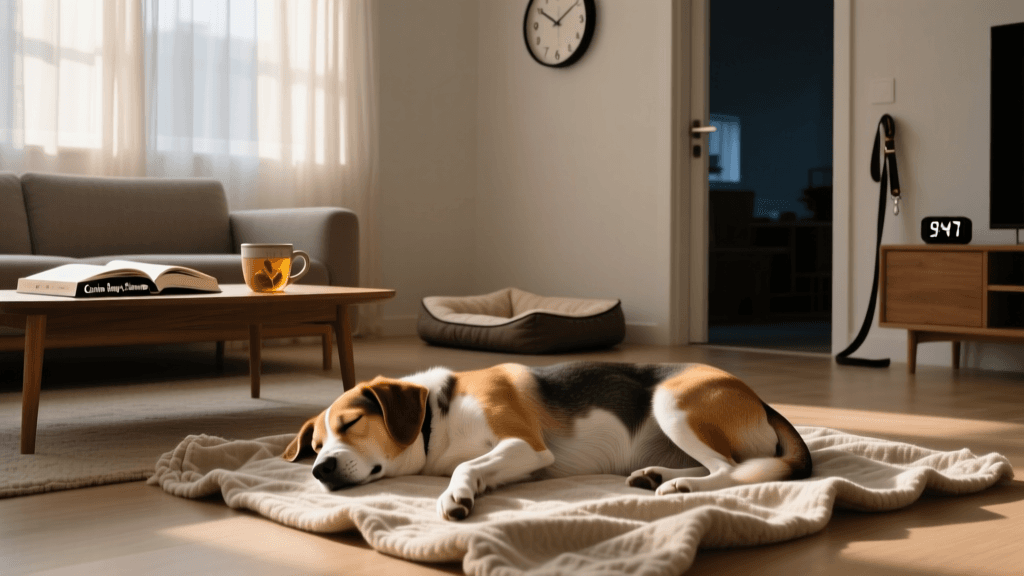
Dogs sleep between 12 to 14 hours a day, meaning their bed is their primary therapeutic environment. Standard poly-fill beds offer zero structural support and allow a dog's heavy joints to bottom out against the hard floor.
The Big Barker Standard
The Big Barker 7-inch Orthopedic Dog Bed remains the gold standard for large breeds with OA in 2026. Priced starting around $280, it utilizes a specific therapeutic foam matrix: three inches of H10 comfort foam, sandwiched between two inches of H45 support foam. This specific layering prevents the 'hammock effect,' ensuring that heavy hips and shoulders do not press through to the floor. The 7-inch height also reduces the strain required to stand up from a lying position.
Heating Elements and Smart Beds
Cold temperatures exacerbate joint stiffness. In 2026, smart orthopedic beds with integrated, app-controlled heating elements are gaining traction. Brands like K9 Ballistics now offer chew-resistant beds with removable, low-voltage heating pads that maintain a consistent, safe temperature of 102°F (the normal canine body temperature), promoting blood flow to stiff joints overnight.
Mobility Gear Comparison Chart
To help you budget and plan your home modifications, here is a comparison of essential mobility aids available in 2026:
| Product Category | Recommended Spec / Brand | 2026 Est. Cost | Best For |
|---|---|---|---|
| Orthopedic Bed | Big Barker 7-inch (Therapeutic Foam) | $280 - $350 | Large breeds, severe hip dysplasia |
| Vehicle / Furniture Ramp | Pet Gear Tri-Fold (71' Length) | $110 - $130 | Dogs up to 200 lbs, SUVs, high beds |
| Traction Flooring | Ruggable + Premium Rubber Pad | $150 - $250 | Living rooms, hallways, slippery tile |
| Support Harness | Help 'Em Up Harness (Hip Lift) | $130 - $160 | Stairs, bathroom breaks, rear weakness |
| Joint Supplement | Dasuquin Advanced with EPI | $60 - $80 | Daily cartilage and inflammation support |
Smart Home Integrations for Joint Comfort
The modern smart home can be leveraged to protect your dog's joints. Automated climate control systems can ensure your home never drops below 68°F, preventing morning stiffness. Additionally, automated pet doors with microchip sensors allow your dog to go outside at their own pace without waiting, scratching, or enduring the stress of a rigid schedule, which can lead to rushed, injurious movements.
Daily Routine and Low-Impact Enrichment
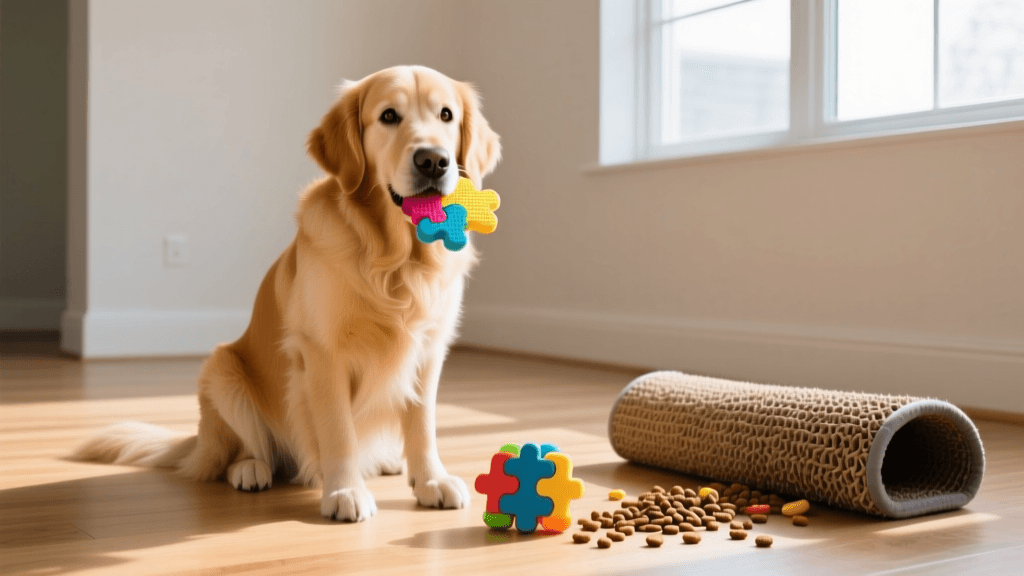
Modifying your home is only half the battle; adjusting your daily routine is equally vital. High-impact activities like fetch, frisbee, and sudden directional changes must be eliminated. Instead, embrace the 'sniffari.' A 20-minute walk on a long leash where the dog is allowed to sniff freely provides immense mental enrichment and burns as much energy as a rigorous run, all while maintaining a slow, joint-friendly pace.
Consistency is key. Short, frequent walks on soft surfaces like grass or dirt trails are vastly superior to one long, exhausting walk on abrasive pavement.
Hydrotherapy is another phenomenal addition to your routine. If a professional canine hydrotherapy center is not accessible, a shallow, warm wading pool in your backyard can provide low-resistance movement that builds muscle mass without loading the joints.
Conclusion
Managing canine osteoarthritis in 2026 requires a holistic approach that blends cutting-edge veterinary medicine with thoughtful, proactive home modifications. By investing in proper traction, ergonomic ramps, and therapeutic sleep systems, you are not just accommodating a disability; you are actively preserving your dog's independence and joy. Pay attention to how your dog interacts with their environment, make the necessary adjustments, and enjoy the golden years with your best friend in comfort and dignity.
beth-carrasco
All our authors care for dogs every day — read more of their work on the authors page.