The Ultimate Recall Training Progression Plan For Dogs
Master your dog's recall with our step-by-step training progression plan. Build a reliable come from the living room to the dog park safely.
The Importance of a Reliable Recall
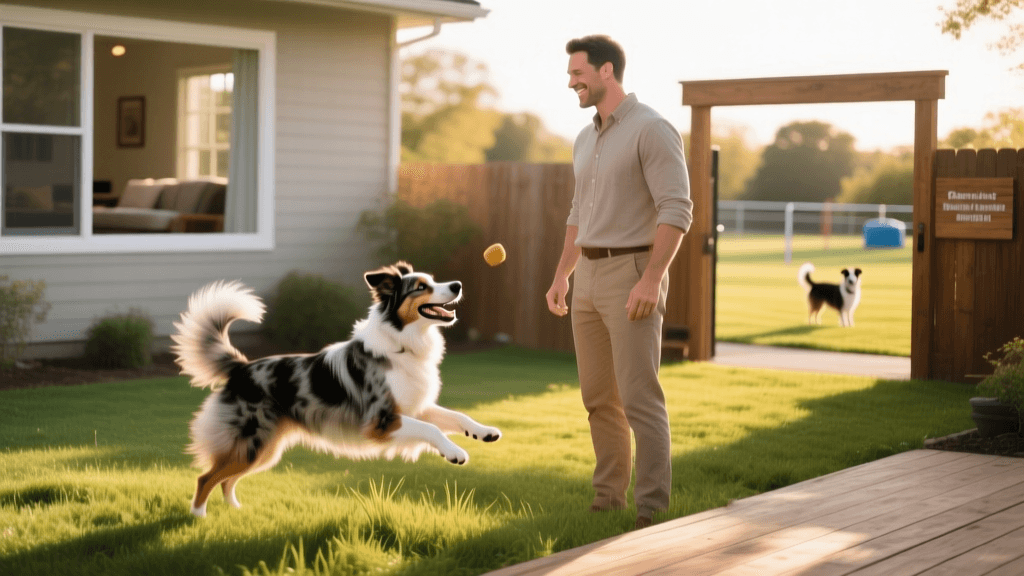
A reliable recall—teaching your dog to come when called—is arguably the most critical safety cue in your dog’s training repertoire. It is the cue that prevents your dog from darting into traffic, chasing wildlife into dangerous terrain, or approaching an aggressive off-leash dog. However, a bulletproof recall does not happen overnight. It requires a structured, methodical approach that gradually increases difficulty while maintaining your dog’s enthusiasm and focus.
Many dog owners make the mistake of testing their dog’s recall in high-distraction environments, like a bustling dog park, before the dog has mastered the behavior in controlled settings. This leads to frustration, broken trust, and a dog that learns to ignore the cue. To build a truly reliable recall, we must follow a progressive training plan that respects canine learning theory. According to the American Veterinary Society of Animal Behavior (AVSAB), reward-based training methods are not only the most effective but also essential for safeguarding animal welfare and strengthening the human-animal bond.
Below is a comprehensive, multi-phase training progression plan designed to take your dog’s recall from the living room to the great outdoors.
Phase 1: The Foundation (Weeks 1-2)
Environment: Indoors, Zero Distractions
The first phase is all about building a positive conditioned emotional response to your recall cue. You want your dog to feel a spike of dopamine the moment they hear the word. We recommend using a distinct, cheerful cue word like "Come!" or "Here!" Avoid using the dog's name as the recall cue, as their name is often used for general attention or reprimands.
Equipment Needed:
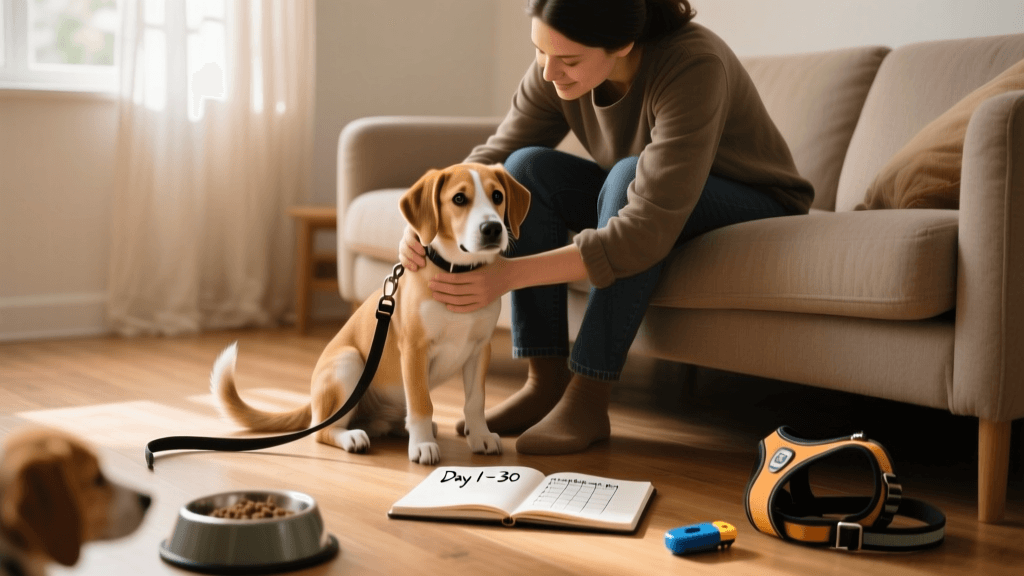
- High-value, pea-sized treats (e.g., Zuke’s Mini Naturals or boiled chicken breast).
- A distinct marker (a clicker, such as the Karen Pryor i-Click, or a consistent verbal marker like "Yes!").
The Exercise:
- Stand just three to five feet away from your dog in a quiet hallway or living room.
- Say your cue word once in an upbeat, enthusiastic tone.
- The exact moment your dog turns their head toward you or takes a step in your direction, mark the behavior with your clicker or verbal marker.
- When they reach you, deliver a "jackpot" reward—three to five treats fed one after the other, paired with calm praise.
- Release the dog with a cue like "Go play" and let them wander off before repeating.
Progression Metric: Move to Phase 2 only when your dog responds to the cue within one second, 10 out of 10 times, in at least three different rooms of your house.
Phase 2: Adding Distance and Mild Distractions (Weeks 3-5)
Environment: Fenced Yard, Quiet Hallways, or Indoor Tennis Courts
Now that the foundation is set, it is time to introduce distance and mild environmental distractions. This phase bridges the gap between the sterile indoor environment and the chaotic real world.
Equipment Needed:
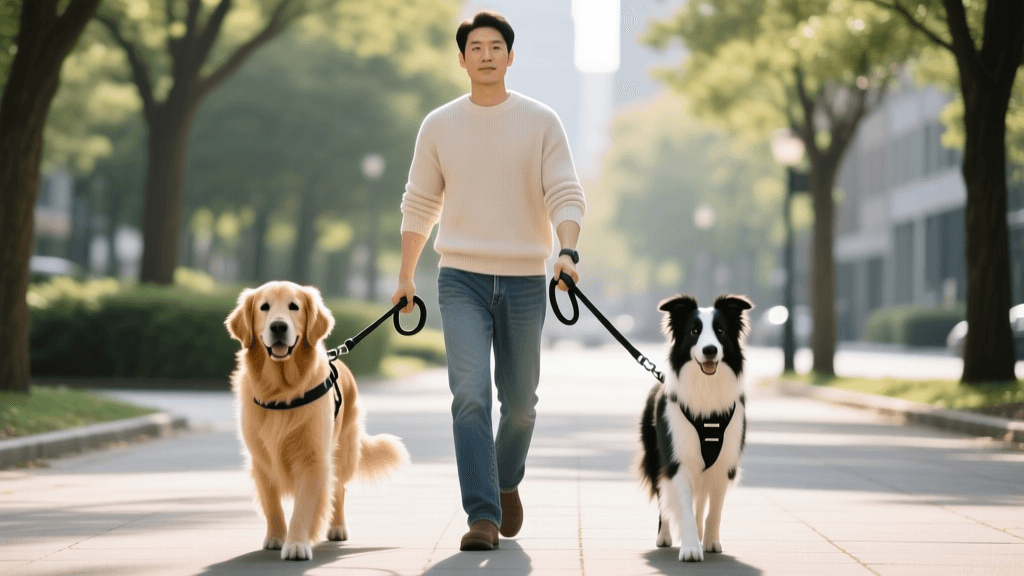
- A 15-to-30-foot long line. We highly recommend a Biothane long line (such as those from Signature K9) because it is waterproof, lightweight, and does not tangle or burn your hands like nylon.
- Medium-to-high value treats (e.g., Stewart Pro-Treat Freeze-Dried Liver).
The Exercise:
- Attach the long line to your dog’s back-clip harness. Never attach a long line to a collar or a head-halter, as sudden stops can cause severe neck injuries.
- Allow your dog to wander and sniff (a mild distraction).
- Call your dog using your recall cue. If they do not respond immediately, do not repeat the cue. Instead, gently reel them in using the long line like a fishing rod, then reward them when they arrive.
- Introduce the "Restrained Recall": Have a partner gently hold your dog by the harness. Walk away, turn around, and call your dog. The partner releases the dog, and the act of chasing you becomes part of the reward.
Progression Metric: Advance to Phase 3 when your dog reliably responds to the cue while sniffing the ground or watching a distant person, achieving a 90% success rate over 20 repetitions.
Phase 3: The Real World and Proofing (Weeks 6-10+)
Environment: Public Parks, Trails, and High-Distraction Areas
This is the proofing phase. The resources available through the American Kennel Club (AKC) training programs emphasize that a behavior is not truly "learned" until it has been proofed across multiple environments, distances, and distraction levels. In this phase, we introduce the Premack Principle, which involves using a high-probability behavior (like sniffing a fascinating bush) to reward a low-probability behavior (like coming away from that bush).
The Exercise:
- Keep the dog on the long line in a public setting.
- Wait for your dog to engage with a moderate distraction (e.g., watching a squirrel 50 feet away).
- Call your dog. When they arrive, offer a high-value food reward, and then immediately release them with the cue "Go sniff!" allowing them to return to the distraction.
- This teaches the dog that coming to you does not mean the fun ends; it actually grants them permission to return to the fun.
For comprehensive guidance on managing behavioral issues in public spaces, the ASPCA’s common dog behavior resources offer excellent supplemental reading on reading canine body language during outdoor training.
Recall Training Progression Matrix
Use the following table to track your dog's progression. Do not move to the next row until your dog is highly successful at the current level.
| Phase | Environment | Distance | Leash Type | Distraction Level | Reward Value |
|---|---|---|---|---|---|
| 1 | Indoors (Living Room) | 3 - 5 ft | None / Drag Line | Zero (Quiet room) | High (Boiled Chicken) |
| 2 | Indoors (Hallways) | 10 - 15 ft | None / Drag Line | Low (Toys in room) | High (Freeze-Dried Liver) |
| 3 | Fenced Yard | 15 - 30 ft | Biothane Long Line | Medium (Birds, Smells) | Medium-High (Zuke's) |
| 4 | Quiet Public Park | 30 ft | Biothane Long Line | High (Distant dogs/people) | High (Jackpot Rewards) |
| 5 | Off-Leash Park (Fenced) | 50+ ft | Off-Leash (with drag line backup) | Very High (Playing dogs) | Premack (Release to play) |
The Emergency Recall: A Fail-Safe Mechanism
Even with a perfect progression plan, dogs are living creatures who can experience "brain blinks" or become overwhelmed by prey drive. This is why every dog owner should train a separate Emergency Recall.
Choose a completely unique cue that you will never use in everyday life. A whistle (like an Acme 211.5) or a unique word like "Bingo!" or "Touch!" works perfectly. Pair this cue exclusively with an unimaginable jackpot reward—such as a whole rotisserie chicken, a brand-new squeaky toy, or a game of intense tug-of-war. Practice the emergency recall only once a week, always in a controlled environment, and always deliver the massive jackpot. Over time, this cue becomes a deeply ingrained reflex that can override even the strongest prey drive in an emergency situation.
Troubleshooting Common Recall Failures
1. The Dog Ignores the Cue
If your dog ignores the cue, you have moved up the progression matrix too quickly. The distraction was too high, or the distance was too great. Solution: Immediately drop back one or two phases in the matrix. Re-establish success at an easier level before trying again.
2. The Dog Comes, But Slowly
A slow recall usually means the reward history isn't strong enough, or the dog anticipates that coming to you means being leashed and leaving the park. Solution: Play the "Catch Me" game. Call your dog, run away from them to trigger their chase instinct, and reward them when they catch up. Furthermore, practice calling your dog, clipping the leash on, rewarding heavily, and then immediately unclipping them to resume play.
3. Repeating the Cue Word
Saying "Come, come, come, come!" teaches your dog that the cue is actually a multi-syllable background noise that doesn't require immediate action. Solution: Say the cue exactly once. If the dog doesn't respond, use a kissy noise, clap your hands, or gently reel them in with the long line. Never dilute the power of your cue word by repeating it.
Final Thoughts on Consistency
Training a reliable recall is a marathon, not a sprint. By adhering to this structured progression plan, managing your dog's environment with proper equipment like a Biothane long line, and utilizing high-value rewards, you will build a bond of trust and communication. Remember that every time you call your dog, you are making a promise that coming to you is the best decision they could possibly make. Honor that promise with consistency, patience, and spectacular rewards, and you will enjoy a lifetime of safe, off-leash adventures together.
marcus-aldridge
All our authors care for dogs every day — read more of their work on the authors page.