Best Dog Puzzle Toys 2026: Nina Ottosson vs Snuffle Mat
Compare Nina Ottosson puzzles and snuffle mats for dog enrichment in 2026. Discover pros, cons, pricing, and weekly mental stimulation routines for your pup.
The Rise of Canine Cognitive Enrichment in 2026
Welcome to 2026, an era where veterinary science and canine behavioral psychology have firmly established that a well-behaved dog is not just a physically exercised dog, but a mentally fulfilled one. As pet parents, we often focus heavily on physical exercise—long walks, fetch sessions, and agility courses. However, mental enrichment is equally critical for your dog's overall well-being. Without adequate cognitive stimulation, dogs can develop destructive behaviors, separation anxiety, and even signs of canine cognitive dysfunction as they age.
When it comes to mental stimulation, two heavyweights dominate the market: the structured, mechanical puzzles pioneered by Nina Ottosson and the tactile, scent-driven experience of snuffle mats. But which one is right for your dog? In this comprehensive guide, we will break down the mechanics, benefits, and 2026 pricing of both enrichment methods to help you build the ultimate cognitive routine for your furry best friend.
The Science Behind Canine Mental Enrichment
Before diving into specific products, it is essential to understand why puzzle games matter. A dog's brain is wired to solve problems. In the wild, canines spend up to 80% of their waking hours hunting, foraging, and scavenging. Modern domestic dogs are often fed from a bowl in less than three minutes, leaving their natural problem-solving instincts entirely unfulfilled.
According to the American Kennel Club, mental stimulation helps slow down cognitive decline in senior dogs and significantly reduces boredom-related behaviors in high-energy breeds. When a dog successfully solves a puzzle to retrieve a treat, their brain releases dopamine—the 'feel-good' neurotransmitter. This not only builds confidence but also creates a positive feedback loop that encourages calm, focused behavior.
Furthermore, VCA Hospitals highlights that behavioral enrichment, particularly food-based foraging activities, lowers cortisol levels and mitigates stress. By forcing your dog to use their nose and paws to 'work' for their meals, you are replicating the natural foraging behaviors that keep their minds sharp and their anxiety at bay.
Nina Ottosson Interactive Puzzles: The 2026 Lineup
Nina Ottosson has been the gold standard in interactive dog puzzles for over a decade, and their 2026 lineup continues to push the boundaries of canine cognitive toys. These puzzles are typically made from BPA-free, phthalate-free, and PVC-free composite plastics or sustainable wood blends, ensuring they are safe for dogs who like to chew while they think.
1. The Dog Brick (Level 2 Intermediate)
The Dog Brick remains a staple for dogs transitioning from beginner to intermediate puzzles. Priced at approximately $18.99 in 2026, it features sliding bone covers and lifting brick lids. Your dog must learn to slide, lift, and sniff to uncover hidden treats. It is an excellent introduction to multi-step problem-solving and is incredibly easy to clean with warm, soapy water.
2. The Dog Tornado (Level 2 Intermediate)
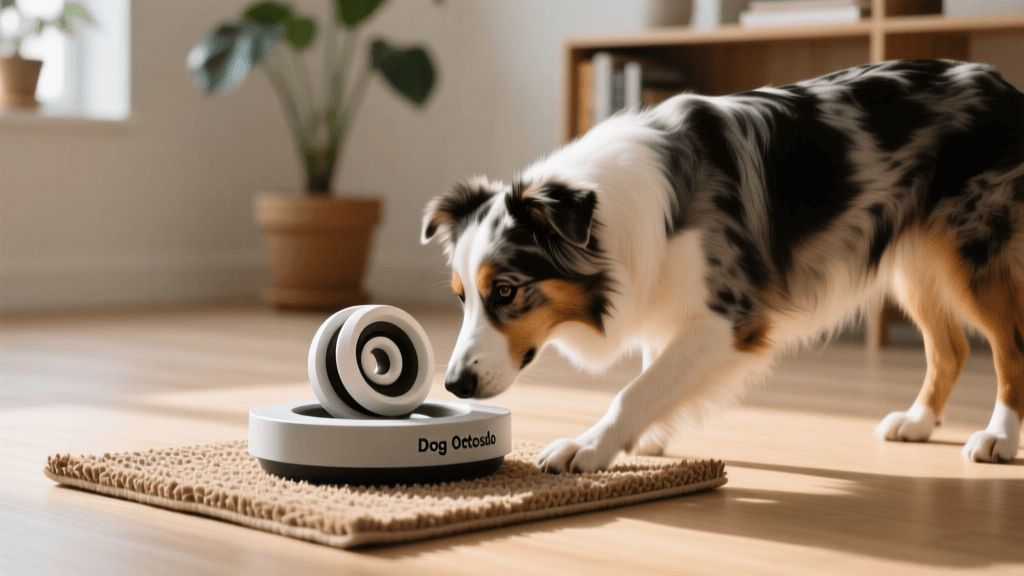
Retailing for around $22.99, the Dog Tornado consists of four rotating tiers. Dogs must spin the layers to align the cutouts and reveal the treats hidden beneath. The 2026 version includes removable bone-shaped pegs that allow you to lock certain tiers, increasing the difficulty as your dog's cognitive skills improve. This toy is particularly effective for highly intelligent herding breeds like Border Collies and Australian Shepherds who need a complex spatial challenge.
3. The MultiPuzzle (Level 4 Expert)
For the canine Einstein, the MultiPuzzle ($34.99) offers a staggering 32 treat compartments and multiple locking mechanisms. It requires dogs to slide covers, push levers, and spin wheels in a specific sequence. This is not a toy for beginners; it is designed for dogs who have mastered lower-level puzzles and require intense, prolonged focus.
Snuffle Mats: Tapping Into Primal Foraging Instincts
While Nina Ottosson puzzles rely on mechanical manipulation and spatial reasoning, snuffle mats focus almost entirely on olfactory enrichment. A snuffle mat is essentially a dense, shaggy rug made from strips of fabric (usually polar fleece or upcycled cotton) tied tightly to a rubber or silicone base. Dry kibble or high-value treats are scattered and buried deep within the fabric strips.
The Power of Scent Work
A dog's olfactory cortex is proportionally 40 times larger than a human's. When a dog uses a snuffle mat, they are engaging in intense scent tracking. Ten minutes of active sniffing on a snuffle mat can burn as much mental energy as a one-hour walk. In 2026, premium snuffle mats from brands like Sniffy Craft and Paw5 Wooly range from $28.00 to $45.00, depending on the size and density of the fabric strips.
Pros and Cons of Snuffle Mats
The primary advantage of a snuffle mat is its accessibility. Unlike mechanical puzzles, there is no 'frustration threshold' where a dog might give up because they cannot figure out a sliding latch. The dog simply follows their nose. Snuffle mats are also highly portable, machine washable, and excellent for fast eaters, as they naturally slow down food consumption.
However, snuffle mats do have drawbacks. They are not suitable for aggressive chewers or dogs prone to ingesting foreign objects (pica), as a determined dog might rip the fleece strips off the base and swallow them. Additionally, they require regular washing to prevent the buildup of dog saliva and food oils, which can cause bacterial growth and unpleasant odors over time.
Head-to-Head Comparison: Nina Ottosson vs. Snuffle Mats
To help you decide which enrichment tool belongs in your 2026 dog care arsenal, we have broken down the core differences in the table below.
| Feature | Nina Ottosson Puzzles | Snuffle Mats |
|---|---|---|
| Primary Sense Engaged | Sight, Touch, Spatial Reasoning | Smell, Tactile Foraging |
| Average Cost (2026) | $18.00 - $35.00 | $28.00 - $45.00 |
| Best For | Problem solvers, chewers, high-energy breeds | Anxious dogs, seniors, fast eaters, scent hounds |
| Cleanup & Maintenance | Quick wipe down or dishwasher safe (top rack) | Requires machine washing and air drying |
| Durability | High (Composite plastic/wood) | Moderate (Can be destroyed by heavy chewers) |
| Frustration Risk | Moderate (Requires learning curve) | Low (Instinctual sniffing) |
Designing a 2026 Weekly Enrichment Schedule
The most effective approach to mental enrichment is variety. Dogs, like humans, experience habituation; if they do the exact same puzzle every day, they will eventually master it and become bored. Here is a sample weekly schedule that alternates between mechanical puzzles and olfactory foraging to keep your dog's brain constantly engaged.
- Monday (Mechanical): Serve breakfast in a Level 1 Nina Ottosson Treat Tumble. This starts the week with an easy, confidence-building win.
- Tuesday (Olfactory): Hide dinner in a dense snuffle mat. Allow your dog 15 minutes of uninterrupted sniffing time.
- Wednesday (Environmental): Ditch the bowls entirely. Scatter kibble across the backyard grass or hide small piles of treats around the living room for a 'find it' game.
- Thursday (Mechanical): Introduce a Level 2 Dog Brick. Use high-value treats like freeze-dried liver to motivate them through the sliding mechanisms.
- Friday (Olfactory/Tactile): Use a lick mat smeared with plain pumpkin puree and peanut butter, frozen overnight. This provides soothing, repetitive licking that releases endorphins.
- Saturday (Advanced Mechanical): Bring out the Dog Tornado or MultiPuzzle for a challenging weekend brain game while you work or relax.
- Sunday (Rest & Reset): Keep it simple. Use a standard slow-feeder bowl for meals to give their brain a break while still preventing gulping.
Safety, Hygiene, and Supervision
While mental enrichment is incredibly beneficial, it must always be conducted safely. No puzzle toy or snuffle mat is entirely indestructible. Always supervise your dog during their first few sessions with any new enrichment tool. If you notice your dog attempting to chew and swallow the plastic pieces of a Nina Ottosson puzzle, or tearing the fleece off a snuffle mat, remove the item immediately to prevent gastrointestinal blockages.
Hygiene is another critical factor. In 2026, veterinary dermatologists continue to warn against 'canine acne' and bacterial infections caused by dirty feeding equipment. Plastic puzzles should be washed with hot, soapy water after every use, especially if you are using wet food, raw diets, or sticky treats like peanut butter. Snuffle mats should be shaken out outdoors to remove crumbs and tossed in the washing machine on a gentle cycle with a pet-safe, unscented detergent at least once a week.
Final Thoughts on Mental Enrichment
As we navigate 2026, the consensus among veterinary behaviorists is clear: a dog's mind needs just as much exercise as their body. Whether you choose the mechanical brilliance of Nina Ottosson puzzles or the primal, scent-driven joy of a snuffle mat, the key is consistency and variety. By integrating these tools into your daily routine, you are not just feeding your dog; you are nurturing their intellect, reducing their anxiety, and ultimately building a deeper, more communicative bond with your best friend.
marcus-aldridge
All our authors care for dogs every day — read more of their work on the authors page.