Senior Dog Care: Adapting Home and Routine for Aging Pets
Discover essential senior dog care tips to adapt your home, adjust daily routines, and manage health changes for your aging canine companion.
Embracing the Golden Years: A Comprehensive Guide to Senior Dog Care
Watching your vibrant, energetic puppy transition into a distinguished, gray-muzzled senior is one of the most rewarding yet bittersweet experiences of dog ownership. As your canine companion enters their golden years, their needs shift dramatically. They may sleep more, move a little slower, and require adjustments to their daily environment to remain comfortable and happy. According to the American Veterinary Medical Association (AVMA), dogs are generally considered senior when they reach the last 25% of their expected lifespan. However, aging is not a disease; it is a natural life stage that requires a proactive shift in how we manage our dogs' daily environments, healthcare, and routines.
When Does a Dog Become a Senior?
The timeline for aging varies significantly depending on your dog's breed and size. The American Kennel Club (AKC) notes that larger breeds age much faster than their smaller counterparts. Understanding where your dog falls on the aging spectrum is the first step in tailoring their care.
- Small Breeds (under 20 lbs): Typically considered senior around 10 to 12 years of age. Breeds like Chihuahuas and Toy Poodles often live well into their mid-teens.
- Medium Breeds (20-50 lbs): Usually enter their senior years around 8 to 10 years of age. Beagles and Cocker Spaniels fall into this category.
- Large Breeds (50-90 lbs): Often considered senior by 7 to 9 years of age. Labrador Retrievers and Golden Retrievers require early senior interventions.
- Giant Breeds (over 90 lbs): May show signs of aging as early as 5 to 6 years old. Great Danes and Bernese Mountain Dogs need specialized joint and cardiac care much earlier in life.
Adapting Your Home for Mobility Issues
Osteoarthritis and general joint stiffness are incredibly common in aging dogs. Making your home accessible is crucial for maintaining their independence and preventing painful falls.
Orthopedic Bedding
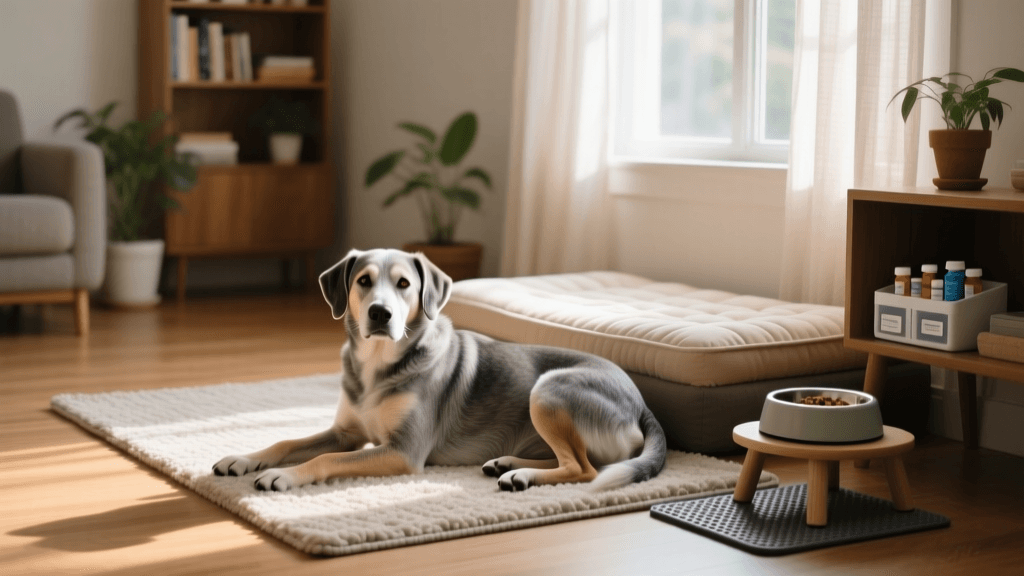
Standard dog beds do not provide adequate support for aging joints. Invest in a high-quality orthopedic bed made from medical-grade memory foam. Look for beds that are at least 4 to 7 inches thick to prevent the dog's heavy joints from bottoming out against the hard floor. Products like the Big Barker 7-Inch Orthopedic Dog Bed (priced around $250 to $350) are specifically engineered for large, aging breeds and come with 10-year warranties.
Ramps and Pet Stairs
Jumping onto the couch or into the car can cause severe spinal or joint injuries in senior dogs. Install pet stairs for low furniture and use ramps for vehicles and higher beds. When selecting a ramp, ensure the incline is gentle—ideally between 18 and 20 degrees. The PetSafe Happy Ride Folding Pet Ramp (approximately $70) is a lightweight, durable option that supports up to 150 lbs and features a high-traction surface to prevent paw slipping.
Flooring Modifications
Hardwood and tile floors become slippery hazards for dogs with weakened hindquarters. Lay down interlocking foam mats or non-slip area rugs in high-traffic zones, particularly near their food bowls, bed, and doorways. Expect to spend around $30 to $50 per room on non-slip rug pads and washable runners.
Diet, Supplements, and Veterinary Care
As metabolism slows down, senior dogs are prone to weight gain, which exacerbates joint pain. Conversely, some older dogs lose muscle mass and require higher protein diets. The American Animal Hospital Association (AAHA) strongly recommends transitioning from annual to bi-annual veterinary wellness exams for senior pets. These exams should include comprehensive blood panels and urinalysis to catch early signs of kidney disease, diabetes, or thyroid dysfunction.
Targeted Supplementation
Discuss joint supplements with your veterinarian. Glucosamine, chondroitin, and MSM are standard for cartilage support. Premium options like Dasuquin Advanced (roughly $60 for a month's supply for a medium dog) provide potent joint matrix support. Additionally, Omega-3 fatty acids derived from wild-caught fish oil (such as Nordic Naturals Omega-3 Pet, around $25) are excellent for reducing systemic inflammation and supporting cognitive health.
Adjusting Exercise and Mental Stimulation
While your senior dog may no longer be able to run miles alongside your bicycle, daily exercise remains vital for cardiovascular health and muscle maintenance. Transition to two or three shorter, leisurely walks (15-20 minutes each) rather than one long, exhausting hike. Pay close attention to the weather; senior dogs struggle to regulate their body temperature, making them highly susceptible to heatstroke and hypothermia.
Mental stimulation is equally important to stave off cognitive decline. Swap intense physical fetch sessions for low-impact brain games. Snuffle mats (which cost about $20 to $30) encourage natural foraging behaviors and can tire a dog out mentally in just 15 minutes. Puzzle toys that dispense soft treats or frozen bone broth are also excellent for keeping their minds sharp without stressing their bodies.
Dental Care and Incontinence Management
Two often-overlooked aspects of senior care are dental health and incontinence. Periodontal disease is rampant in older dogs and can lead to systemic infections affecting the heart and kidneys. If your dog can no longer tolerate hard dental chews, switch to veterinary-approved water additives or enzymatic oral gels applied directly to the gums. Professional dental cleanings under anesthesia may cost between $500 and $1,200, but they are essential for removing subgingival plaque.
Incontinence, whether due to weakened sphincter muscles or cognitive decline, is a common source of stress for owners. Never punish a senior dog for indoor accidents. Instead, utilize washable belly bands for males or reusable dog diapers for females. Invest in waterproof mattress protectors and washable crib pads to place over their favorite sleeping spots, saving you from constant deep-cleaning and reducing your dog's anxiety.
Recognizing Canine Cognitive Dysfunction (CCD)
Similar to Alzheimer's disease in humans, Canine Cognitive Dysfunction (CCD) affects a significant portion of the aging dog population. Symptoms include disorientation, staring blankly at walls, getting stuck in corners, changes in sleep-wake cycles (pacing at night), and a decrease in social interaction. If you notice these signs, consult your vet. Prescription medications like Selegiline, alongside antioxidant-rich diets and environmental enrichment, can slow the progression of CCD and improve your dog's quality of life.
Senior Dog Care Budget & Checklist
Preparing financially and logistically for your dog's senior years ensures you can provide the best care without undue stress. Below is a structured overview of anticipated costs and care routines.
| Item / Service | Purpose | Estimated Cost | Frequency |
|---|---|---|---|
| Bi-Annual Vet Exams & Bloodwork | Early detection of organ dysfunction | $150 - $300 | Every 6 months |
| Orthopedic Memory Foam Bed | Joint support and pressure relief | $150 - $350 | Every 3-5 years |
| Joint Supplements (Glucosamine/Omega-3) | Cartilage maintenance and inflammation | $30 - $70 | Monthly |
| Non-Slip Rugs / Foam Mats | Preventing falls and splaying | $40 - $100 | As needed |
| Professional Dental Cleaning | Preventing systemic bacterial infections | $500 - $1,200 | Annually / As advised |
'Aging is a privilege denied to many. By adapting your home and embracing a slower, more intentional routine, you honor the lifetime of loyalty your dog has given you by ensuring their final chapters are lived in comfort and dignity.'
Conclusion
Sharing your life with a senior dog requires patience, empathy, and a willingness to adapt. By modifying your home for safety, adjusting their diet and exercise routines, and staying vigilant with veterinary care, you can manage the challenges of aging gracefully. The golden years may be shorter than the puppy years, but the deep, quiet bond you share with an aging dog is one of the most profound joys of pet ownership. Take the time to cherish every slow walk, every gray hair, and every quiet moment spent together on their plush, orthopedic bed.
hannah-wickes
All our authors care for dogs every day — read more of their work on the authors page.