2026 Dog Nosework Puzzles: Mental Enrichment Guide
Discover the best 2026 dog nosework puzzles and snuffle mat progressions to mentally stimulate high-energy breeds and reduce destructive behavior.
The Science Behind Canine Olfactory Enrichment in 2026
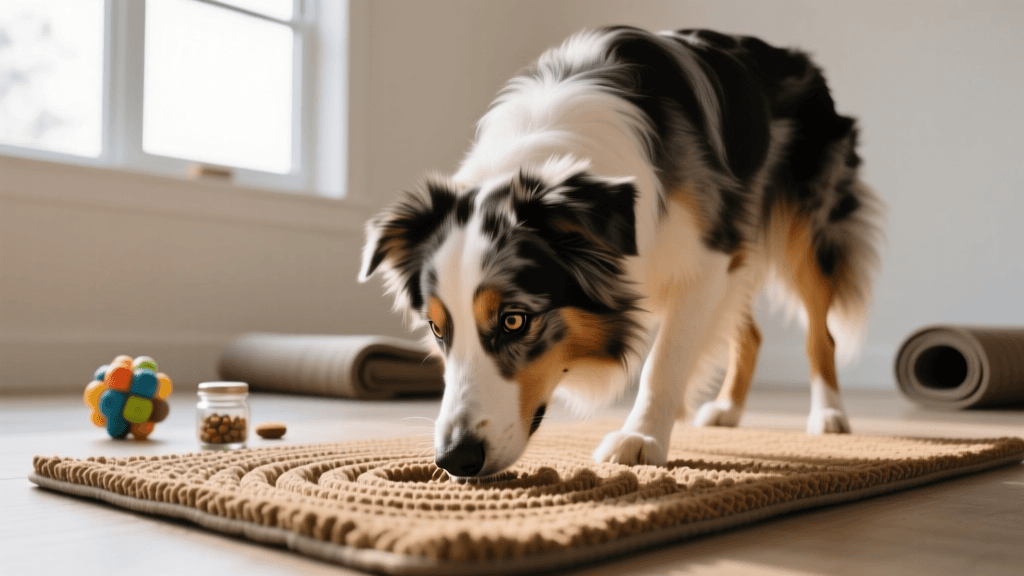
Mental enrichment is no longer just a trendy buzzword in the canine training community; as we navigate through 2026, it has firmly established itself as a foundational pillar of modern behavioral conditioning and obedience training. For high-energy breeds like Border Collies, Belgian Malinois, and working-line German Shepherds, physical exercise alone is rarely sufficient to curb destructive behaviors or anxiety. In fact, veterinary behaviorists now widely acknowledge that fifteen minutes of intense, focused sniffing can expend as much mental energy as an hour of rigorous physical running. This is due to the sheer neurological processing power required when a dog engages their olfactory system.
Dogs possess up to 300 million olfactory receptors in their noses, compared to a human's mere six million. Furthermore, the olfactory bulb—the part of the brain dedicated to analyzing scents—takes up a significantly larger proportion of a dog's brain mass. When you introduce interactive puzzle toys and structured nosework games into your training regimen, you are not merely distracting your dog; you are actively engaging their deepest evolutionary instincts. According to comprehensive behavioral guidelines highlighted by Fear Free Pets, olfactory enrichment actively lowers a dog's heart rate, promotes a state of calm, and builds profound cognitive resilience against environmental stressors.
Top Interactive Puzzle Toys Dominating 2026
The market for canine cognitive enrichment has evolved significantly. In 2026, the most effective tools are those that require a multi-step problem-solving approach, preventing dogs from simply flipping a toy over to spill the contents. The undisputed champion of intermediate puzzle training remains the Nina Ottosson Dog Brick. Priced around $18.99 this year, this puzzle features a combination of sliding blocks, removable bone-shaped covers, and hollow compartments. It forces the dog to use their paws and snout in coordinated movements, bridging the gap between basic snuffle mats and advanced mechanical puzzles.
For dogs who have already mastered the basics, the Outward Hound Hide N Slide puzzle offers a step up in complexity, utilizing interlocking tracks that require lateral thinking. Meanwhile, the KONG Gyro remains a staple for food-dispensing enrichment, offering a dynamic, unpredictable rolling motion that keeps food-motivated dogs engaged for extended periods. The American Kennel Club emphasizes that incorporating these varied mechanics is crucial for preventing canine boredom, as detailed in their extensive guide to nose work and scent games.
The 4-Step Nosework Puzzle Progression Protocol
A common mistake owners make is purchasing an advanced puzzle, filling it with high-value treats, and tossing it onto the floor. This often leads to frustration, chewing, and the dog abandoning the toy entirely. To successfully condition your dog for mental enrichment, you must follow a structured progression protocol.
Phase 1: The "Open Book" Introduction
During the first three to five sessions, do not make the dog work for the food. Remove all sliding blocks and bone covers from the Nina Ottosson Dog Brick. Place highly aromatic treats—such as freeze-dried liver or small pieces of boiled chicken—directly into the open compartments. The goal here is purely associative: the dog must learn that interacting with this specific plastic board yields incredible rewards. Keep these sessions short, lasting no more than five minutes, and always supervise to prevent any exploratory chewing on the plastic components.
Phase 2: Single-Obstacle Navigation
Once your dog is confidently eating from the open puzzle, introduce a single layer of difficulty. Place the bone covers over the treat compartments, but leave the sliding blocks completely open. Demonstrate how to nudge or paw the cover off if your dog seems confused. You can smear a tiny bit of peanut butter on the edge of the bone cover to encourage them to target it with their nose and paws. This phase builds the specific motor skills required to manipulate the puzzle pieces without overwhelming the dog's cognitive load.
Phase 3: Multi-Sensory Distraction
Now, utilize the sliding blocks to cover half of the treats, and the bone covers for the other half. To increase the mental challenge, introduce a "find it" cue from another room. This forces the dog to transition from a state of rest into a state of active olfactory searching, simulating the natural hunting sequence. By 2026, modern positive reinforcement trainers highly recommend pairing the puzzle presentation with a specific release cue, such as "Go Sniff," to create a clear boundary between relaxation time and enrichment time.
Phase 4: Independent Problem Solving
The final phase involves stepping back and allowing the dog to work through the entire puzzle independently. If they get stuck on a particular sliding block, resist the urge to immediately help them. Allow them to experiment with different pawing and nosing techniques. This trial-and-error process is where the actual cognitive conditioning occurs. Only intervene if the dog begins to show signs of acute frustration, such as excessive whining or aggressive biting of the toy.
2026 Puzzle Toy Comparison Chart
| Product Name | Difficulty Level | 2026 Avg Price | Best Suited For | Cleanability |
|---|---|---|---|---|
| Nina Ottosson Dog Brick | Intermediate | $18.99 | Dogs transitioning from snuffle mats | Hand wash only |
| Outward Hound Hide N Slide | Advanced | $12.99 | Highly intelligent, paw-oriented breeds | Damp cloth wipe |
| KONG Gyro | Beginner/Intermediate | $15.49 | Food-motivated dogs needing movement | Top-rack dishwasher |
| Custom Wool Snuffle Mat | Beginner | $24.00 - $35.00 | Senior dogs or heavy chewers | Machine washable |
DIY Budget-Friendly Nosework Alternatives
While commercial puzzles are excellent investments, you can easily replicate complex olfactory enrichment using household items. The Humane Society frequently advocates for accessible boredom busters and DIY enrichment that cost virtually nothing. One highly effective 2026 trend is the "Cardboard Shred Box." Take a medium-sized shipping box, fill it with crumpled, dog-safe paper, empty toilet paper rolls, and sprinkle your dog's daily kibble ration throughout the layers. As the dog digs, sniffs, and shreds the cardboard, they engage in a highly satisfying, destructive-style play that is entirely safe and mentally taxing. Always ensure you remove any tape or staples from the cardboard before presenting it to your dog, and supervise the entire session to prevent the ingestion of large cardboard pieces.
Another fantastic DIY option is the Muffin Tin Tennis Ball game. Place treats into the cups of a standard metal muffin tin, then cover each cup with a tennis ball. The dog must figure out how to remove the balls to access the food. To increase the difficulty, use a muffin tin with deeper cups or slightly dampen the tennis balls to make them heavier and harder to dislodge.
Troubleshooting Puzzle Frustration
"The goal of mental enrichment is to build confidence, not to test patience. If your dog is barking at the toy, pawing it aggressively, or walking away in defeat, the puzzle is too difficult. Immediately downgrade the complexity to rebuild their confidence and end the session on a positive note."
Recognizing the threshold between productive problem-solving and unproductive frustration is a critical skill for any dog owner in 2026. Productive frustration looks like intense focus, varied physical attempts (trying a paw, then a nose, then a different angle), and occasional pauses to think. Unproductive frustration manifests as vocalization, destructive chewing of the toy itself, or complete disengagement. If you observe the latter, calmly remove the toy, make it easier, and try again the following day.
Final Thoughts on 2026 Enrichment
Integrating structured nosework and puzzle games into your daily routine will fundamentally transform your relationship with your dog. It shifts the dynamic from simple obedience commands to collaborative problem-solving. By utilizing progressive tools like the Nina Ottosson Dog Brick and adhering to the 4-step protocol outlined above, you will cultivate a calmer, more focused, and deeply satisfied canine companion. Remember, a tired dog is a good dog, but a mentally exhausted dog is a truly fulfilled one.
anouk-beaumont
All our authors care for dogs every day — read more of their work on the authors page.