Training Quiet Apartment Dog Breeds: 2026 Expert Guide
Discover 2026 training techniques for quiet apartment dog breeds. Learn threshold desensitization and calm-crate methods to keep your pup peaceful.
The Behavioral Reality of 'Quiet' Breeds in Modern Apartments
As urban living spaces become denser in 2026, apartment dwellers are increasingly turning to low-vocalization dog breeds. Breeds like the Basenji, Greyhound, Shiba Inu, and Bernese Mountain Dog are famous for their quiet demeanors. However, a common misconception among new owners is that a genetically 'quiet' breed requires less behavioral conditioning. In reality, living in a high-density apartment environment presents unique acoustic and spatial triggers that can cause immense silent stress or sudden reactive outbursts in these dogs. Training a quiet breed for apartment living is not about teaching them to stop barking; it is about building robust emotional regulation, threshold desensitization, and cooperative coping mechanisms.
According to the Humane Society's desensitization protocols, managing a dog's reaction to environmental triggers requires systematic exposure below their reactivity threshold. For apartment dogs, these triggers are unavoidable: shared elevator spaces, hallway footsteps, automated delivery bots, and smart-home doorbell chimes. In this comprehensive 2026 training guide, we will explore the exact behavioral conditioning techniques required to maintain peace and psychological well-being for quiet breeds in apartment settings.
Threshold Desensitization for Hallway and Door Triggers
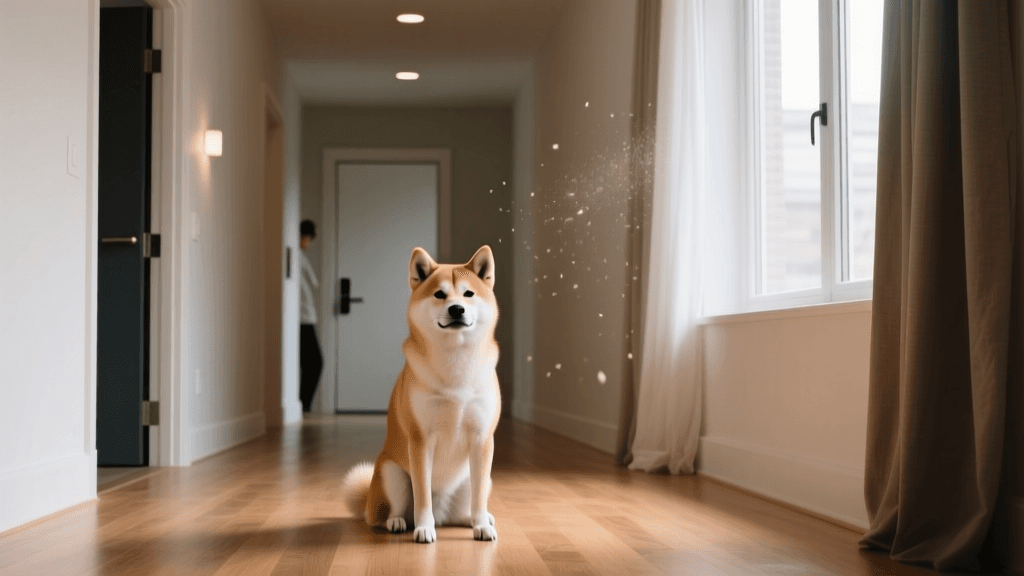
The front door of an apartment is the epicenter of canine anxiety. Even breeds that rarely vocalize, such as the Greyhound or the Borzoi, can develop intense barrier frustration or fear-based reactivity when confronted with unpredictable hallway noises. In 2026, with the rise of automated building delivery robots and frequent gig-economy foot traffic, the acoustic environment outside an apartment door is more chaotic than ever.
The 'Engage-Disengage' Protocol
To train your quiet breed to remain calm when the doorbell rings or when neighbors walk past, implement the Engage-Disengage game. This protocol rewires the dog's emotional response to the sound of the door or hallway.
- Step 1 (Identify the Threshold): Play a recording of your specific apartment buzzer or doorbell on your smartphone at a very low volume—low enough that your dog notices but does not pace, pant, or stare.
- Step 2 (Engage): The moment your dog looks toward the door or the sound source, mark the behavior with a calm 'Yes' or a clicker.
- Step 3 (Disengage & Reward): Toss a high-value treat (like freeze-dried lamb or salmon) away from the door onto their designated 'Place' mat. This teaches the dog that hearing a trigger means turning away from the door and engaging with you.
- Step 4 (Increase Intensity): Over several weeks, gradually increase the volume of the audio, or practice with a friend walking outside your actual door, always ensuring the dog remains under their reactivity threshold.
Consistency is critical. The American Kennel Club's quiet command training emphasizes that rewarding the absence of a reaction is just as important as rewarding an active command. For stoic breeds that might not bark but will pace or tremble, watch for subtle calming signals like lip licking or yawning, and immediately reward disengagement.
Smart Home Integration and Remote Rewarding in 2026
Modern dog training heavily leverages smart home technology to reinforce calm behaviors when the owner is absent or in another room. For quiet breeds prone to separation anxiety—a condition where they may suffer silently without vocalizing, leading to destructive chewing or self-harm—remote monitoring and rewarding are essential.
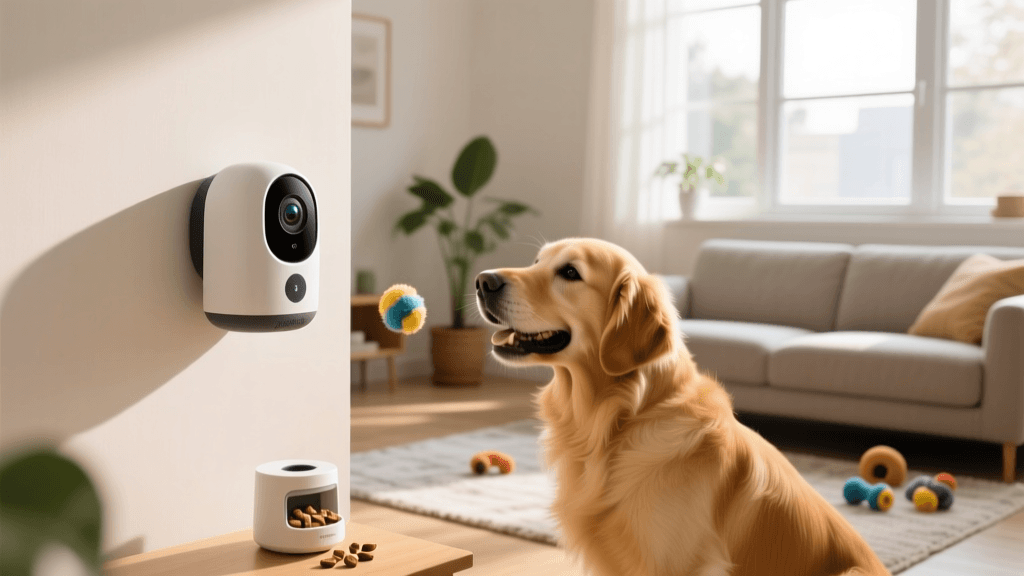
In 2026, devices like the Furbo 360 Treat Toss Camera (retailing around $189) and the Petcube Bites 2 Lite are industry standards for remote behavioral conditioning. These devices allow owners to monitor their dog's resting heart rate and stress behaviors via AI-driven apps. If your Basenji or Shiba Inu is resting calmly on their mat while you are at work, you can remotely dispense a treat to reinforce that specific state of relaxation. This builds a positive association with being alone in the apartment.
Pheromone and Acoustic Pairing
Pairing smart treat dispensers with environmental modifiers yields the best results. We highly recommend the Adaptil Calm Smart Diffuser ($75 in 2026), which plugs into your smart home hub and releases synthetic dog-appeasing pheromones. By scheduling the diffuser to activate 15 minutes before your usual departure time, and pairing it with a white-noise machine that masks hallway echoes, you create a predictable, soothing environment that supports your training efforts.
The 'Settle' Command and Mat Training for Small Spaces
Apartments often lack the square footage for dogs to roam freely, making 'Place' or 'Settle' training a non-negotiable life skill. For large but quiet breeds like the Bernese Mountain Dog or the Great Dane, teaching them to fold their bodies onto a specific mat prevents them from blocking walkways and gives them a secure 'job' to do.
'A mat is not a cage; it is a portable sanctuary. When a dog is taught to settle on a raised bed, they are given permission to turn off their environmental scanning and simply rest.' — Canine Behavioral Conditioning Standards, 2026.
To achieve a reliable 60-minute settle, invest in a chew-proof, elevated bed like the Kuranda PVC Dog Bed ($135). The elevated edges provide tactile feedback, helping the dog understand the boundaries of their space. Begin by luring the dog onto the bed with a food lure, marking all four paws on the fabric. Gradually extend the duration between treats, utilizing a long-lasting lick mat smeared with plain pumpkin puree or Greek yogurt to encourage the natural, soothing behavior of licking.
Breed-Specific Training Matrix
Different 'quiet' breeds process apartment stimuli in vastly different ways. Below is a 2026 training matrix tailored to specific low-vocalization breeds and their unique apartment challenges.
| Breed | Vocalization Style | Primary Apartment Trigger | 2026 Training Focus |
|---|---|---|---|
| Basenji | Yodel / Chortle | Visual movement (birds, drones) | Window film application & impulse control games |
| Greyhound | Rare, low grumbles | Shared elevator spaces | Threshold desensitization & cooperative handling |
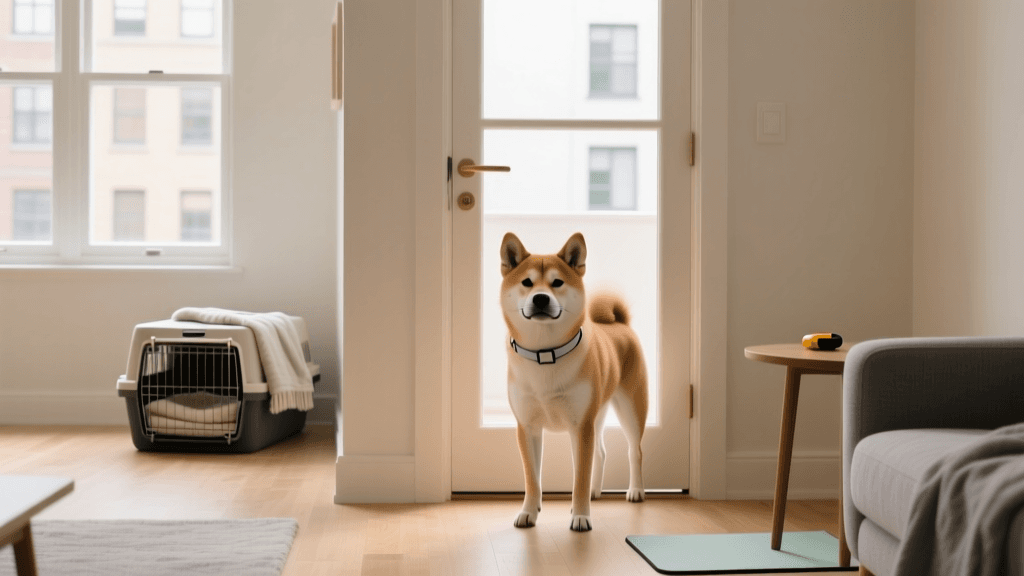
| Shiba Inu | Shiba Scream (if stressed) | Confinement / Nail trims | Crate games & fear-free cooperative care |
| Bernese Mountain Dog | Soft 'boofs' | Doorbell / Smart lock beeps | Sound desensitization apps & 'Place' command |
Managing Silent Separation Anxiety
Perhaps the greatest danger to quiet breeds in apartments is the assumption that because they are not barking, they are perfectly fine. The ASPCA's guidelines on separation anxiety warn that many dogs suffer in silence, exhibiting pacing, excessive drooling, or attempts to escape through windows. In an apartment, a panicked dog trying to dig through a front door can result in severe injury and lease violations.
To combat this, practice 'micro-departures.' Put on your shoes, pick up your keys, walk to the door, and then immediately sit back down on the couch. Repeat this until the dog shows zero reaction to your departure cues. Once the dog is desensitized to the cues, begin leaving for 30 seconds, then one minute, always returning before the dog exhibits stress signals. Utilizing a smart camera to monitor your dog's resting posture is the only reliable way to confirm they are truly relaxed and not simply frozen in a state of learned helplessness.
Conclusion: Consistency is the Key to Urban Harmony
Owning a quiet dog breed in an apartment in 2026 is a rewarding experience, but it requires a proactive approach to behavioral conditioning. By utilizing threshold desensitization for hallway noises, leveraging smart home technology for remote reinforcement, and committing to rigorous mat training, you can ensure your canine companion thrives in a high-density environment. Remember, a quiet dog is not necessarily a calm dog; true peace comes from a well-trained mind that feels secure, understood, and emotionally regulated in its living space.
priya-sutaria
All our authors care for dogs every day — read more of their work on the authors page.