Nina Ottosson Dog Brick Review & Enrichment Guide 2026
See how the Nina Ottosson Dog Brick compares to snuffle mats for mental enrichment in 2026. Get expert training tips, cleaning advice, and DIY alternatives.
Introduction to Canine Mental Enrichment in 2026
As we navigate the landscape of modern dog ownership in 2026, the conversation around canine welfare has shifted dramatically from purely physical exercise to comprehensive cognitive health. While a long walk around the neighborhood is excellent for cardiovascular health, it does little to tire out a dog's active brain. This is where mental enrichment and puzzle games become essential components of your daily routine. Whether you live in a compact urban apartment or a sprawling suburban home, providing your dog with interactive challenges is the key to preventing boredom, reducing anxiety, and curbing destructive behaviors.
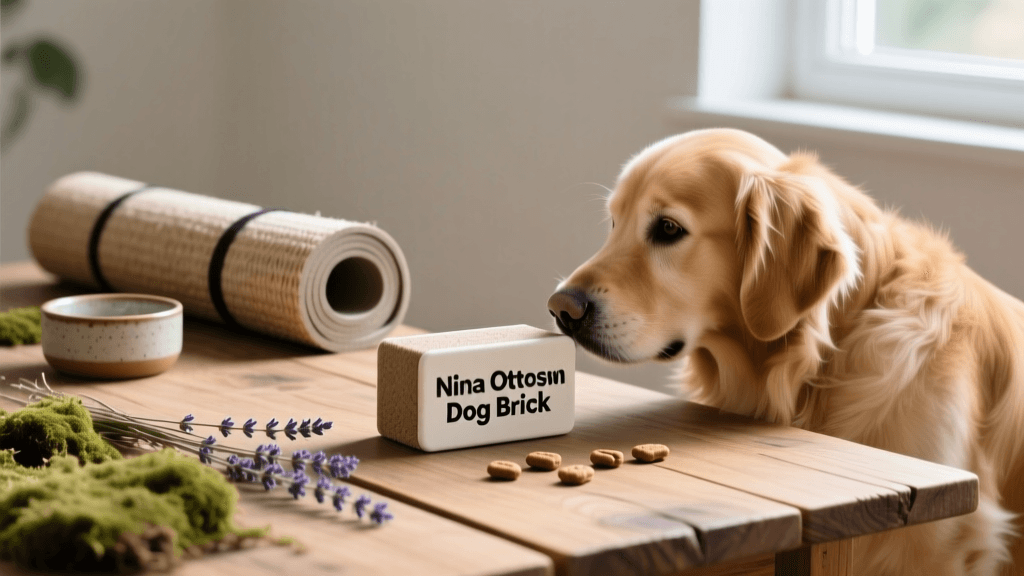
Among the myriad of enrichment tools available on the market today, the Nina Ottosson Dog Brick Interactive Treat Puzzle remains a gold standard for intermediate problem-solving. However, how does it stack up against the wildly popular, instinct-driven snuffle mat? In this comprehensive guide, we will break down the mechanics, benefits, and training protocols for both enrichment methods, helping you decide which is best for your furry companion this year.
Why Mental Stimulation Matters More Than Ever
Veterinary behaviorists have long established that a dog's sense of smell and their natural foraging instincts are deeply tied to their emotional well-being. According to the American Kennel Club, mental stimulation is just as critical as physical exercise, noting that fifteen minutes of intense sniffing and puzzle-solving can burn as much energy as an hour of walking. When dogs are denied the opportunity to use their brains, they often create their own 'jobs,' which usually translates to chewing furniture, excessive barking, or digging up the yard.
The Humane Society of the United States emphasizes that interactive toys and food puzzles prevent destructive behaviors by satisfying a dog's natural urge to forage and work for their meals. In 2026, with more dogs experiencing separation-related stress due to hybrid work schedules, integrating structured puzzle time into their morning routine is a proven strategy to promote calmness and independence while you are away.
Nina Ottosson Dog Brick: Comprehensive Review
The Nina Ottosson Dog Brick is a Level 2 interactive puzzle designed to challenge your dog's cognitive skills through sequential problem-solving. Unlike simple lick mats or basic sniffing toys, the Dog Brick requires your dog to understand cause and effect, utilizing their paws and nose to uncover hidden rewards.
Product Specifications and Design
- Dimensions: 12.75 x 9.25 x 2 inches
- Weight: 1.2 lbs (substantial enough to prevent easy tipping by small dogs)
- Material: BPA-free, phthalate-free, and PVC-free composite plastic
- Current 2026 Retail Price: Approximately $16.99 - $19.99
- Difficulty Level: Level 2 (Intermediate)
The puzzle features three distinct types of treat-hiding compartments: flip covers that hinge open, sliding blocks that must be pushed along a track, and bone-shaped pegs that must be removed entirely. This multi-step design ensures that dogs cannot simply rely on one repetitive motion to access all the treats, keeping them engaged for longer periods.
The Snuffle Mat: Tapping Into Foraging Instincts
On the other side of the enrichment spectrum is the snuffle mat. A snuffle mat is essentially a rubber or fabric base with hundreds of strips of fleece tied to it, creating a dense, grass-like surface. By scattering dry kibble or small treats into the mat, you force your dog to use their olfactory senses to hunt down their food.
While the Dog Brick relies on logic and physical manipulation, the snuffle mat taps into primal scent-tracking. The Outward Hound Paw Hut Snuffle Mat and various artisan-crafted fleece mats on Etsy are incredibly popular in 2026. They are particularly beneficial for fast eaters, senior dogs with limited mobility, or highly anxious dogs who find comfort in the repetitive, soothing act of sniffing.
Head-to-Head Comparison: Dog Brick vs. Snuffle Mat
Choosing between a mechanical puzzle and a scent-based foraging tool depends entirely on your dog's personality, age, and specific behavioral needs. Below is a structured comparison to help you evaluate which tool fits your 2026 enrichment strategy.
| Feature | Nina Ottosson Dog Brick | Fleece Snuffle Mat |
|---|---|---|
| Primary Skill Used | Logic, paw-eye coordination, sequencing | Olfactory tracking, foraging, sniffing |
| Difficulty Level | Intermediate (Level 2) | Beginner to Intermediate (Adjustable) |
| Best For | Smart, easily bored breeds (Border Collies, Poodles) | Fast eaters, seniors, anxious dogs, hounds |
| Cleaning Method | Hand wash with mild soap | Machine washable (cold, gentle cycle) |
| Durability | High (but not for aggressive chewers) | Medium (can be destroyed by chewers) |
| Average 2026 Cost | $16.99 - $19.99 | $20.00 - $35.00 |
Step-by-Step Training Protocol for the Dog Brick
Introducing a mechanical puzzle to a dog that has never used one can lead to frustration. If a dog cannot figure out the puzzle within a few minutes, they may resort to chewing the plastic or simply walking away. Follow this progressive training guide to ensure your dog builds confidence and enjoys the game.
Step 1: The Scent Introduction
Before adding any food, let your dog investigate the board. Rub a high-value treat (like freeze-dried liver or boiled chicken) all over the sliding blocks and flip covers so the puzzle smells appealing. Reward your dog with a treat from your hand just for sniffing the board.
Step 2: High Visibility, Low Difficulty
For the first few sessions, do not hide the treats completely. Place treats under the flip covers but leave them partially open so your dog can see and smell the reward. Encourage them to use their nose or paw to push the cover the rest of the way open. Praise enthusiastically when they succeed.
Step 3: Introducing the Sliding Blocks
Once your dog understands the flip covers, introduce the sliding blocks. Again, leave the treat partially visible. You may need to gently guide their paw or use a target stick to show them the sliding motion. Never force their paw, as this can cause aversion to the puzzle.
Step 4: Full Concealment and the Bone Pegs
When your dog is confidently flipping and sliding, begin fully concealing the treats. Introduce the removable bone-shaped pegs last, as lifting an object straight up requires a different cognitive leap than pushing or flipping. You can place a tiny dab of peanut butter on top of the bone peg to encourage them to pick it up with their teeth or paws.
Step 5: Supervised Independence
Once your dog has mastered all three mechanisms, you can load the puzzle with their daily kibble allowance and let them work independently. Always supervise your dog with the Dog Brick, especially if they are prone to chewing plastic when frustrated.
DIY Fleece Snuffle Mat Tutorial for Budget Enrichment
If you want to incorporate scent work but prefer a budget-friendly, customizable approach, making your own snuffle mat is an excellent weekend project. In 2026, with the rising cost of premium pet gear, DIY enrichment remains a favorite among savvy dog owners.
Materials Needed:
- 1 Rubber sink mat with holes (approximately 12x15 inches)
- 2-3 Yards of anti-pill fleece fabric (in 3 different colors for visual contrast)
- Sharp fabric scissors
Instructions:
- Cut the fleece into long strips, approximately 1 inch wide and 8 inches long. You will need roughly 150 to 200 strips depending on the density you desire.
- Take one strip and thread it through two adjacent holes in the rubber sink mat.
- Tie the strip into a loose double knot on the top side of the mat.
- Repeat this process across the entire mat, alternating colors to create a thick, grass-like canopy that will easily hide kibble.
- Once finished, fluff the strips with your hands to ensure there are no large gaps where kibble could be easily seen.
Hygiene, Cleaning, and Biofilm Prevention
A critical but often overlooked aspect of puzzle toys in 2026 is hygiene. Saliva, food residue, and environmental bacteria can combine to form biofilm—a slimy, invisible layer that harbors harmful pathogens like Salmonella and E. coli. Because the Dog Brick features deep crevices and sliding tracks, it requires meticulous cleaning.
Cleaning the Dog Brick: Never place the Nina Ottosson Dog Brick in the dishwasher. The high heat will warp the BPA-free plastic, rendering the sliding tracks useless. Instead, disassemble any removable parts and wash the board in warm water with a pet-safe, unscented dish soap. Use a soft-bristled toothbrush to scrub inside the sliding tracks and hinges. Rinse thoroughly and air dry completely before storing.
Cleaning Snuffle Mats: Fleece mats are generally easier to sanitize. Shake out any loose kibble crumbs over a trash can, then place the mat in a mesh laundry bag. Wash on a cold, gentle cycle with a hypoallergenic, pet-safe laundry detergent. Air drying is highly recommended to prevent the fleece strips from melting or fraying in a high-heat dryer.
Final Thoughts on Daily Enrichment Routines
Mental enrichment should not be viewed as an occasional treat, but rather a fundamental pillar of your dog's daily care routine, much like fresh water and physical exercise. The Nina Ottosson Dog Brick offers a fantastic, structured cognitive workout that challenges your dog's problem-solving skills, making it an ideal choice for intelligent, high-energy breeds that need a 'job' to do.
Conversely, the snuffle mat provides a soothing, instinctual foraging experience that is perfect for slowing down fast eaters and calming anxious minds. By rotating between mechanical puzzles like the Dog Brick and scent-based games like the snuffle mat throughout the week, you provide a well-rounded enrichment diet that keeps your dog's brain sharp, their body relaxed, and their spirit fulfilled in 2026 and beyond.
robin-maitland
All our authors care for dogs every day — read more of their work on the authors page.