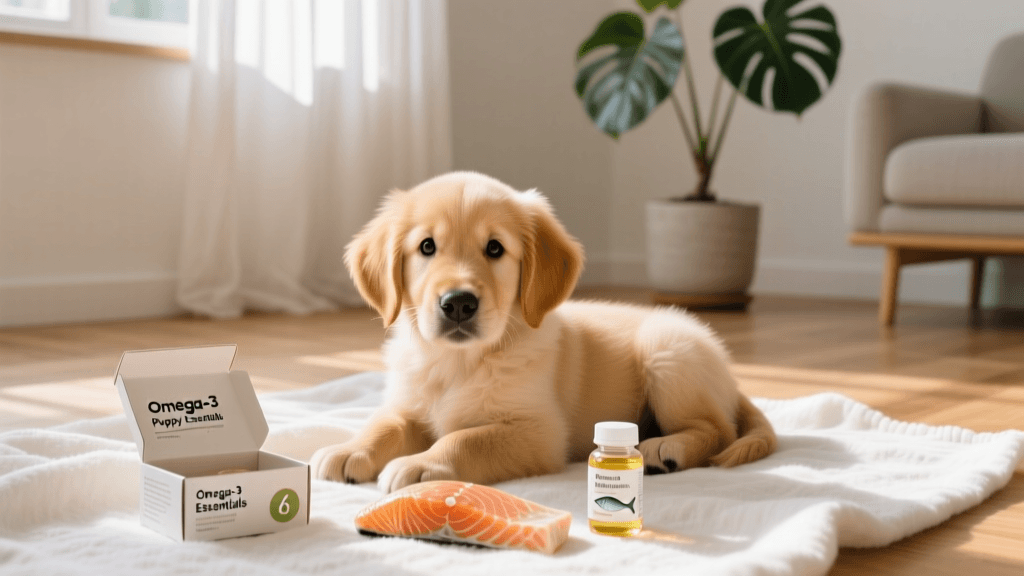
New Puppy Essentials: Top Omega-3 Supplements for 2026
Preparing for a new puppy in 2026? Discover why Omega-3 fatty acids are a crucial first-day essential for cognitive and joint development.
The Missing Link in Your 2026 Puppy Shopping List
Bringing a new puppy home in 2026 is an exhilarating milestone. You have likely spent weeks curating the perfect shopping list: the adjustable smart crate, the orthopedic memory foam bed, the GPS-enabled collar, and the enzymatic toothpaste. But amidst the excitement of preparing your home, many new owners overlook a critical first-day essential that sets the foundation for their dog's lifelong health and trainability: Omega-3 fatty acids.
While premium puppy foods have improved significantly over the years, the delicate balance of Omega-3 to Omega-6 fatty acids in commercial diets is often skewed. Treating a high-quality Omega-3 supplement as a day-one essential rather than an afterthought is one of the most impactful decisions you can make for your new companion's neurological and orthopedic development.
Why DHA and EPA Are Critical for New Puppies
When we discuss Omega-3 for dogs, we are primarily talking about two marine-derived fatty acids: Docosahexaenoic acid (DHA) and Eicosapentaenoic acid (EPA). According to veterinary nutritionists, these are not just healthy fats; they are vital structural components of a developing puppy's brain and retinas.
DHA is the superstar of cognitive development. Studies have consistently shown that puppies fed diets rich in DHA demonstrate enhanced trainability, better problem-solving skills, and improved visual acuity compared to those with deficient levels. Because a puppy's brain undergoes its most rapid growth phase between weaning and six months of age, having a dedicated Omega-3 supplement on day one is a strategic advantage for your future training sessions.
EPA, on the other hand, is your puppy's internal inflammation manager. As your new companion explores their environment, jumps off the couch, and engages in explosive puppy zoomies, their developing joints experience micro-stress. EPA helps modulate the inflammatory response, protecting growing cartilage. For large and giant breeds prone to developmental orthopedic diseases, EPA is a non-negotiable element of your first-day prep kit. As noted by experts at VCA Animal Hospitals, the anti-inflammatory properties of Omega-3s are vital for long-term joint and skin health.
Synergy: Pairing Omega-3s with Your Puppy's Base Diet
Many new owners assume that because their premium kibble lists fish oil on the ingredient label, supplementation is unnecessary. However, the manufacturing process of extruded kibble often degrades sensitive fatty acids. Furthermore, the modern canine diet is heavily reliant on Omega-6 fatty acids found in poultry fat and plant oils, which compete with Omega-3s for the same metabolic enzymes.
To achieve the optimal anti-inflammatory state, veterinary nutritionists recommend an Omega-6 to Omega-3 ratio of roughly 4:1 or lower. Most commercial puppy foods sit closer to 10:1 or even 20:1. Adding a fresh, high-quality Omega-3 supplement to your puppy's bowl from day one corrects this imbalance, ensuring that the DHA and EPA can actually be absorbed and utilized by your puppy's developing body.
Navigating the 2026 Omega-3 Market: Fish, Krill, or Algae?
The supplement aisle has evolved dramatically. In 2026, sustainability and bioavailability are the top concerns for informed pet parents. Here is how the three primary sources of Omega-3 for dogs compare when preparing for a new puppy.
| Source | DHA/EPA Profile | Bioavailability | 2026 Sustainability | Best For |
|---|---|---|---|---|
| Wild Salmon Oil | High DHA, Moderate EPA | Triglyceride form (Excellent) | High (if MSC certified) | Cognitive focus & picky eaters |
| Antarctic Krill Oil | Moderate DHA/EPA | Phospholipid form (Superior) | Very High (FAD-free) | Sensitive stomachs & joint support |
| Marine Algae Oil | Very High DHA, Low EPA | Triglyceride form (Excellent) | Maximum (Vegan/Lab-grown) | Allergies & eco-conscious homes |
Krill oil has gained massive traction recently due to its phospholipid structure, which allows the fatty acids to cross the blood-brain barrier more efficiently than standard fish oil. Meanwhile, algae oil has become the gold standard for puppies with severe seafood protein allergies, as it provides DHA directly from the source where fish get it, without the marine protein allergens.
How to Introduce Omega-3 on Day One
The first 48 hours in a new home are highly stressful for a puppy. Their digestive system is vulnerable, and introducing rich fats too quickly can lead to gastrointestinal upset, diarrhea, and a negative association with their food bowl. Here is your protocol for day one:
- Start Micro-Dosed: Ignore the bottle's recommended full dosage for the first three days. Start with exactly 25% of the recommended dose to allow your puppy's gallbladder and pancreas to adapt to the lipid load.
- Use a Lick Mat: Puppies experience stress relief through licking. Smear a small amount of plain, dog-safe Greek yogurt on a silicone lick mat, and drizzle your micro-dose of Omega-3 oil over it. This turns a supplement into an enrichment activity.
- Monitor Stool Quality: If your puppy's stool becomes soft, do not panic. Simply reduce the dose by half and increase it more gradually over the next week.
Red Flags: What to Avoid When Buying Puppy Supplements
Not all oils are created equal, and rancid fats can actually cause cellular damage rather than prevent it. When shopping for your puppy's first-day essentials, avoid these common pitfalls:
Avoid Cod Liver Oil: While it contains Omega-3s, cod liver oil is dangerously high in Vitamins A and D. Puppies are highly susceptible to hypervitaminosis A, which can cause severe skeletal abnormalities and joint pain. Stick to oils derived from the bodies of fish like salmon or sardines, not their livers. The Tufts University Cummings Veterinary Medical Center explicitly warns pet owners about the risks of improper vitamin supplementation and the importance of targeted fatty acid sources.
Demand Third-Party Testing: In 2026, heavy metal contamination in marine environments remains a concern. Only purchase brands that display a Certificate of Analysis from independent testers like IFOS or the NMIA. This guarantees the oil is free from mercury, lead, and PCBs.
Beware of Clear Plastic Bottles: Light and oxygen are the enemies of Omega-3s. If the oil is packaged in a clear bottle on a store shelf, it is likely already oxidized. Always opt for opaque, UV-protected glass or BPA-free aluminum bottles with pump dispensers that limit air exposure.
Calculating the Right Dosage for Your Puppy's Breed Size
Dosing Omega-3 for dogs is not a one-size-fits-all scenario. The therapeutic dose depends heavily on your puppy's expected adult weight and their specific developmental needs. According to guidelines established by the World Small Animal Veterinary Association (WSAVA), nutritional planning must be tailored to the individual animal's growth curve.
- Small Breeds (Under 20 lbs): Require a higher concentration of DHA relative to their body weight to support rapid neurological development and high metabolic rates. Target 20-30 mg of combined EPA/DHA per pound of body weight daily.
- Medium Breeds (20-50 lbs): Benefit from a balanced DHA/EPA ratio. Target 15-20 mg of combined EPA/DHA per pound of body weight daily.
- Large and Giant Breeds (Over 50 lbs): Require a higher proportion of EPA to manage the significant inflammatory stress placed on rapidly growing joints and growth plates. Target 10-15 mg of combined EPA/DHA per pound of body weight daily, but prioritize EPA-heavy formulas.
Your First-Week Omega-3 Action Plan
To ensure your new puppy thrives from the moment they cross your threshold, follow this structured first-week integration plan:
- Day 1 (Arrival): Set up the feeding station. Offer the first meal with 25% of the target Omega-3 dose mixed into a high-value wet topper.
- Day 2-3 (Settling In): Maintain the 25% dose. Monitor energy levels, coat texture, and stool consistency. Introduce the oil via a frozen lick mat for evening wind-down.
- Day 4-5 (Ramping Up): Increase the dose to 50%. Begin incorporating the oil directly over their dry kibble, allowing it to soak in for five minutes before serving to enhance palatability.
- Day 6-7 (Full Integration): Reach 100% of your calculated target dose. Store the bottle in the refrigerator to preserve freshness and prevent oxidation.
Preparing your home for a new dog requires foresight, and prioritizing cognitive and joint health from day one gives your puppy the ultimate head start. By selecting a high-quality, third-party tested Omega-3 supplement and introducing it thoughtfully, you are investing in a smarter, healthier, and more resilient companion for the years ahead.
jonas-cole
All our authors care for dogs every day — read more of their work on the authors page.