New Dog Safety: Puppy-Proofing and Emergency Kits
Discover essential puppy-proofing tips and build a comprehensive emergency kit to keep your new dog safe from day one. Read our expert safety guide.
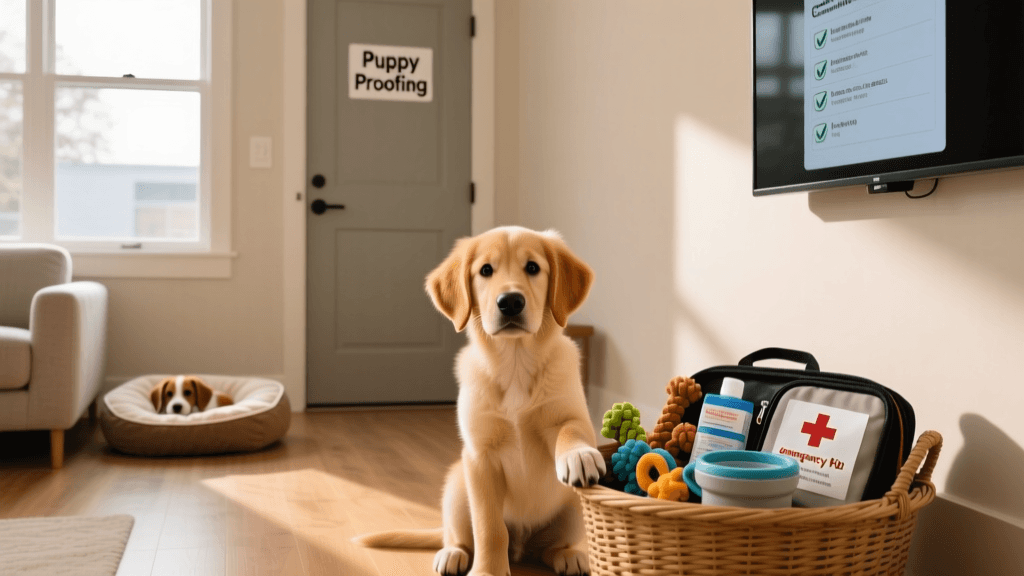
Welcome Home: Prioritizing Safety for Your New Dog
Bringing a new dog into your home is one of life’s most rewarding experiences, but it also introduces a host of hidden hazards. Whether you are adopting a curious eight-week-old puppy or a fully grown adult rescue dog, their instinct is to explore their new environment using their nose and mouth. This natural curiosity can quickly lead to accidental poisonings, choking hazards, or electrical shocks if your home is not adequately prepared. According to the American Kennel Club, thousands of pets are treated in emergency veterinary clinics each year for preventable household accidents. As a new dog owner, transitioning your mindset to view your home through the eyes of a toddler is the first and most critical step in ensuring your new companion’s safety.
Room-by-Room Puppy-Proofing Checklist
Before your dog’s first day home, conduct a thorough 'toddler test' by getting down on your hands and knees to see your space from their eye level. Here is how to secure the most dangerous zones in your house:
The Kitchen and Bathrooms
These rooms contain the highest concentration of toxins and hazards. Install childproof latches, such as the Safety 1st OutSmart Flex Locks (approximately $8 for a two-pack), on all lower cabinets. This prevents dogs from accessing cleaning supplies, bleach, and laundry detergent pods, which are highly toxic and can cause severe chemical burns or gastrointestinal blockages. Ensure all human medications, including vitamins and supplements, are stored in high, closed cabinets. Never leave pills on a nightstand or counter, as dogs can easily mistake them for treats.
Living Areas and Bedrooms
Electrical cords pose a severe bite and electrocution risk. Use J-Channel cable raceways or split loom tubing to encase and hide wires behind entertainment centers and desks. Additionally, secure heavy furniture and televisions to the wall using anti-tip straps to prevent them from toppling over if your dog jumps or leans against them. Be mindful of small objects on the floor—coins, hair ties, children's toys, and socks can easily be swallowed, leading to life-threatening intestinal obstructions that require expensive emergency surgery.
Indoor and Outdoor Plants
Many common household and garden plants are highly toxic to dogs. Sago palms, oleander, azaleas, and certain lilies can cause acute liver failure or cardiac arrest if ingested. Research every plant in your home and yard using the ASPCA’s comprehensive toxic plant database, and remove any hazardous greenery immediately.
The Ultimate New Dog Emergency First-Aid Kit
Accidents can happen even in the most meticulously puppy-proofed homes. Having a dedicated canine first-aid kit readily accessible can stabilize your dog during an emergency while you transport them to the veterinarian. You can assemble this kit in a waterproof tackle box or a dedicated zipper pouch for under $60.
| Item | Purpose and Usage | Estimated Cost |
|---|---|---|
| 3% Hydrogen Peroxide | Used to induce vomiting only if explicitly directed by a vet or poison control. Never use higher concentrations. | $4.00 |
| Digital Rectal Thermometer | To check body temperature. A dog's normal range is 101.0°F to 102.5°F. Lubricate with petroleum jelly before use. | $12.00 |
| Self-Adhering Bandage (Vet Wrap) | Secures gauze and dressings without sticking to your dog's fur or skin. Essential for wrapping injured paws. | $6.00 |
| Styptic Powder (e.g., Kwik Stop) | Applies direct pressure and stops bleeding instantly if you accidentally clip a nail too close to the quick. | $8.00 |
| Blunt-Tipped Scissors | For safely cutting bandages, tape, or removing foreign objects tangled in your dog's fur. | $5.00 |
| Saline Eye Wash | To flush out dirt, debris, or mild irritants from the eyes. Do not use medicated human eye drops. | $6.00 |
| Soft Nylon Muzzle | Even the sweetest dog may bite when in severe pain or shock. Keep one properly sized for your dog's snout. | $12.00 |
| Diphenhydramine (Benadryl) | For mild allergic reactions or bee stings. Always verify the exact mg/lb dosage with your vet beforehand. | $5.00 |
Crucial Warning: Never administer human pain medications like Ibuprofen (Advil), Acetaminophen (Tylenol), or Naproxen (Aleve) to your dog. These are highly toxic and can cause fatal kidney failure or internal bleeding. Always consult a professional before giving any oral medication.
Common Household Toxins to Banish Immediately
Understanding what is toxic to dogs is a cornerstone of new dog safety. The ASPCA Animal Poison Control Center handles hundreds of thousands of toxic exposure cases annually. Below are the most common and dangerous culprits found in modern homes:
| Toxin | Common Sources | Health Risks |
|---|---|---|
| Xylitol (Birch Sugar) | Sugar-free gum, diet baked goods, some peanut butters, mints. | Rapid, profound hypoglycemia (low blood sugar) and acute liver failure. |
| Grapes and Raisins | Fruit bowls, trail mix, baked goods, cereals. | Idiosyncratic toxicity leading to sudden and irreversible kidney failure. |
| Chocolate | Candy, baking cocoa, protein bars (dark chocolate is most dangerous). | Contains theobromine; causes vomiting, diarrhea, tremors, and seizures. |
| Allium Family | Onions, garlic, leeks, chives (powdered forms are highly concentrated). | Destroys red blood cells, leading to severe hemolytic anemia. |
Evacuation Planning and Disaster Preparedness
Emergency preparedness extends beyond medical accidents. Natural disasters, fires, or sudden evacuations require a specific plan that includes your new dog. According to FEMA's Ready.gov pet preparedness guide, you should never leave your pets behind during an evacuation, as they cannot survive on their own in disaster zones.
Build a Canine 'Go-Bag'
Keep a waterproof duffel bag near your primary exit containing the following supplies, rotated every six months to ensure freshness:
- Food and Water: A minimum three-day supply of dry food in an airtight container, and one gallon of water per day (dogs generally need 1 ounce of water per pound of body weight daily).
- Collapsible Bowls: Silicone travel bowls that pack flat.
- Medical Records: Physical copies of vaccination records, rabies certificates, and a list of current medications in a sealed plastic sleeve.
- Leash and Harness: A sturdy, non-retractable 6-foot leash and a secure, escape-proof harness.
- Comfort Items: A familiar blanket and a durable chew toy to reduce anxiety in a shelter or hotel environment.
Microchipping and Identification
Collars can slip off during chaotic evacuations. Ensure your dog is microchipped with an ISO 11784/11785 compliant 15-digit chip. Most importantly, register the chip with your current phone number and address in the manufacturer's database. A microchip is useless if the registry information is outdated. Additionally, ensure your dog wears a sturdy collar with a riveted ID tag displaying your mobile number at all times.
Establishing Your Emergency Communication Plan
When a crisis strikes, panic can make it difficult to think clearly. Before your dog even arrives home, program the following numbers into your smartphone and post them on your refrigerator:
- Your Primary Veterinarian: For daytime, non-life-threatening concerns.
- Local 24/7 Emergency Veterinary Hospital: Map out the fastest route from your home and note their after-hours entrance procedures.
- ASPCA Animal Poison Control Center: (888) 426-4435. Note that a consultation fee may apply, but their toxicologists are available 24/7/365 and can direct your local vet on exact life-saving treatments.
- A Trusted Neighbor or 'Pet Buddy': Designate someone who lives nearby and has a key to your home. If you are away and a fire or emergency occurs, they can safely extract your dog.
Final Thoughts on New Dog Safety
Preparing for emergencies and puppy-proofing your home is not about living in fear; it is about empowering yourself to be a proactive, responsible owner. By investing a weekend in securing your living space, assembling a comprehensive first-aid kit, and establishing a clear evacuation protocol, you are laying the foundation for a long, healthy, and joyous life with your new best friend. Safety is the ultimate expression of love for your new dog.
anouk-beaumont
All our authors care for dogs every day — read more of their work on the authors page.