Adopting a Retired Greyhound: The Ultimate Preparation Guide
Discover what to expect when adopting a retired racing Greyhound. Learn essential prep tips, gear requirements, and transition advice for your new sighthound.
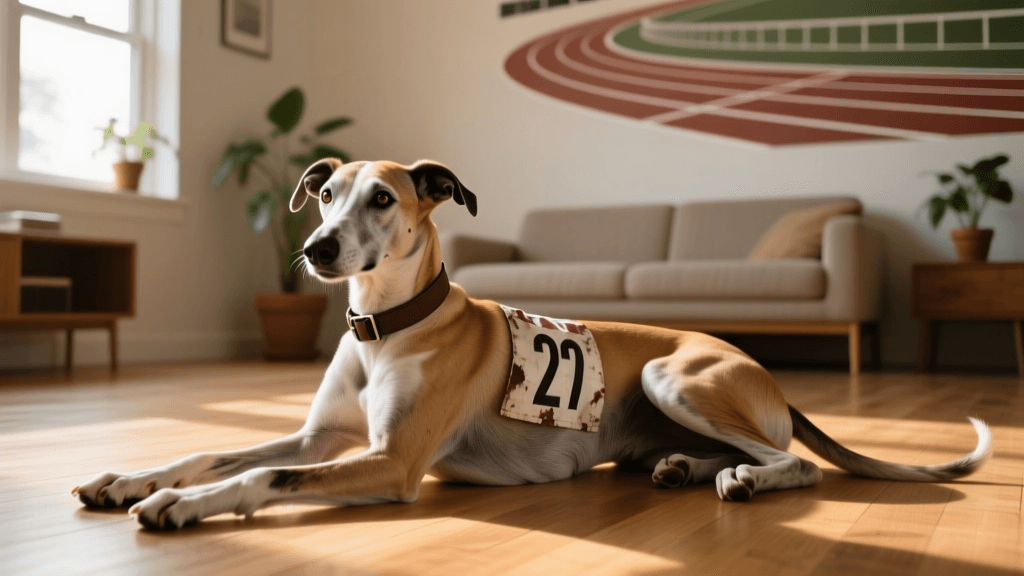
Bringing a retired racing Greyhound into your home is one of the most rewarding decisions a dog lover can make. Known affectionately in the rescue community as "45-mph couch potatoes," these gentle, sensitive sighthounds make incredible companions. However, transitioning a dog from a racing kennel to a living room requires specific preparation, specialized gear, and a deep understanding of their unique background.
If you are considering adding a retired racer to your family, this comprehensive deep dive will walk you through everything you need to know before adoption day.
"A Greyhound's transition from a kennel to a house involves navigating a world they have never experienced. Patience and a structured environment are your greatest tools."
The Myth vs. Reality of Greyhound Energy
One of the most pervasive myths about Greyhounds is that they require hours of rigorous daily exercise. Because they are bred for sprinting, many prospective adopters assume they need a marathon-runner lifestyle. In reality, Greyhounds are sprinters, not endurance athletes. According to the American Kennel Club (AKC), Greyhounds are surprisingly low-energy indoors and are perfectly content lounging on the sofa for most of the day.
A healthy adult Greyhound typically requires two 20-to-30-minute walks per day, coupled with occasional access to a securely fenced area for a good sprint. Their thin coats and lack of insulating body fat also mean they are highly sensitive to extreme temperatures, making them strictly indoor dogs who prefer climate-controlled environments over outdoor adventures.
Essential Gear for Your New Sighthound
Greyhounds possess a unique physiology that renders standard dog equipment ineffective or even dangerous. Their necks are often wider than their heads, meaning a standard buckle collar can easily slip off if the dog pulls backward. Furthermore, their deep chests and narrow waists require specialized harnesses.
The Sighthound Starter Kit
Before bringing your new dog home, you must invest in gear specifically designed for sighthounds. Here is a breakdown of the essentials:
| Gear Item | Purpose | Recommended Type / Brand | Estimated Cost |
|---|---|---|---|
| Martingale Collar | Prevents collar slipping due to neck-to-head ratio. | 1.5-inch to 2-inch wide nylon or leather Martingale | $15 - $30 |
| Sighthound Harness | Distributes pressure safely across a deep chest. | Ruffwear Web Master or specialized sighthound fleece harness | $40 - $70 |
| Orthopedic Dog Bed | Protects prominent joints and bony prominences from hard floors. | High-density memory foam or raised cot (e.g., Kuranda) | $80 - $150 |
| Basket Muzzle | Safe introductions to cats or small dogs; prevents scavenging. | Baskerville Ultra Muzzle (allows panting and drinking) | $20 - $35 |
| Winter Coat | Provides insulation for dogs with zero body fat in cold weather. | Fleece-lined sighthound coat (e.g., Hurtta or Chilly Dog) | $45 - $90 |
Preparing Your Home: Safety and Comfort
A Greyhound's transition from a kennel to a house involves navigating a world they have never experienced. Most retired racers have never encountered stairs, glass doors, slippery tile floors, or even squeaky toys. Preparing your home is critical to preventing injuries and reducing anxiety.
Fencing and Outdoor Safety
Greyhounds have a massive prey drive and can reach top speeds in just a few strides. Invisible or underground electronic fences are entirely ineffective and highly dangerous for this breed; the dog will simply run through the shock boundary to chase a squirrel and will not be able to find their way back. You must have a physical fence that is at least 4 to 6 feet high, with no gaps at the bottom.
Indoor Hazards and Modifications
- Slippery Floors: Hardwood and tile can cause a Greyhound to splay out, leading to severe muscle strains or joint injuries. Lay down inexpensive area rugs or yoga mats to create safe runways through your home.
- Stairs: Many Greyhounds are terrified of stairs. You will need to teach them how to navigate steps using high-value treats and a supportive harness, taking it one step at a time.
- Windows and Glass Doors: Racers are not used to glass. Place decals or temporary tape on glass doors at the dog's eye level to prevent them from running through the pane.
The First 48 Hours: A Step-by-Step Transition Plan
The ASPCA recommends a structured decompression period for any newly adopted dog, but this is especially vital for retired racers who are experiencing culture shock. The first two days will set the tone for your dog's adjustment.
Day 1: Arrival and Decompression
When your Greyhound arrives, keep the environment incredibly quiet. Do not invite friends or neighbors over to meet the new dog. Leash them and walk them around the perimeter of your yard to allow them to sniff and eliminate. Bring them inside, show them their designated bed, and offer a bowl of water. Expect them to sleep heavily; the sensory overload of a new environment is exhausting.
Day 2: Establishing a Routine
Greyhounds thrive on the strict routines they experienced in racing kennels. Establish a firm schedule for potty breaks, meals, and walks. Because they are kennel-trained, most Greyhounds are naturally housebroken—they simply need to learn that your house is their new kennel and that they must hold it until you take them outside. Take them out immediately upon waking, after meals, and right before bed.
Diet and Nutrition: Fueling the Sighthound
When a Greyhound retires from the track, their caloric needs drop significantly. Racing Greyhounds consume high-protein, high-fat diets to maintain muscle mass and energy. Once they transition to a pet lifestyle, their metabolism slows, and they are highly prone to rapid weight gain. Excess weight on a Greyhound puts devastating stress on their joints and can exacerbate conditions like arthritis.
Most adoption groups recommend feeding a high-quality kibble with a protein content of around 21% to 24% and a fat content of 10% to 15%. You should aim to keep your Greyhound at a weight where you can easily feel their ribs with a light touch, but the ribs should not be prominently visible. Typically, an adult male Greyhound will eat between 3 to 4 cups of food per day, while females will eat slightly less. Always use a raised feeder to reduce the risk of bloat (Gastric Dilatation-Volvulus), a life-threatening condition common in deep-chested breeds.
Common Challenges and How to Overcome Them
While Greyhounds are generally docile, their unique background can present specific behavioral quirks that first-time sighthound owners must be prepared to handle.
Prey Drive and Small Animal Introductions
Because they are bred to chase a mechanical lure, many Greyhounds have a high prey drive. Some are cat-safe or small-dog safe, but this must be rigorously tested by the adoption agency before you bring them home. Even if a dog is deemed cat-safe, you must use a basket muzzle and a martingale collar during all initial interactions, and never leave them unsupervised with small pets.
Separation Anxiety and Kennel Stress
Racing Greyhounds are rarely left alone; they are housed in communal kennels and surrounded by constant activity. Transitioning to an empty, quiet house can trigger separation anxiety or kennel stress, which may manifest as whining, pacing, or destructive chewing. Providing a safe, enclosed space like a large wire crate with the door tied open, or a gated-off room with their orthopedic bed, can help them feel secure when you leave the house. Leaving a white noise machine or a radio playing softly can also mimic the ambient sounds of a kennel and soothe their nerves.
Veterinary Considerations: Anesthesia Sensitivity
It is vital to find a veterinarian who is experienced with sighthounds. Greyhounds have a unique liver enzyme profile that makes them highly sensitive to certain barbiturate-based anesthetics. Using standard anesthesia protocols can lead to prolonged recovery times or fatal complications. Always confirm with your vet that they use sighthound-safe protocols, such as Propofol or Isoflurane, before scheduling any surgeries, including routine dental cleanings.
Final Thoughts on Greyhound Adoption
Adopting a retired racing Greyhound is a profound commitment to an animal that has spent its entire life working. By investing in the proper sighthound gear, dog-proofing your home against their unique physical vulnerabilities, and allowing them the time and patience to decompress, you will be rewarded with a deeply loyal, affectionate, and remarkably gentle companion. For more tips on acclimating rescue dogs to new environments, the Humane Society of the United States offers excellent general transition guidelines that pair perfectly with breed-specific Greyhound care.
priya-sutaria
All our authors care for dogs every day — read more of their work on the authors page.