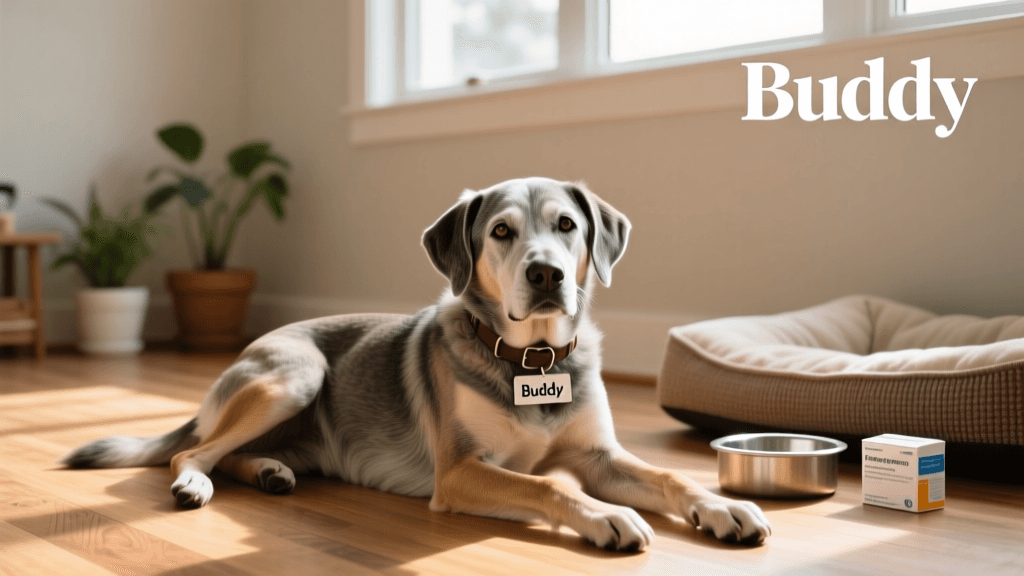
7-Day Food Transition Guide for Your Newly Adopted Dog
Learn how to safely transition your newly adopted dog to a new diet with our step-by-step 7-day feeding guide, preventing upset stomachs and stress.

Bringing Your New Dog Home: The Nutrition Challenge
Bringing a new dog home is one of the most exciting milestones in life. Whether you have just adopted a rescue from a local shelter or picked up a puppy from a reputable breeder, the first few days are a critical period of adjustment. Amidst the joy of picking out orthopedic beds, durable chew toys, and personalized collar tags, many new owners overlook one of the most vital aspects of early dog care: nutrition and feeding strategies. The transition from a shelter or breeder environment to your home is inherently stressful for a dog. This stress elevates cortisol levels, which can directly impact their gastrointestinal tract, making their digestion highly sensitive during the first week.
One of the most common mistakes new dog owners make is immediately switching their new pet to a brand-new, premium dog food without a proper transition period. While your intentions are good—wanting to provide the highest quality nutrition possible—a sudden dietary change can lead to severe digestive upset, including diarrhea, vomiting, and a complete refusal to eat. To set your new dog up for long-term health and comfort, implementing a structured, gradual food transition plan is absolutely non-negotiable.
Why a Gradual Food Transition is Crucial
The canine gastrointestinal tract relies on a delicate balance of gut flora, or microbiome, to break down food and absorb nutrients. When a dog eats the same diet consistently, their gut bacteria adapt specifically to digest those exact ingredients. According to experts at the Tufts University Cummings Veterinary Medical Center, abruptly introducing new proteins, carbohydrates, and fat profiles starves the existing beneficial bacteria and causes a rapid overgrowth of gas-producing or diarrhea-causing microbes. By slowly introducing the new food over the course of seven to ten days, you allow the dog's microbiome to adapt, produce the necessary enzymes, and maintain firm, healthy stools.
The 7-Day New Dog Food Transition Schedule
To safely transition your newly adopted dog to their new diet, follow this structured 7-day schedule. Always measure your dog's food using a standard 8-ounce measuring cup or, ideally, a digital kitchen scale for gram-level accuracy. This prevents overfeeding and ensures the correct ratios.
| Timeline | Old Food Ratio | New Food Ratio | Actionable Tips & Observations |
|---|---|---|---|
| Days 1 & 2 | 75% | 25% | Mix thoroughly. Monitor stool consistency and energy levels closely. |
| Days 3 & 4 | 50% | 50% | Watch for excessive gas or soft stools. Do not advance if diarrhea occurs. |
| Days 5 & 6 | 25% | 75% | Appetite should remain strong. Ensure fresh water is always available. |
| Day 7 | 0% | 100% | Full transition. Continue monitoring digestion for another 48 hours. |
Important Rule of Thumb: If at any point during this 7-day schedule your dog develops soft stools or mild diarrhea, pause the transition. Hold the current ratio for an additional two to three days until their stool firms up, then resume the schedule. Never push through digestive distress.
How to Calculate the Right Portion Sizes
Feeding guidelines on the back of a dog food bag are merely starting points and often overestimate the caloric needs of an average, moderately active pet. To determine exactly how much to feed your new dog, veterinary nutritionists recommend calculating their Resting Energy Requirement (RER) and adjusting for their life stage and activity level.
The basic RER formula is: 70 x (body weight in kg)^0.75. For example, if you adopt a 20 kg (44 lb) adult dog, the calculation is 70 x (20)^0.75, which equals roughly 660 calories per day. From there, you multiply by a factor based on their status: multiply by 1.6 for a neutered adult dog, 1.8 for an intact adult, and up to 3.0 for a growing puppy. Once you have the total daily calorie requirement, check the caloric content on your new dog food bag (e.g., 350 kcal/cup) to measure out the exact daily portion. Split this total amount into two separate meals to aid digestion and prevent bloat.
Choosing a High-Quality Diet for Your New Pet
With thousands of dog food brands on the market, selecting the right nutrition can feel overwhelming. When evaluating a new food for your adopted dog, always look for the Association of American Feed Control Officials (AAFCO) statement on the packaging, which ensures the diet is complete and balanced for your dog's specific life stage (e.g., growth, adult maintenance, or all life stages). Furthermore, the World Small Animal Veterinary Association (WSAVA) strongly recommends choosing brands that employ full-time veterinary nutritionists, conduct rigorous feeding trials, and maintain strict quality control protocols. Avoid boutique diets that rely heavily on exotic proteins or lack peer-reviewed nutritional research, as these have been linked to severe health issues, including canine dilated cardiomyopathy (DCM).
Managing Digestive Upset During the Transition
Even with a careful 7-day transition, rescue dogs with a history of stress, parasites, or poor shelter nutrition may experience mild gastrointestinal upset. To proactively support your dog's gut health during the first two weeks, consider incorporating the following supplements into their meals:
- Plain Canned Pumpkin: Add 1 to 2 tablespoons of 100% pure pumpkin puree (not pumpkin pie filling) to their meals. The high soluble fiber content absorbs excess water in the digestive tract and firms up loose stools.
- Canine Probiotics: Products like Purina Pro Plan FortiFlora or Proviable-DC contain beneficial bacteria that help stabilize the gut microbiome during stressful transitions. These typically cost around $25 to $35 for a 30-day supply and are highly recommended by veterinarians.
- Hydration Enhancers: Adding a splash of warm water or low-sodium, onion-free chicken broth to dry kibble not only enhances the aroma but also increases moisture intake, which is vital for kidney health and digestion.
Establishing a Lifelong Feeding Routine
Dogs thrive on predictability. Establishing a strict feeding routine from day one helps reduce anxiety and accelerates house-training. Puppies under six months of age require three to four small meals a day to maintain stable blood sugar levels and support rapid growth. Adult dogs over one year should be fed twice daily, roughly 12 hours apart (e.g., 7:00 AM and 7:00 PM). Avoid free-feeding (leaving a bowl of food out all day), as this makes it impossible to monitor your dog's appetite—a crucial early indicator of illness—and can lead to severe obesity.
Budgeting for Nutrition: New owners should budget appropriately for high-quality nutrition. For a medium-sized, 40-pound dog, expect to spend between $45 and $85 per month on premium dry kibble. If you opt for a fresh, human-grade delivery diet or a raw food regimen, costs can easily exceed $150 to $250 per month. Factor these ongoing costs into your adoption budget before bringing your dog home.
Troubleshooting Picky Eaters and Stress Fasting
It is incredibly common for newly adopted rescue dogs to refuse food for the first 24 to 48 hours due to environmental stress and separation anxiety. According to the American Kennel Club (AKC), a healthy adult dog can safely fast for a day or two without medical consequence, provided they are drinking water. Do not panic and immediately offer high-value human food or excessive treats, as this will teach your dog to hold out for table scraps and create a lifelong picky eater.
Instead, make the food more enticing by warming it slightly in the microwave for 10 seconds to release the natural fats and aromas. Feed your dog in a quiet, low-traffic area of the house where they feel secure. If your dog tends to inhale their food out of anxiety or resource guarding, invest in a ceramic slow-feeder bowl or a snuffle mat. These tools force the dog to forage and eat at a slower pace, reducing the risk of dangerous gastric dilatation-volvulus (bloat) and providing excellent mental enrichment during their adjustment period. By prioritizing a strategic, patient approach to nutrition, you lay the foundation for a vibrant, healthy, and deeply bonded relationship with your new dog.
priya-sutaria
All our authors care for dogs every day — read more of their work on the authors page.