Adopting a Senior Dog: A Complete First-Month Care Guide
Discover how to prepare your home and provide essential first-month care when adopting a senior dog, including costs, mobility aids, and health tips.
The Unique Appeal of the Older Companion
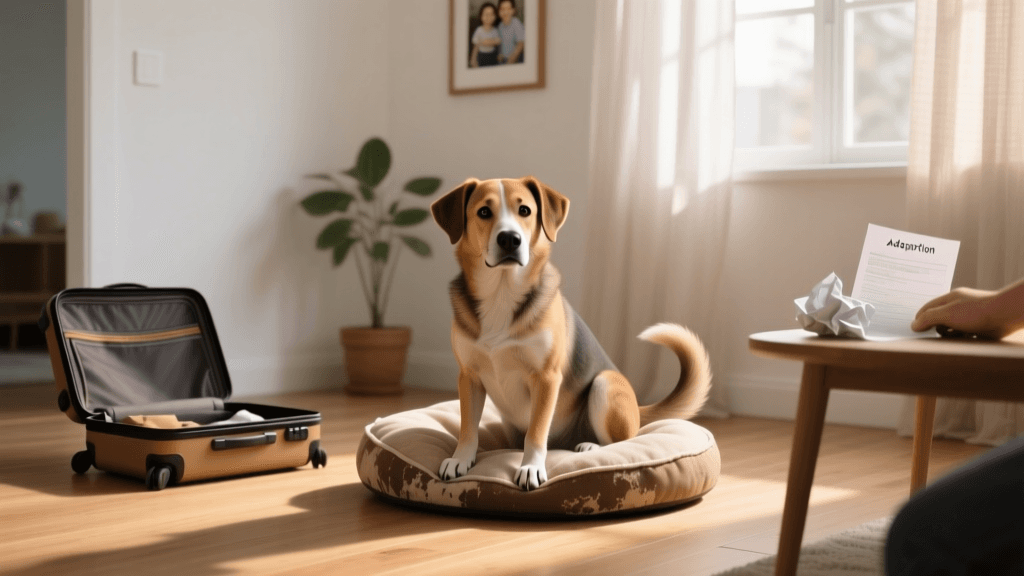
Adopting a dog is a profound commitment, but choosing to bring home a senior dog is a uniquely compassionate and rewarding decision. While puppies demand endless hours of housebreaking, chewed furniture, and basic obedience training, older dogs often arrive with established manners, a calm demeanor, and a deep capacity for gratitude. However, transitioning an aging canine into a new environment requires a specialized approach tailored to their specific life stage. This comprehensive guide will walk you through the essential preparations, financial considerations, and veterinary protocols necessary to ensure your golden-year companion thrives in their new forever home.
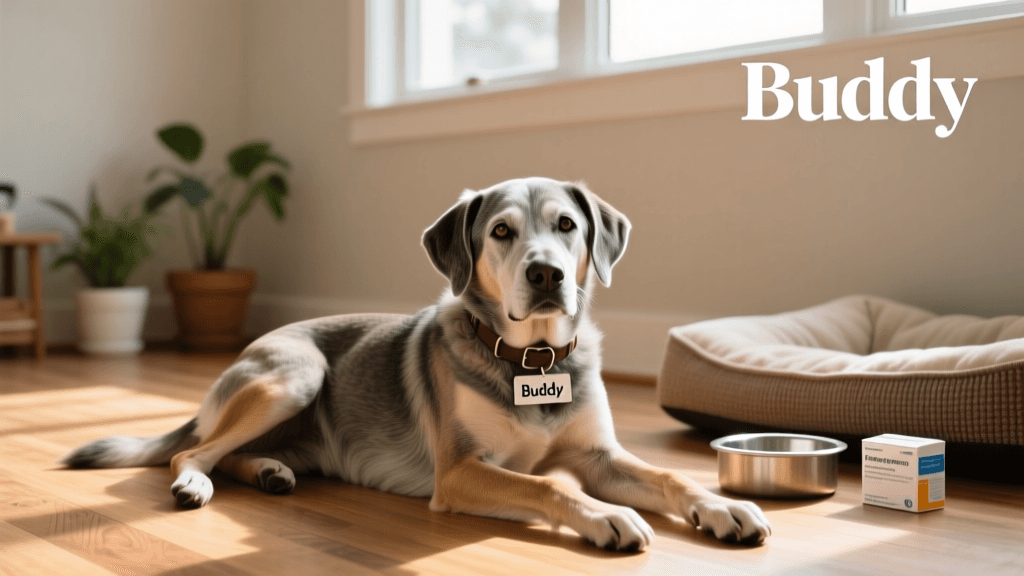
Senior dogs are frequently overlooked in shelters, yet they make incredible companions for individuals, seniors, and families seeking a relaxed household dynamic. By understanding the physiological and psychological needs of an aging dog, you can create a sanctuary that honors their past while maximizing their comfort in the years they have left.
Understanding the 'Senior' Threshold
The term 'senior' is not a one-size-fits-all designation. A dog's transition into their golden years depends heavily on their breed and overall size. Smaller dogs tend to have longer lifespans and age more slowly, whereas giant breeds can enter their senior years while still chronologically young. Understanding where your new dog falls on this spectrum is crucial for anticipating their medical and mobility needs.
| Size Category | Weight Range | Senior Threshold |
|---|---|---|
| Small Breeds | Under 20 lbs | 10 to 12 years |
| Medium Breeds | 21 to 50 lbs | 8 to 10 years |
| Large Breeds | 51 to 90 lbs | 7 to 9 years |
| Giant Breeds | Over 90 lbs | 5 to 7 years |
Preparing Your Home for Aging Joints and Senses
Before bringing your senior dog home, you must audit your living space for mobility hazards and sensory challenges. Arthritis and degenerative joint disease are prevalent in older dogs, making slippery surfaces a significant risk for falls and hip injuries.
Flooring and Traction
Hardwood, tile, and laminate floors are incredibly slippery for aging paw pads. Invest in non-slip area rugs or interlocking foam mats for high-traffic areas, particularly near entryways, feeding stations, and the dog's primary sleeping area. Ensure these rugs have rubberized backings to prevent them from sliding out from under your dog when they attempt to stand up.
Lighting and Vision
Canine vision naturally deteriorates with age, and conditions like lenticular sclerosis or cataracts can make navigating a dark house terrifying. Install motion-sensor nightlights in hallways, near the dog's bed, and along the route to the backyard. This simple, low-cost adjustment reduces anxiety and prevents nighttime disorientation.
Temperature Regulation
Older dogs struggle to regulate their body temperature. They are more susceptible to both hypothermia in the winter and heatstroke in the summer. Ensure their primary resting spot is away from drafty windows and direct air conditioning vents. During colder months, a self-warming thermal blanket or a heated pet bed (with an automatic shut-off feature) can provide immense relief to aching joints.
First-Month Essentials and Cost Breakdown
Equipping your home for a senior dog requires specific gear designed to minimize physical strain. Below is a breakdown of essential items you should procure before or immediately after adoption, along with their practical applications and estimated costs.
| Item | Specifications & Purpose | Estimated Cost |
|---|---|---|
| Orthopedic Bed | Memory foam, minimum 4 inches thick to prevent bottoming out; supports joint health. | $80 - $150 |
| Pet Ramp | Maximum 18-degree incline; essential for vehicle access and furniture climbing. | $40 - $100 |
| Raised Feeder | Elevates bowls to chest level, reducing neck strain and aiding digestion. | $25 - $50 |
| Joint Supplement | Glucosamine, Chondroitin, and MSM to support cartilage and reduce inflammation. | $25 - $45 |
| Non-Slip Rugs | Rubber-backed runners for hallways to prevent splaying and hip injuries. | $30 - $80 |
Veterinary Baselines and Nutritional Shifts
Within the first two weeks of adoption, schedule a comprehensive senior wellness exam. According to the American Kennel Club (AKC), senior dogs should undergo veterinary check-ups at least twice a year. Request a full senior blood panel, including a complete blood count (CBC), chemistry panel, and urinalysis. This establishes a baseline for kidney and liver function, which is vital for detecting age-related diseases early.
Nutrition must also be adjusted. Senior dogs generally have slower metabolisms and decreased activity levels, making them prone to obesity. Excess weight places catastrophic stress on arthritic joints. Transition your new dog to a high-quality senior-specific diet that features lower caloric density, higher fiber, and targeted supplements like Omega-3 fatty acids (EPA and DHA) to combat joint inflammation. Always transition food gradually over 7 to 10 days to avoid gastrointestinal distress.
Navigating Cognitive Changes and Anxiety
Aging affects the brain just as it affects the body. Canine Cognitive Dysfunction (CCD) is akin to dementia in humans. The ASPCA notes that signs of CCD include disorientation, altered sleep-wake cycles, and changes in social interactions. If your new dog paces at night, stares blankly at walls, or seems to forget house-training rules, consult your veterinarian immediately. There are prescription medications and specialized therapeutic diets that can slow cognitive decline.
Furthermore, the transition to a new home can trigger severe anxiety in older dogs who have lost their previous owners. Organizations like The Grey Muzzle Organization emphasize the importance of patience and routine. Do not force interactions; allow the dog to approach you on their terms. Utilize calming aids such as Adaptil pheromone diffusers or anxiety wraps during the initial adjustment period to help soothe their nervous system.
The 30-Day Decompression Timeline
Adopting a senior dog requires a structured decompression period. The '3-3-3 Rule' is a standard guideline, but older dogs may need a more extended timeline to fully settle.
- Days 1 to 3 (Decompression): Keep the environment exceptionally quiet. Limit visitors and avoid introducing the dog to other neighborhood pets. Provide a safe, enclosed space like a crate or a quiet bedroom where they can retreat. Keep potty breaks on a strict, predictable schedule.
- Days 4 to 14 (Routine Building): Begin establishing daily rhythms for feeding, walking, and sleeping. Start gentle, low-impact exercises like short, 10-minute leash walks on grass or dirt paths to protect their joints. Begin introducing basic household rules using positive reinforcement and high-value treats.
- Days 15 to 30 (Bonding and Integration): Slowly introduce the dog to new environments, car rides (using the ramp), and trusted friends. Complete the comprehensive veterinary exam and finalize their long-term medication or supplement regimen. By day 30, you should see the dog's true personality begin to emerge as their anxiety fades.
Conclusion
Bringing home a senior dog is an act of profound empathy. While they may require specialized gear, dietary adjustments, and a more patient approach to training, the return on investment is immeasurable. By proactively preparing your home, understanding their physiological limits, and providing targeted veterinary care, you are granting an older dog the dignity, comfort, and love they deserve in their final chapters. In return, they will offer you a quiet, steadfast devotion that only a mature dog can provide.
beth-carrasco
All our authors care for dogs every day — read more of their work on the authors page.