Adopting a Senior Dog: Your First Month Care Guide
Discover essential tips for adopting a senior dog. Learn how to prepare your home, manage health care, and ensure a smooth first month for your older pet.

Why Choose a Senior Dog?
Getting a dog is a monumental decision that brings immense joy, companionship, and responsibility into your life. While many prospective owners in the 'Getting a Dog' category naturally gravitate toward puppies, adopting a senior dog offers a profoundly rewarding alternative. According to the Grey Muzzle Organization, older dogs often face the longest wait times in shelters, despite being incredibly loving and well-mannered companions. Senior dogs typically come with established temperaments, are already house-trained, and require less intense physical exercise than their younger counterparts.
However, bringing an older dog into your home requires a specialized approach to life stage care. The ASPCA notes that dogs are generally considered senior when they enter the last 25% of their expected lifespan, which can mean as early as six to eight years for large breeds, or ten to twelve years for small breeds. Preparing your home and establishing a tailored routine for their specific physical and cognitive needs is critical for a successful transition.
Preparing Your Home for Limited Mobility
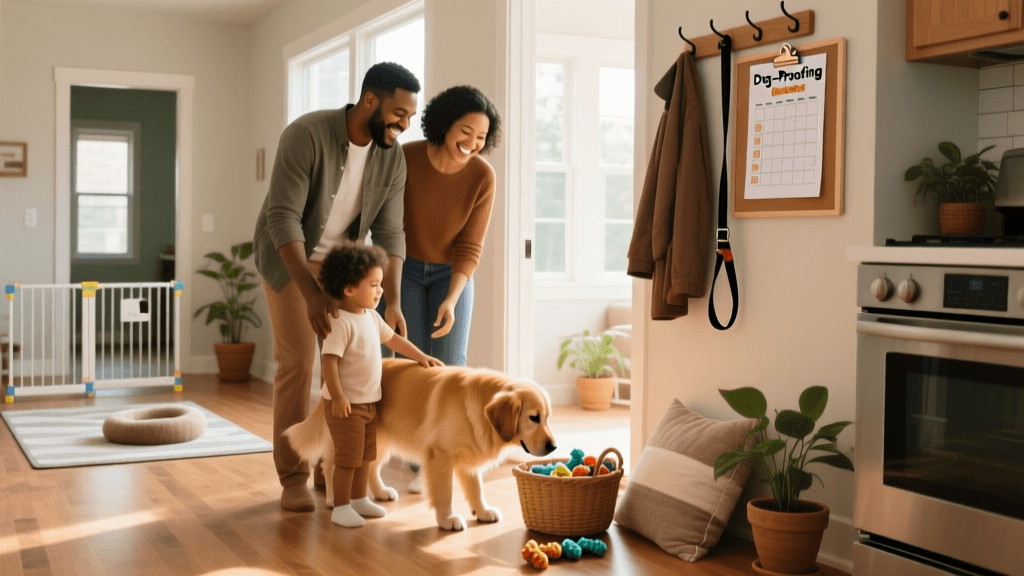
Before your senior rescue dog crosses the threshold, you must dog-proof and senior-proof your living space. Aging joints, arthritis, and decreased vision mean that the environment must be optimized for safety and comfort.
Flooring and Traction
Hardwood, tile, and laminate floors are notoriously slippery and can cause severe injuries to dogs with hip dysplasia or weakened hind legs. Cover high-traffic areas and pathways with non-slip area rugs or interlocking foam floor tiles. Ensure the rugs have rubberized backing to prevent shifting when the dog walks over them.
Ramps and Stairs
Jumping onto furniture or into vehicles can cause micro-fractures or exacerbate existing joint pain. Invest in a sturdy ramp, such as the PetSafe Happy Ride Folding Pet Ramp, which supports up to 150 pounds and features a high-traction surface. When selecting a ramp, aim for a gentle slope ratio of 1:3 (one inch of rise for every three inches of ramp length) to ensure your dog can walk up without straining their shoulders or hips.
Orthopedic Sleeping Arrangements
Standard dog beds do not provide adequate support for aging joints. Upgrade to an orthopedic bed with high-density, medical-grade foam. The Big Barker 7-inch Orthopedic Dog Bed is a highly recommended option, as it prevents the dog from feeling the hard floor beneath them, which is crucial for preventing pressure sores on their elbows and hips. Place the bed in a draft-free, quiet corner with easy access to water.
Elevated Feeding Stations
Bending down to eat can put unnecessary strain on a senior dog's neck and spine. Use an elevated feeder positioned at the height of the dog's lower chest. For medium to large breeds, this typically means a bowl stand measuring 12 to 16 inches in height. This simple adjustment promotes better digestion and reduces joint stiffness after meals.
The First 30 Days: A Week-by-Week Timeline
The transition period for a rescue dog is often described by the '3-3-3 Rule' (three days to decompress, three weeks to learn your routine, and three months to feel at home). For senior dogs, this timeline may require even more patience, as older dogs can be more set in their ways and easily overwhelmed by environmental changes.
Week 1: Decompression and Scent Mapping
Keep your dog's world very small during the first week. Limit their access to one or two rooms to prevent them from feeling overwhelmed. Use baby gates to block off staircases and unsafe areas. Spend time sitting quietly on the floor with them, allowing them to approach you on their own terms. Stick to a bland, easily digestible diet mixed with their shelter food to avoid gastrointestinal upset.
Week 2: Establishing a Gentle Routine
Begin introducing short, low-impact walks. Instead of one long 45-minute hike, opt for three 10-minute sniffaris. Sniffing provides immense mental stimulation and tires out a senior dog without putting stress on their cardiovascular system or joints. Establish consistent times for feeding, potty breaks, and medication administration.
Week 3: The Senior Veterinary Baseline
Schedule a comprehensive senior wellness exam. According to the American Veterinary Medical Association (AVMA), senior pets should undergo bi-annual veterinary check-ups. Request a full senior blood panel (CBC, chemistry, and thyroid), a urinalysis to check for kidney function, and baseline X-rays of the hips and spine. This establishes a medical baseline and helps you catch silent conditions like early-stage kidney disease or hypothyroidism.
Week 4: Enrichment and Bonding
Introduce gentle enrichment activities tailored to their physical capabilities. Snuffle mats, lick mats, and puzzle toys that require nose work rather than pawing are excellent for keeping an older dog's mind sharp. This is also the time to begin gentle, positive-reinforcement training to build trust and establish household boundaries.
Cost Breakdown: Senior Dog vs. Puppy (First Year)
Many adopters worry about the veterinary costs associated with senior dogs. While it is true that older dogs may require more medical management, you save significantly on training, boarding, and destructive behavior replacement costs. Below is a comparative cost analysis for the first year of ownership.
| Expense Category | Puppy (First Year) | Senior Dog (First Year) |
|---|---|---|
| Initial Veterinary (Vaccines/Spay-Neuter) | $400 - $800 | $250 - $500 (Senior Panel) |
| Preventatives (Flea/Tick/Heartworm) | $150 - $250 | $150 - $250 |
| Training & Socialization Classes | $200 - $500 | $0 - $150 (Gentle Refreshers) |
| Chewed Items & Destructive Behavior | $100 - $500+ | $0 - $50 |
| Joint Supplements & Pain Management | $0 | $200 - $400 |
| Mobility Aids (Ramps, Orthopedic Beds) | $50 - $100 | $200 - $450 |
| Estimated Total First Year | $1,100 - $2,650+ | $800 - $1,800 |
As the table illustrates, the financial commitment of adopting a senior dog is often lower than that of a puppy in the first year, provided you budget appropriately for mobility aids and joint health supplements.
Nutrition and Cognitive Health Management
Aging dogs have different metabolic needs. Their metabolism slows down, meaning they require fewer calories to prevent obesity, which exacerbates joint pain. Look for senior-specific formulas that feature high-quality, easily digestible proteins and controlled fat levels. Brands like Purina Pro Plan Bright Mind or Hill's Science Diet Youthful Vitality include botanical oils and antioxidants shown to promote alertness and mental acuity in older dogs.
Joint health is paramount. Consult your veterinarian about starting a daily glucosamine and chondroitin supplement, such as Dasuquin Advanced or Cosequin. These supplements take four to six weeks to build up in the system, so starting them on day one of adoption is highly recommended. For dogs with diagnosed osteoarthritis, your vet may also prescribe NSAIDs or recommend alternative therapies like canine massage, acupuncture, or hydrotherapy.
Finally, be vigilant for signs of Canine Cognitive Dysfunction (CCD), which is similar to dementia in humans. Symptoms include disorientation, changes in sleep-wake cycles, and house-soiling. Keeping a predictable routine, providing mental enrichment, and utilizing targeted nutritional supplements can significantly slow the progression of cognitive decline.
Final Thoughts on Senior Adoption
Choosing to adopt a senior dog is an act of profound compassion. You are providing a soft landing for a dog that has lived a full life and simply needs a comfortable place to spend their golden years. By preparing your home for their mobility needs, establishing a gentle routine, and staying proactive with veterinary care, you ensure that your new companion's first month—and every month that follows—is filled with dignity, comfort, and love.
beth-carrasco
All our authors care for dogs every day — read more of their work on the authors page.