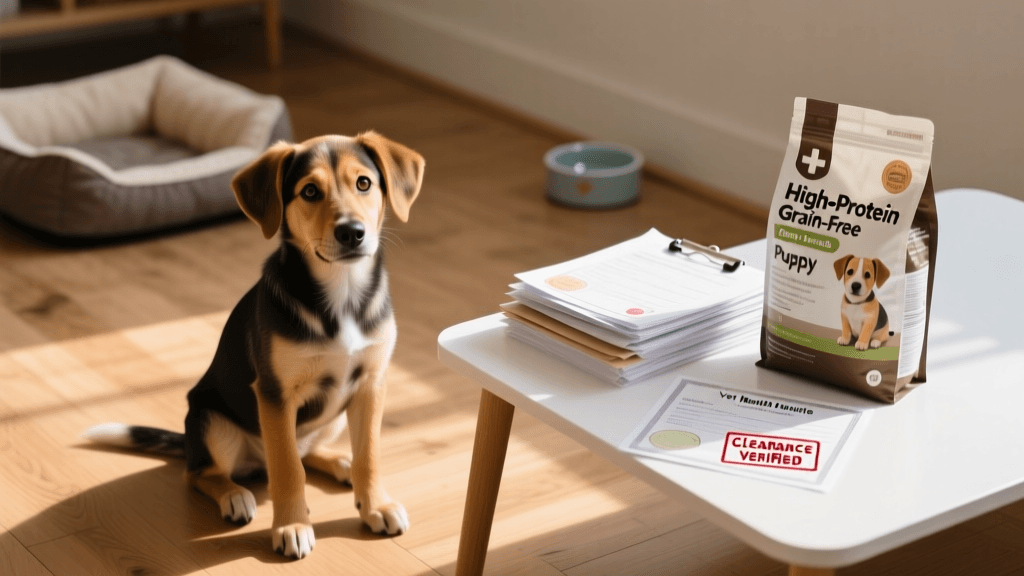
Puppy Nutrition Prep: Choosing Food and Schedules Before Adoption
Learn how to prepare your puppy's nutrition plan before adoption. Discover feeding schedules, diet transitions, and essential health tips for new owners.

Why Pre-Adoption Nutrition Planning Matters
Bringing a new puppy home is one of the most thrilling milestones in a dog owner's life. However, amidst the excitement of buying beds, toys, and leashes, many new owners overlook one of the most critical aspects of puppy care: nutrition. The transition from a breeder or shelter to a new home is highly stressful for a puppy. This stress elevates cortisol levels, which can directly impact their gastrointestinal tract, leading to diarrhea, vomiting, and a weakened immune system. By preparing a comprehensive nutrition plan before your puppy even crosses the threshold of your home, you can mitigate digestive upset, support optimal cognitive development, and lay the groundwork for a lifetime of health.
Understanding Puppy Nutritional Requirements
Puppies are not simply small adult dogs; they are rapidly growing athletes with highly specific metabolic demands. According to the World Small Animal Veterinary Association (WSAVA), growing puppies require a precise balance of macronutrients and micronutrients to support bone density, muscle growth, and neurological development.
- Protein: Puppies require a minimum of 22% crude protein on a dry matter basis, though most high-quality diets provide between 28% and 32%. Protein provides the essential amino acids necessary for tissue and muscle synthesis.
- Fat: Fat is the primary energy source for growing dogs. A puppy diet should contain between 8% and 25% fat. Crucially, the fat source should be rich in DHA (docosahexaenoic acid), an omega-3 fatty acid vital for brain and retinal development.
- Calcium and Phosphorus: The ratio of calcium to phosphorus should be strictly maintained between 1:1 and 1.5:1. Excess calcium can be just as detrimental as a deficiency, particularly in large breeds.
Decoding the Label: AAFCO and WSAVA Guidelines
When shopping for puppy food before adoption, the packaging can be overwhelming. Ignore the marketing buzzwords like "natural," "holistic," or "grain-free." Instead, look for the Association of American Feed Control Officials (AAFCO) statement. As explained by the Tufts Cummings Veterinary Medical Center, the AAFCO statement ensures the food is complete and balanced. You must look for the specific phrase: "This product is formulated to meet the nutritional levels established by the AAFCO Dog Food Nutrient Profiles for growth/all life stages."
Furthermore, prioritize brands that employ full-time veterinary nutritionists and conduct rigorous feeding trials. Brands that consistently meet WSAVA guidelines and are highly recommended by veterinary professionals include Purina Pro Plan, Royal Canin, and Hill's Science Diet. Expect to spend between $50 and $90 per month on a premium puppy diet, depending on your dog's projected adult size.
Large Breed vs. Small Breed Nutrition
If you are adopting a large or giant breed puppy (defined as breeds reaching an adult weight of 70 pounds or more, such as Golden Retrievers, German Shepherds, or Great Danes), standard puppy food is not sufficient. Large breed puppies grow at an explosive rate, making them highly susceptible to developmental orthopedic diseases like hip dysplasia and osteochondritis dissecans (OCD).
You must select a diet specifically labeled for Large Breed Growth. These formulations are legally required to have restricted calcium levels (between 1.2% and 1.8% on a dry matter basis) and controlled caloric density to prevent the puppy from growing too quickly. Conversely, small breed puppies (like Chihuahuas or Toy Poodles) have faster metabolisms and are prone to hypoglycemia. They require energy-dense kibble with smaller piece sizes to accommodate their tiny jaws and high metabolic rates.
The 7-Day Diet Transition Protocol
One of the most common mistakes new owners make is abruptly switching a puppy's food. When you bring your puppy home, ask the breeder or shelter for a small bag of the food the puppy is currently eating. Even if you plan to switch to a higher-quality brand, you must transition slowly to allow the puppy's gut microbiome to adapt. Use the following 7-day schedule to prevent gastrointestinal distress:
| Days | Old Food Percentage | New Food Percentage | Observation Notes |
|---|---|---|---|
| Days 1-2 | 75% | 25% | Monitor stool consistency; ensure high water intake. |
| Days 3-4 | 50% | 50% | Watch for signs of gas, bloating, or lethargy. |
| Days 5-6 | 25% | 75% | Stool may soften slightly; add plain pumpkin puree if needed. |
| Day 7 | 0% | 100% | Full transition complete. Maintain strict portion control. |
Establishing a Puppy Feeding Schedule
Puppies have small stomachs and high energy requirements, meaning they cannot consume their daily caloric needs in a single sitting. Establishing a consistent feeding schedule not only aids digestion but also plays a massive role in housebreaking, as puppies typically need to eliminate 15 to 30 minutes after eating.
| Puppy Age | Meals Per Day | Timing Strategy |
|---|---|---|
| 8 to 12 Weeks | 3 to 4 Meals | Breakfast, Lunch, Dinner, and a small late-afternoon snack. |
| 3 to 6 Months | 3 Meals | Breakfast (7 AM), Lunch (12 PM), Dinner (5 PM). |
| 6 to 12 Months | 2 Meals | Breakfast (7 AM) and Dinner (6 PM). Transition gradually. |
The Hidden Dangers of Free-Feeding and Measuring Errors
Free-feeding (leaving a bowl of food out all day) is strongly discouraged for puppies. It makes housebreaking nearly impossible, as you cannot predict when the puppy will need to eliminate. Furthermore, it can lead to rapid overeating and obesity, which puts undue stress on developing joints.
When measuring your puppy's food, throw away the plastic scooper or the standard baking measuring cups. A study published in the Journal of the American Veterinary Medical Association found that pet owners using standard measuring cups often overfeed their pets by up to 20%. Instead, invest in a $15 digital kitchen gram scale. Read the feeding guidelines on your specific bag of food (which are based on the food's specific caloric density, measured in kcal/cup), weigh the exact grams required for your puppy's current weight, and divide that total equally among their daily meals.
Toxic Foods and Unsafe Supplements
As you prep your kitchen for your new arrival, you must puppy-proof your pantry. The ASPCA Animal Poison Control Center warns that several common human foods are highly toxic to dogs. Ensure the following are kept in high, secure cabinets:
- Xylitol: An artificial sweetener found in sugar-free gum, peanut butter, and baked goods. It causes rapid insulin release, leading to fatal hypoglycemia and liver failure.
- Grapes and Raisins: Can cause acute kidney failure in dogs, even in small quantities.
- Alliums: Onions, garlic, leeks, and chives contain compounds that damage canine red blood cells, leading to hemolytic anemia.
- Macadamia Nuts: Can cause weakness, depression, vomiting, and hyperthermia.
Additionally, avoid giving your puppy unprescribed calcium or multivitamin supplements. If you are feeding a commercially complete and balanced AAFCO-approved puppy diet, adding extra calcium—especially to large breeds—can severely disrupt their bone growth and cause irreversible orthopedic deformities.
Conclusion
Preparing your puppy's nutrition plan before adoption is an act of profound care. By selecting a WSAVA-compliant diet, understanding the unique needs of your specific breed, utilizing a digital scale for precise portions, and executing a slow 7-day transition, you are setting your new companion up for success. A well-nourished puppy is a focused, energetic, and healthy puppy, ready to embark on a long and vibrant life by your side.
beth-carrasco
All our authors care for dogs every day — read more of their work on the authors page.