Moving With A Puppy In 2026: Stress-Free Home Transition
Discover our 2026 guide for moving with a puppy. Learn stress-free apartment transition tips, potty training resets, and essential relocation checklists.
The Reality of Relocating with a Puppy in 2026
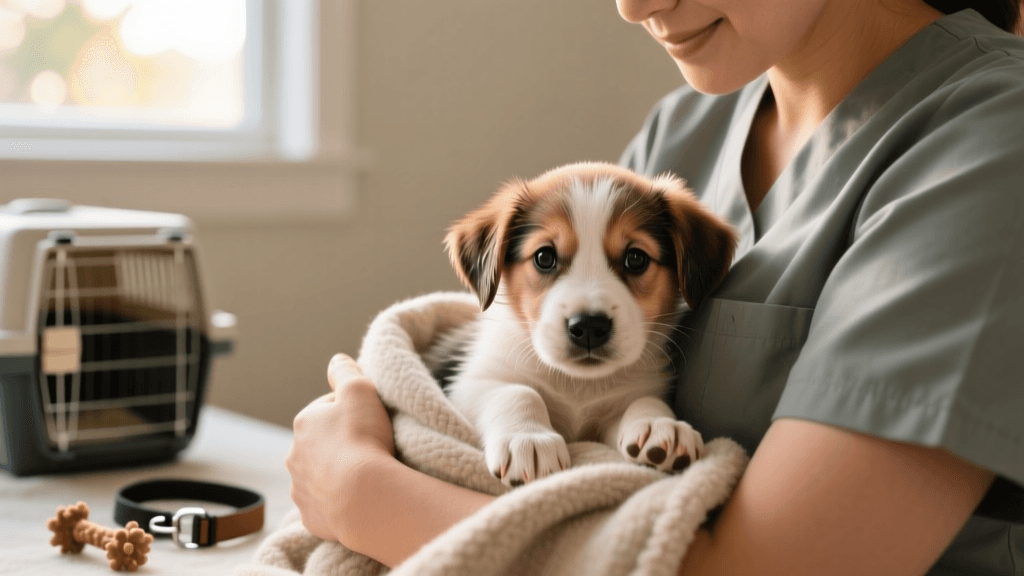
Moving to a new home is consistently ranked as one of life’s most stressful events, and when you add a growing puppy to the equation, the complexity multiplies. Puppies are creatures of habit. They rely heavily on predictable routines, familiar scents, and stable environments to feel secure. A sudden change in their living situation can trigger behavioral regressions, including potty training accidents, excessive chewing, and separation anxiety. However, with the right strategy, moving can be transformed from a traumatic event into an exciting life transition that strengthens your bond.
In 2026, modern pet care technology and advanced behavioral science offer more tools than ever to help your puppy adjust. From AI-driven pet cameras to GPS-enabled smart collars, managing your puppy’s safety and routine during a move is highly streamlined. According to the ASPCA’s guide on moving with pets, maintaining your dog’s routine as much as possible before, during, and after the move is the single most critical factor in reducing their stress. This comprehensive guide will walk you through every phase of the transition, ensuring your puppy thrives in their new environment.
Phase 1: Pre-Move Preparation and Desensitization
The transition begins weeks before the moving truck arrives. Puppies are highly perceptive and will immediately notice the disruption in their environment as boxes pile up and furniture is dismantled. The goal during this phase is to desensitize your puppy to the visual and auditory cues of moving.
Maintaining the Baseline Routine
While your schedule may be chaotic, your puppy’s schedule must remain rigid. Feed them at the exact same times, take them on their regular walks, and schedule play sessions just as you always have. If you are hiring movers, try to do the bulk of your packing in rooms the puppy does not frequently use, or pack while they are at doggy daycare. Keeping their primary sleeping and eating areas intact until the very last day will provide a crucial anchor of normalcy.
Desensitizing to Moving Supplies
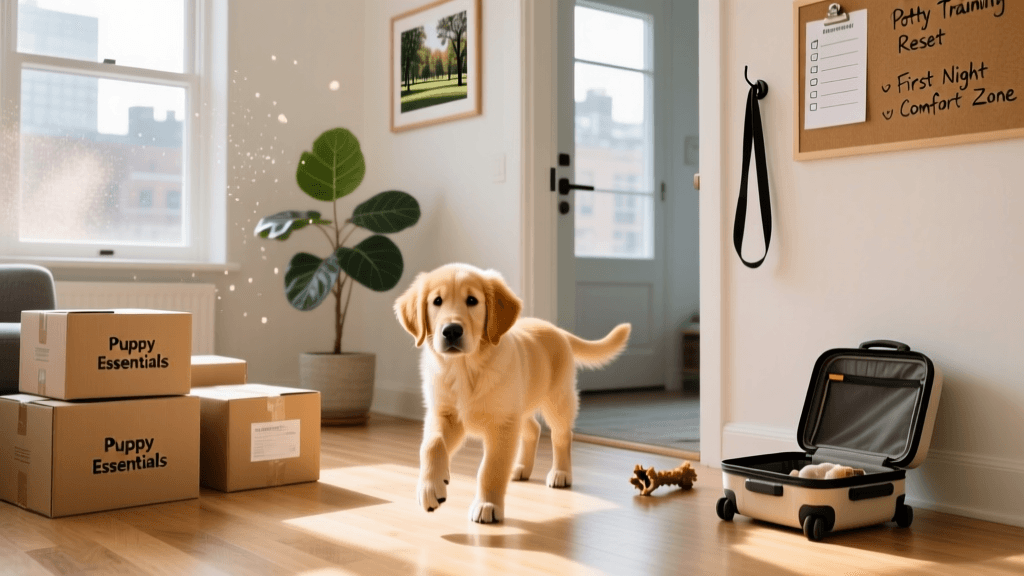
Introduce moving boxes and packing tape gradually. Leave a few empty boxes out for your puppy to sniff and explore. Toss high-value treats into the boxes to create a positive association. When you begin taping boxes, do so in short bursts so the loud, sudden noise of the tape dispenser doesn’t trigger fear. If your puppy is noise-sensitive, consider playing white noise or classical music to mask the sounds of packing.
Phase 2: Moving Day Strategy and Transport
Moving day is a whirlwind of open doors, heavy foot traffic, and unfamiliar voices. This is the time when puppies are at the highest risk of slipping out the door and becoming lost, or getting accidentally stepped on amidst the chaos.
The Safe Room Protocol
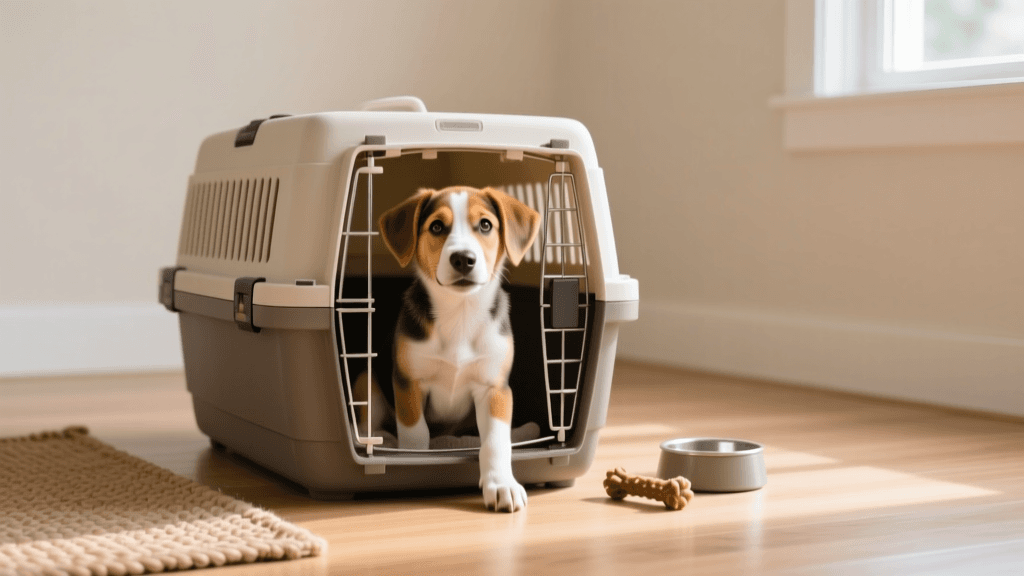
Designate one room in your old home as the “Safe Room.” This should be a quiet space, like a bathroom or a spare bedroom, completely cleared of moving hazards. Place your puppy’s crate, favorite bedding, water bowl, and a long-lasting chew toy inside. Put a clear sign on the door that says: “PUPPY INSIDE – DO NOT OPEN.” This prevents movers or well-meaning friends from accidentally letting your puppy escape.
Secure Transport and 2026 GPS Tracking
When it is time to travel to the new home, never let your puppy ride loose in the car. Use a crash-tested, hard-sided travel crate secured with a seatbelt tether. In 2026, equipping your puppy with a lightweight GPS smart collar, such as the latest Fi Series or Whistle Go models, is a non-negotiable safety measure during relocations. These devices offer real-time location tracking and safe-zone alerts directly to your smartphone, providing immense peace of mind if an accidental escape occurs during the loading or unloading process.
Phase 3: Puppy-Proofing Your 2026 Smart Home
Modern homes and apartments are filled with conveniences that can pose unique hazards to a curious puppy. Before bringing your puppy into the new space, conduct a thorough, puppy-level inspection of the premises.
- Smart Home Hazards: Many 2026 homes feature automated smart blinds, motorized doors, and AI-driven robot vacuums. Ensure that smart blind cords are completely inaccessible to prevent strangulation risks. Program your robot vacuum to run only when you are home and can supervise, as the moving brushes and suction can injure a puppy’s paws or tail.
- Balcony and Window Safety: If you are moving into an apartment, inspect the balcony railing gaps. Puppies can easily slip through or get their heads stuck. Install pet-safe mesh netting if the gaps are wider than three inches.
- Toxic Flora and Chemicals: Check the new yard or indoor spaces for toxic plants like sago palms, lilies, or oleander. Ensure that any leftover cleaning chemicals or pest control traps from the previous owners are completely removed.
For a detailed breakdown of household toxins and environmental hazards, the CDC’s Healthy Pets guidelines offer excellent, up-to-date resources on keeping your dog safe from common domestic dangers.
Phase 4: Re-establishing the Routine and Potty Training
One of the most common issues owners face after a move is potty training regression. The new home smells different, the layout is unfamiliar, and the door to the outside is in a new location. Your puppy does not inherently know where the new “outside” is.
The Potty Training Reset
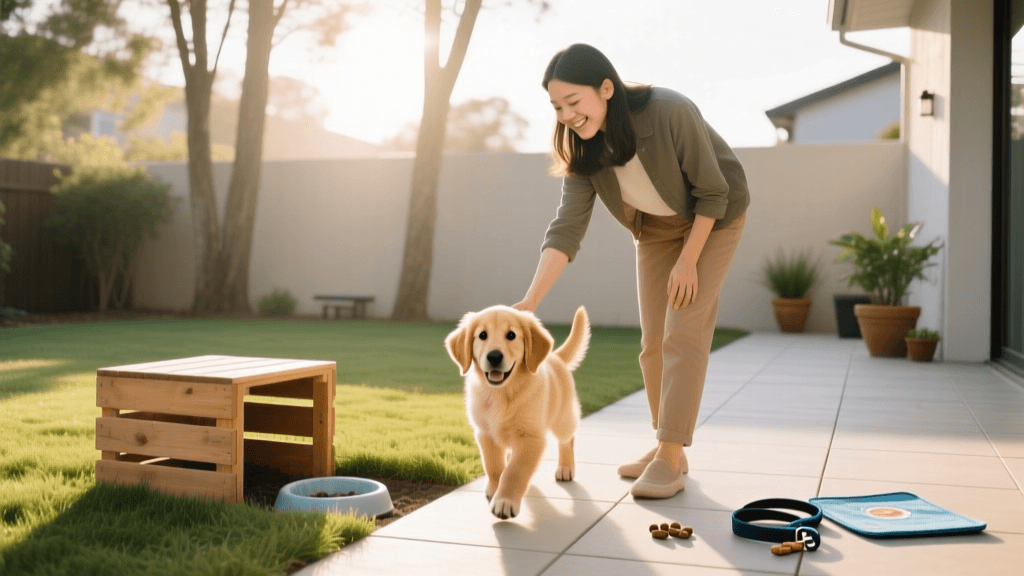
Treat the first two weeks in the new home as if you are starting potty training from day one. Take your puppy out on a leash to the designated potty spot immediately upon waking up, after every meal, after play sessions, and right before bed. Use the same verbal cue you used in your old home, and reward heavily with high-value treats the moment they eliminate in the correct spot.
If accidents happen indoors, do not punish your puppy. Clean the area immediately with a high-quality, bio-enzymatic cleaner designed specifically for pet urine. Standard household cleaners will not break down the uric acid crystals, and if your puppy can still smell their scent, they will return to that spot to mark again.
Consistent Feeding with Smart Technology
Digestion dictates potty schedules. To ensure your puppy’s digestive system remains regular, feed them at the exact same times every day. If your new routine makes this difficult, utilize a 2026 smart pet feeder. These Wi-Fi-enabled devices allow you to schedule precise portion sizes and feeding times, ensuring your puppy’s internal clock stays perfectly calibrated even if you are busy unpacking.
Puppy Moving Timeline & Checklist
Use this structured timeline to keep your relocation organized and your puppy’s stress levels low.
| Timeframe | Action Item | Pro Tip for Puppy Owners |
|---|---|---|
| 4 Weeks Out | Update microchip registry & find new vet | Ensure your 2026 contact info and new address are live in the microchip database before you move. |
| 2 Weeks Out | Begin desensitization to boxes | Feed meals near stacked boxes to build positive associations with packing materials. |
| 1 Week Out | Stock up on enzymatic cleaners & chews | Buy 30% more long-lasting chews (like bully sticks or yak cheese) than you think you will need. |
| Moving Day | Setup the Safe Room & transport securely | Keep a familiar, unwashed blanket in the crate to provide a comforting, familiar scent. |
| Day 1-3 | Restrict access to the new home | Use baby gates to confine the puppy to one or two rooms. Too much space too soon causes overwhelm. |
| Week 1-2 | Strict potty reset & routine building | Set alarms on your phone for potty breaks so you do not forget while unpacking. |
Phase 5: Neighborhood Socialization and Separation Anxiety
A new home means a new neighborhood, which presents a fantastic opportunity for continued socialization, but it also introduces new triggers. The sounds of nearby traffic, different dog breeds in the area, and unfamiliar pedestrians can be overstimulating.
Structured Neighborhood Exploration
Do not overwhelm your puppy with a long, chaotic walk on the first day. Instead, take short, structured “sniffaris” around the immediate block. Let them sniff fire hydrants, mailboxes, and grass patches to gather information about their new territory. Keep interactions with strangers and new dogs brief and positive. If your puppy shows signs of fear, increase your distance from the trigger and reward them for calm behavior.
Managing Post-Move Separation Anxiety
It is incredibly common for puppies to develop temporary separation anxiety after a move. They have just experienced a major upheaval, and their instinct is to stay glued to their primary source of security: you. To prevent this from becoming a long-term behavioral issue, practice short, low-stakes departures.
Once you are unpacked and settled, leave the house for just five minutes to grab the mail or take out the trash. Return before your puppy becomes anxious. Gradually increase the duration of your absences. Utilizing a pet camera with two-way audio and treat-tossing capabilities allows you to monitor your puppy’s stress levels and reward them remotely for settling down on their mat while you are out.
Conclusion: Patience is the Ultimate Tool
Relocating with a puppy in 2026 is a multifaceted life transition that requires logistical precision and deep emotional empathy. There will inevitably be moments of frustration—a chewed up moving box, a potty accident on the new hardwood floors, or a sleepless night in an unfamiliar room. During these moments, remember that your puppy is looking to you for guidance and reassurance.
By leaning on modern pet technology, strictly maintaining their daily routines, and puppy-proofing your new smart home, you can mitigate the vast majority of relocation stress. Give your puppy the grace and time they need to decompress. Within a few weeks, the new house will no longer be a scary, unfamiliar space; it will simply be home.
jonas-cole
All our authors care for dogs every day — read more of their work on the authors page.