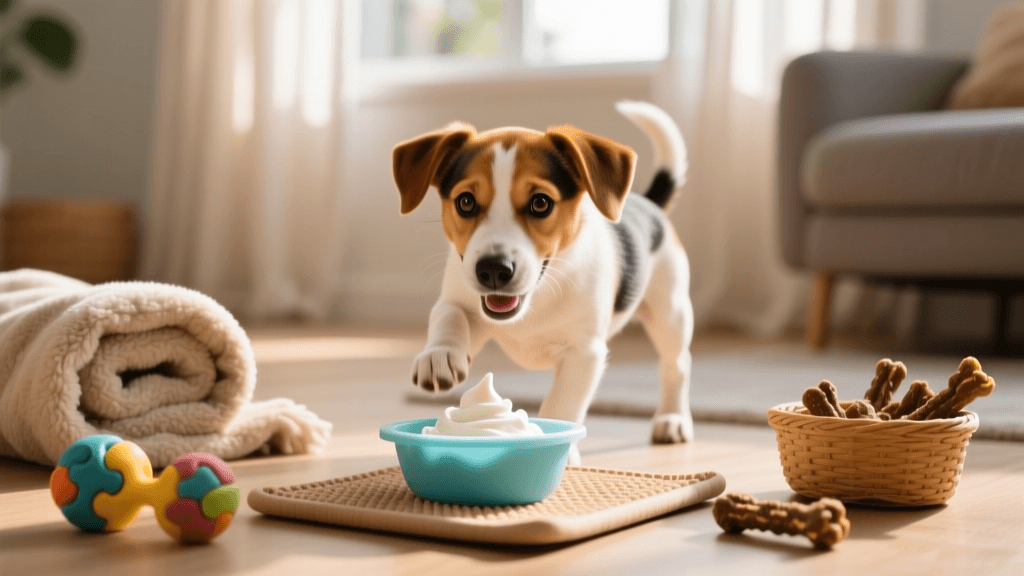
Preparing Your Home for a Rescue Puppy: First Week Guide
Bring your rescue puppy home with confidence. Discover essential tips, costs, and a timeline for the critical first week of puppy adoption and adjustment.

The Unique Journey of Adopting a Rescue Puppy
Bringing a rescue puppy into your home is one of the most rewarding experiences a dog lover can have. However, unlike puppies from breeders where early history and socialization are meticulously documented, rescue puppies often come with unknown backgrounds. They may have experienced early weaning, shelter stress, or inconsistent handling. According to The Humane Society of the United States, the transition from a loud, high-stress shelter environment to a quiet home can be overwhelming for a young dog. Understanding this emotional and physical transition is the key to a successful adoption story. This guide will walk you through the exact steps, costs, and timelines required to help your rescue puppy decompress and thrive during their critical first week.
The 3-3-3 Rule of Decompression
Before diving into logistics, every rescue adopter must understand the 3-3-3 rule. This framework helps set realistic expectations for your puppy's behavioral adjustment.
- 3 Days of Decompression: Your puppy may feel overwhelmed, scared, or unsure of their new surroundings. They might hide, refuse to eat, or sleep excessively. This is a normal trauma response to a sudden environmental shift.
- 3 Weeks to Settle In: The puppy begins to learn your routine, their true personality starts to emerge, and they start to feel more comfortable. This is when minor behavioral quirks or training gaps may appear.
- 3 Months to Feel at Home: By this mark, a bond of trust is usually established. The puppy understands that this is their forever home and feels secure in their environment.
During the first week, your primary goal is not strict obedience training, but rather building trust and providing a predictable, safe environment.
Essential Gear and Setup Costs
Rescue puppies often require specific tools to help them feel secure and to manage the inevitable accidents that come with potty training. Below is a breakdown of the essential gear you should have ready before your puppy crosses the threshold.
| Item | Recommended Product | Estimated Cost | Purpose |
|---|---|---|---|
| Snuggle Toy | SmartPetLove Snuggle Puppy | $45.00 | Mimics a mother's heartbeat to reduce nighttime crying and shelter separation anxiety. |
| Chew Toy | KONG Classic (Puppy Rubber) | $15.00 | Provides a safe outlet for teething and can be stuffed with food to build positive crate associations. |
| Crate | MidWest iCrate (with Divider) | $60.00 | Creates a den-like safe space. The divider allows you to adjust the size as the puppy grows. |
| Enzymatic Cleaner | Nature's Miracle Advanced | $14.00 | Completely breaks down uric acid in urine to prevent the puppy from re-soiling the same indoor spot. |
| Probiotic | Purina FortiFlora | $30.00 | Stabilizes the gut microbiome, which is often disrupted by shelter stress and sudden diet changes. |
Crate Sizing Tip: To measure for the perfect crate size, measure your puppy from the tip of their nose to the base of their tail, and add 4 inches. A crate that is too large will allow the puppy to soil one corner and sleep in the other, which undermines potty training.
The First 7 Days: A Day-by-Day Timeline
Day 1: The Quiet Arrival
When you first bring your rescue puppy home, resist the urge to invite friends and family over for a meet-and-greet. Keep the environment incredibly quiet. Show them their designated potty spot outside immediately. Then, bring them inside and allow them to explore a small, puppy-proofed area (like a gated kitchen or living room). Introduce the crate with the door open, placing a few high-value treats and the Snuggle Puppy inside. Let the puppy choose to enter on their own terms.
Day 2-3: Establishing the Potty Routine
Shelter puppies rarely have established potty habits. You must assume your rescue puppy has zero potty training. The golden rule for puppy bladders is that they can hold it for one hour per month of age, plus one. Therefore, a 2-month-old puppy needs to go outside every 2 to 3 hours, including overnight. Set an alarm for 2:00 AM and 5:00 AM. Take them out on a leash to the exact same spot, use a cue word like 'Go Potty,' and reward immediately with a small training treat the second they finish. If an accident happens inside, do not scold the puppy; simply interrupt with a gentle 'Oops,' carry them outside, and clean the indoor spot thoroughly with your enzymatic cleaner.
Day 4-5: Gentle Bonding and Handling
Now that the puppy is adjusting to the home, begin gentle handling exercises to build trust. Rescue puppies may be sensitive to having their paws, ears, or mouths touched. Spend 5 minutes a day gently massaging their paws while feeding them high-value treats like boiled chicken. This early desensitization will make future grooming and veterinary visits much easier.
Day 6-7: The First Veterinary Visit
Schedule a wellness exam for the end of the first week. Bring any medical records provided by the rescue organization. Your vet will perform a fecal test (intestinal parasites like giardia are notoriously common in shelter environments), check for congenital issues, and establish a vaccination schedule. This is also the time to discuss a heartworm and flea/tick prevention regimen appropriate for your puppy's exact weight.
Navigating Nutrition and Sensitive Stomachs
One of the most common issues rescue adopters face in the first week is gastrointestinal upset, manifesting as loose stools or vomiting. This is usually caused by the stress of relocation combined to a sudden change in diet. Ideally, you should ask the rescue what food the puppy was eating and purchase that exact brand. If you must switch to a higher quality food, such as Purina Pro Plan Puppy Sensitive Skin & Stomach, you must do so gradually. According to Purina's expert feeding guides, a proper transition should take 7 to 10 days.
The 7-Day Transition Schedule:
- Days 1-2: 75% old food, 25% new food.
- Days 3-4: 50% old food, 50% new food.
- Days 5-6: 25% old food, 75% new food.
- Day 7: 100% new food.
Adding a daily packet of a canine-specific probiotic like FortiFlora to their meals can significantly reduce the likelihood of stress-induced diarrhea during this transition period.
Early Socialization for Rescue Puppies
While the first week is about decompression, you must also be mindful of the critical socialization window, which closes around 14 to 16 weeks of age. The American Kennel Club (AKC) emphasizes that early, positive exposure to new sights, sounds, and surfaces is vital for preventing fear-based behaviors later in life. However, because your rescue puppy may not be fully vaccinated, you must practice 'safe socialization.'
Do not let your puppy walk on the ground in high-traffic dog areas like pet stores or dog parks where parvovirus may be present. Instead, carry your puppy in a sling or hold them in your arms while sitting on a park bench. Let them observe bicycles, children playing, buses driving by, and people wearing hats or sunglasses. Pair these novel experiences with high-value treats to build positive associations. You can also invite one or two calm, fully vaccinated, and dog-friendly adult dogs to your home for controlled, supervised playdates to help your rescue puppy learn appropriate canine body language.
Embracing the Rescue Journey
The first week with a rescue puppy is undeniably exhausting. You will lose sleep, you will clean up accidents, and you may question your decision as the puppy cries in their crate on the third night. Remember that this behavior is not a reflection of your parenting, but rather a normal reaction to a massive life change. By sticking to a predictable routine, providing the right tools, and giving your puppy the grace to decompress at their own pace, you are laying the foundation for a deeply loyal and loving bond. Every rescue puppy has a story, and with patience and preparation, you are giving them the chance to write a beautiful next chapter.
hannah-wickes
All our authors care for dogs every day — read more of their work on the authors page.