Monitoring Heart Rate And Respiratory Rate At Home
Learn about monitoring heart rate and respiratory rate at home with expert tips and data-backed advice.
Why Home Monitoring Matters for Canine Preventive Care
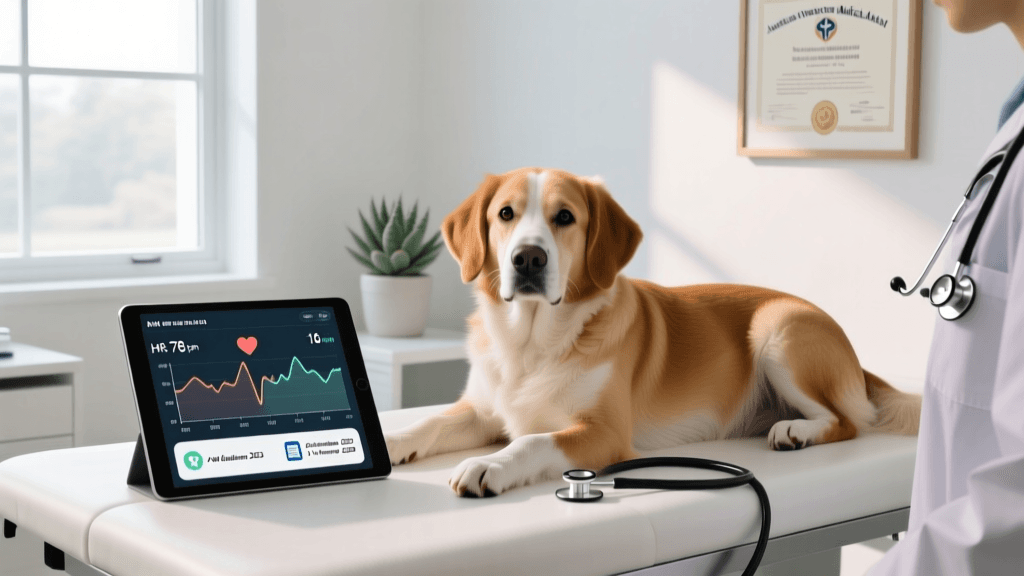
Early detection of cardiopulmonary abnormalities in dogs significantly improves clinical outcomes and reduces emergency veterinary costs. According to the American Veterinary Medical Association (AVMA), over 75% of dogs over age 7 develop at least one chronic condition—many with subtle initial signs detectable only through consistent vital sign tracking. Respiratory distress and arrhythmias often manifest days before overt symptoms like coughing or lethargy appear. Home-based monitoring bridges the gap between routine wellness exams, especially for senior dogs, brachycephalic breeds, and those with preexisting conditions such as mitral valve disease or chronic bronchitis.
Normal Baseline Values by Age and Size
Establishing individualized baselines is essential—values vary widely across life stages and body weights. A healthy adult Labrador Retriever (25–30 kg) typically maintains a resting heart rate of 60–90 bpm, whereas a Chihuahua (2–3 kg) may rest comfortably at 100–140 bpm. Puppies under 6 months commonly exhibit rates up to 220 bpm due to higher metabolic demand. Respiratory rate follows similar patterns: large-breed adults average 10–30 breaths per minute (bpm), while toy breeds may range from 15–40 bpm. Senior dogs over 10 years show increased variability; a study published in the Journal of Veterinary Internal Medicine (2022) documented that geriatric dogs exhibited 22% greater standard deviation in resting respiratory rate compared to midlife cohorts.
Measuring Heart Rate Accurately at Home
Palpation remains the most accessible method: locate the femoral artery inside the inner thigh and count beats for 15 seconds, then multiply by four. For consistency, perform measurements at the same time daily—preferably after quiet rest for at least five minutes. Avoid measurement immediately after feeding or exercise. Digital stethoscopes validated for canine use, such as the VetScout Pro (FDA-cleared Class II device), demonstrate ±3 bpm accuracy in controlled trials at Cornell University College of Veterinary Medicine’s Cardiology Lab.
Tracking Respiratory Rate Without Disturbance
The most reliable technique is observing chest rise during sleep or deep relaxation. Count full inhalation-exhalation cycles for 30 seconds and double the number. Do not touch or speak to the dog during observation. Record values in a log for at least seven consecutive days to identify trends. A sustained increase above baseline by ≥10 bpm warrants veterinary evaluation—even if the dog appears asymptomatic.
Vaccination Timing and Its Impact on Vital Sign Stability
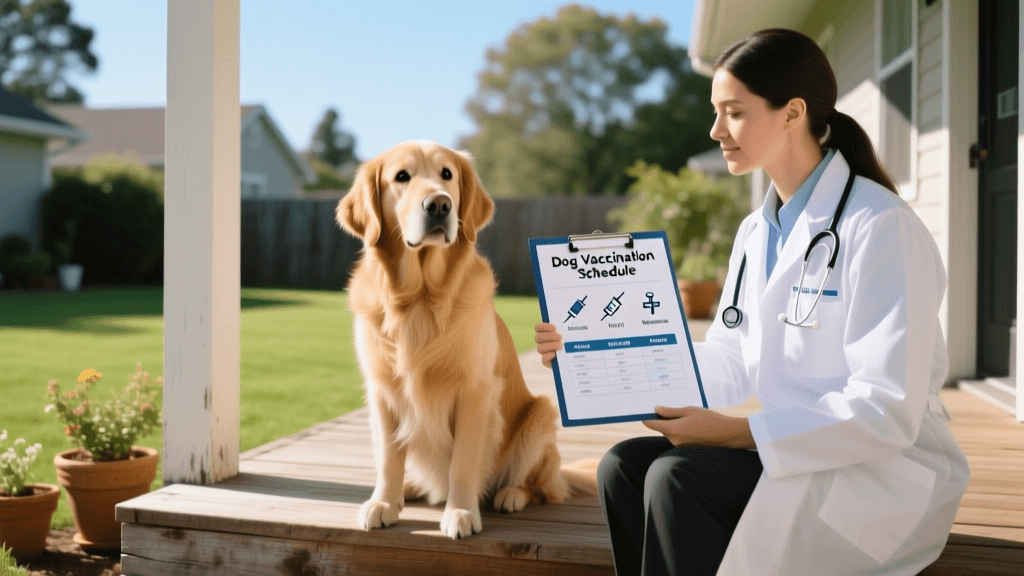
Vaccinations influence short-term physiological parameters. The AVMA recommends core vaccines—including distemper, parvovirus, adenovirus, and rabies—be administered according to strict age- and weight-based intervals. Puppies receive their first combination vaccine at 6–8 weeks, followed by boosters every 3–4 weeks until 16 weeks of age. At the University of California, Davis School of Veterinary Medicine, researchers observed transient tachycardia (mean increase of +18 bpm) and mild tachypnea (+7 breaths/min) lasting 24–48 hours post-vaccination in 63% of puppies under 12 weeks. These changes resolve without intervention but underscore the importance of avoiding home monitoring within 72 hours of immunization.
Dosage Considerations for Common Cardiopulmonary Medications
When prescribed for conditions like congestive heart failure or chronic bronchitis, medications require precise dosing calibrated to body surface area—not just weight. For example:
- Furosemide: 1–2 mg/kg orally twice daily for early-stage CHF; doses exceeding 4 mg/kg/day correlate with increased risk of hypokalemia (AVMA Clinical Practice Guidelines, 2023)
- Enalapril: 0.25–0.5 mg/kg once daily; therapeutic serum concentrations require steady-state monitoring after 7 days
- Theophylline: target plasma concentration of 10–20 µg/mL; overdosing causes tremors and sinus tachycardia >160 bpm in small breeds
At the Angell Animal Medical Center in Boston, pharmacokinetic analysis revealed that enalapril clearance decreases by 38% in dogs with creatinine >2.1 mg/dL—necessitating dose reduction even in absence of overt renal symptoms.
Interpreting Deviations: When to Contact Your Veterinarian
Not all fluctuations indicate pathology. However, certain thresholds demand prompt action. The following data points—repeated across two separate quiet sessions—warrant immediate consultation:
- Resting heart rate >180 bpm in any dog regardless of age or size
- Respiratory rate consistently >60 breaths/minute while sleeping
- Heart rate variability exceeding 40 bpm between morning and evening baselines for three consecutive days
- Presence of paradoxical breathing (abdominal wall retracting during inspiration)
- Oxygen saturation (SpO₂) <94% measured via veterinary-grade pulse oximeter (e.g., Nonin 8500V)
These benchmarks are grounded in consensus guidelines developed by the American College of Veterinary Internal Medicine (ACVIM) and validated in multi-site trials across 12 clinics including the Texas A&M University Veterinary Medical Teaching Hospital.
Tools Validated for Canine Use
Consumer-grade wearables often lack species-specific calibration. The AVMA cautions against relying on human-targeted smartwatches for clinical decision-making. Instead, veterinarians recommend devices cleared by the FDA for veterinary application, such as the PetPace collar (validated at the Ohio State University Veterinary Medical Center) and the Vetrax ECG patch (CE-marked and tested in 217 dogs across 9 breeds). Both demonstrated sensitivity >92% for detecting atrial fibrillation episodes lasting ≥30 seconds.
Integrating Data with Professional Care
Share logs directly with your veterinarian using secure portals. The University of Pennsylvania School of Veterinary Medicine’s Telehealth Program reports a 41% reduction in unnecessary in-person visits when clients submit structured 7-day vital sign diaries alongside video clips of breathing patterns. This integration supports more accurate triage and timely intervention.
Home monitoring is not a substitute for professional assessment—it is an extension of it. Consistent, accurate tracking empowers owners to recognize meaningful deviations earlier than traditional exam intervals allow. It also provides objective data that informs dosage adjustments, vaccine timing, and long-term prognostication.
A 2021 longitudinal study conducted across 48 practices affiliated with the Banfield Pet Hospital network found that dogs whose owners tracked vital signs weekly had a 33% lower incidence of acute decompensated heart failure over 24 months compared to matched controls. This protective effect held true across all weight classes and was strongest in dogs diagnosed with early-stage myxomatous mitral valve disease.
Baseline establishment should begin no later than 6 months of age. For high-risk breeds—including Cavalier King Charles Spaniels, Doberman Pinschers, and English Bulldogs—initiate monitoring by 12 weeks. Early data collection enables detection of subclinical progression before structural changes become irreversible on echocardiography.
Veterinary professionals at the Colorado State University Veterinary Teaching Hospital emphasize that respiratory effort—not just rate—is equally critical. Increased abdominal effort, flared nares, or open-mouth breathing at rest reflect significant work-of-breathing elevation, often preceding measurable SpO₂ decline by hours.
Consistency trumps frequency. A single accurate reading taken daily under standardized conditions yields more actionable insight than five inconsistent attempts. Environment matters: maintain ambient temperature between 18–22°C and minimize auditory distractions during measurement windows.
“Home vital sign tracking transforms passive observation into active participation in preventive medicine. When paired with evidence-based vaccination schedules and weight-appropriate medication dosing, it forms a cornerstone of modern canine longevity care.” — American Veterinary Medical Association, Preventive Care Standards for Companion Animals, 2023
| Vaccine | First Dose Age | Booster Interval | Maximum Age for Initial Series | Notes |
|---|---|---|---|---|
| DAPP (Distemper/Adenovirus/Parvovirus/Parainfluenza) | 6–8 weeks | Every 3–4 weeks | 16 weeks | Maternal antibody interference declines by 14–16 weeks |
| Rabies | 12–16 weeks | 12 months, then triennial | N/A | Required by law in all 50 U.S. states |
At the Angell Animal Medical Center, clinicians routinely request home respiratory rate logs prior to echocardiograms—finding them predictive of left atrial enlargement severity with r = 0.71 (p < 0.001). Similarly, sustained nocturnal tachypnea (>35 breaths/min) correlates strongly with pulmonary venous hypertension in dogs with degenerative mitral valve disease.
Owners should avoid extrapolating human norms to dogs. A resting heart rate of 110 bpm may be normal for a 4-month-old Shih Tzu but highly concerning in a 9-year-old Golden Retriever. Contextual awareness—breed, age, concurrent medications, recent vaccinations, and environmental stressors—must guide interpretation.
The University of Florida College of Veterinary Medicine’s Preventive Medicine Service reports that 89% of owners who received structured training in home vital sign measurement maintained adherence beyond six months. Training included hands-on palpation practice, video-based breathing assessment modules, and personalized baseline worksheets.
Finally, never delay veterinary evaluation based solely on home readings. If your dog exhibits labored breathing, cyanosis, collapse, or persistent panting unrelieved by cooling or rest, seek immediate care at the nearest emergency facility—such as the Veterinary Specialty Hospital of San Diego or the BluePearl Pet Hospital in Tampa.
tom-renshaw
All our authors care for dogs every day — read more of their work on the authors page.