Dog Vaccination Schedule Explained
Learn about dog vaccination schedule explained with expert tips and data-backed advice.
Protecting Your Dog From the Start
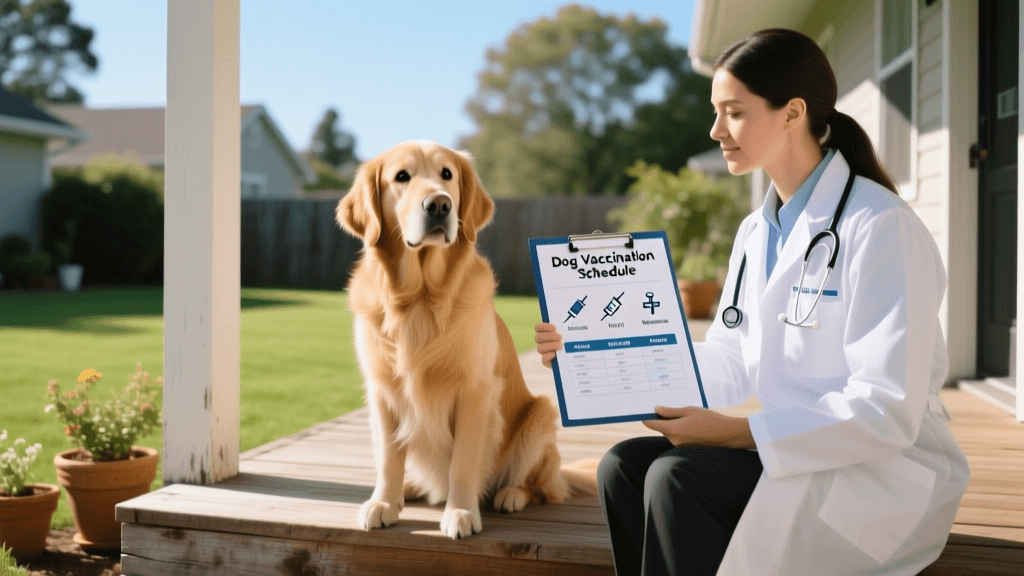
Vaccination is one of the most effective tools available to dog owners and veterinary professionals for preventing serious, often fatal infectious diseases. When a puppy is born, it receives some passive immunity through its mother's colostrum, but this protection fades rapidly — typically between six and twelve weeks of age. This window of vulnerability is precisely when a structured vaccination programme must begin. Understanding what vaccines are given, when they are administered, and how often they need to be repeated is essential for every responsible dog owner.
The British Small Animal Veterinary Association (BSAVA) and the World Small Animal Veterinary Association (WSAVA) both publish guidelines that form the backbone of vaccination protocols used by veterinary practices across the United Kingdom. These guidelines distinguish between core vaccines — those recommended for every dog regardless of lifestyle — and non-core vaccines, which are given based on individual risk factors such as geographic location, boarding habits, and exposure to wildlife.
Core Vaccines Every Dog Should Receive
Core vaccines protect against diseases that are widespread, severe, or pose a zoonotic risk to humans. In the UK, the core combination vaccine typically covers canine distemper virus (CDV), canine adenovirus (CAV-1 and CAV-2, which covers infectious canine hepatitis), and canine parvovirus (CPV-2). These three pathogens are responsible for some of the most devastating illnesses seen in unvaccinated dog populations.
Canine parvovirus, in particular, remains a significant threat. According to the People's Dispensary for Sick Animals (PDSA Animal Wellbeing Report, 2023), parvovirus cases continue to be reported in areas with low vaccination uptake, with mortality rates in untreated puppies reaching as high as 91%. Even with intensive veterinary care, survival rates without vaccination hover around 50–80% depending on the speed of treatment.
Canine distemper, once a leading cause of death in dogs worldwide, has been dramatically reduced in vaccinated populations. However, outbreaks still occur in rescue populations and in regions where vaccination coverage drops below the herd immunity threshold of approximately 70–80% of the population.
The Primary Puppy Course
The primary vaccination course for puppies typically begins at eight weeks of age, with a second dose administered two to four weeks later, usually at ten to twelve weeks. Some protocols, particularly those used in high-risk environments such as rescue centres, may include a third dose at sixteen weeks to ensure adequate protection given the variable decline of maternal antibodies.
After the primary course is complete, a booster is given at twelve months of age. This first annual booster is critical — it consolidates the immune response established during puppyhood and transitions the dog into the adult maintenance schedule.
Adult Booster Schedules
Following the twelve-month booster, the frequency of subsequent vaccinations depends on the specific components of the vaccine. WSAVA guidelines (2015, updated 2022) recommend that core vaccines such as CDV, CAV, and CPV be given no more frequently than every three years in adult dogs, as the duration of immunity (DOI) for these antigens has been demonstrated to last at least three years and often considerably longer in serological studies.
Leptospirosis, however, is a different matter. The leptospira vaccine provides a shorter duration of immunity and is recommended annually. This is because leptospira bacteria exist in multiple serovars, and the immune response to the vaccine wanes more quickly than for viral antigens. Most UK practices use a four-serovar leptospirosis vaccine (L4), which covers Canicola, Icterohaemorrhagiae, Australis, and Grippotyphosa — the strains most commonly implicated in UK infections.
Non-Core Vaccines and Risk-Based Decisions
Non-core vaccines are not universally required but are strongly recommended for dogs with specific lifestyle exposures. The most commonly administered non-core vaccines in the UK include those for kennel cough (Bordetella bronchiseptica and canine parainfluenza virus), rabies (required for international travel under the Pet Travel Scheme), and canine herpesvirus (recommended for breeding bitches).
Kennel cough vaccination is particularly relevant for dogs that attend boarding kennels, dog shows, training classes, or dog parks. The intranasal or oral Bordetella vaccine is typically given annually, though some kennels require vaccination within the six months prior to a stay. The injectable parainfluenza component is often included in the standard combination booster.
Kennel Cough: What Owners Often Misunderstand
Many owners assume that because their dog received a kennel cough vaccine, it is fully protected against all causes of infectious tracheobronchitis. This is a misconception worth addressing clearly. Kennel cough is a syndrome caused by multiple pathogens, and the vaccine covers the most common bacterial and viral contributors, but not all. Dogs can still develop mild respiratory illness from other agents. The vaccine significantly reduces severity and duration of illness rather than guaranteeing complete prevention.
The Royal Veterinary College (RVC) in London has published research indicating that dogs vaccinated against Bordetella bronchiseptica show a 60–70% reduction in clinical signs compared to unvaccinated dogs exposed to the same pathogen under controlled conditions. This is a meaningful reduction in suffering, even if it does not represent absolute protection.
Vaccination Schedule at a Glance
"Vaccination remains the single most cost-effective preventive health measure available to dog owners. The cost of treating parvovirus in a hospitalised puppy can exceed £2,000–£5,000, compared to a primary vaccination course costing approximately £50–£100. The economic and welfare case for vaccination is unambiguous." — PDSA Veterinary Policy Team, 2023
| Vaccine | First Dose | Second Dose | 12-Month Booster | Adult Frequency |
|---|---|---|---|---|
| Distemper / Adenovirus / Parvovirus (DHPPi) | 8 weeks | 10–12 weeks | Yes | Every 3 years |
| Leptospirosis (L4) | 8 weeks | 10–12 weeks | Yes | Annually |
| Kennel Cough (Bordetella / Pi) | From 3 weeks (intranasal) | Not always required | Recommended | Annually |
| Rabies | 12 weeks minimum | N/A | Per travel requirements | Every 1–3 years (travel dependent) |
Potential Side Effects and How to Respond
Vaccines are among the safest medical interventions available, but side effects do occur in a small proportion of dogs. The most common reactions are mild and transient: lethargy for 24–48 hours, mild swelling or tenderness at the injection site, and a slight reduction in appetite. These responses reflect the immune system activating and are not cause for concern in most cases.
More serious adverse reactions, including anaphylaxis, occur in fewer than 1 in 10,000 vaccinations according to data compiled by the Veterinary Medicines Directorate (VMD). Signs of anaphylaxis include facial swelling, vomiting, collapse, and difficulty breathing, typically within 30 minutes of vaccination. This is why many veterinary practices recommend keeping dogs on-site for a short observation period after vaccination, particularly for breeds known to have higher rates of hypersensitivity reactions, such as Dachshunds and Boxers.
Owners should contact their veterinary practice immediately if their dog shows any of the following signs within 24 hours of vaccination:
- Persistent vomiting or diarrhoea
- Swelling of the face, muzzle, or eyes
- Difficulty breathing or unusual respiratory sounds
- Extreme lethargy or inability to stand
- Hives or widespread skin irritation
Dogs with a documented history of vaccine reactions should not simply be left unvaccinated. Instead, the veterinary team can pre-medicate with antihistamines or corticosteroids, use single-antigen vaccines to identify the specific trigger, or extend the interval between vaccinations to reduce cumulative antigen load. Titre testing (measuring antibody levels in the blood) can also be used to assess whether a booster is genuinely needed before administering it.
Titre Testing as an Alternative to Automatic Boosters
Titre testing has gained traction among owners who are concerned about over-vaccination, particularly for the core viral antigens. A titre test measures the concentration of specific antibodies in a dog's blood, providing an indication of whether protective immunity is still present. For CDV, CAV, and CPV, a positive titre result is generally accepted as evidence that a booster is not immediately necessary.
The VacciCheck in-clinic titre test, widely available at UK veterinary practices, provides results within 20–30 minutes and tests for all three core viral antigens simultaneously. The cost typically ranges from £40–£80 depending on the practice, which is comparable to the cost of a booster vaccination itself.
It is important to note that titre testing is not appropriate for leptospirosis. The immune response to leptospira is primarily cell-mediated rather than antibody-dependent, meaning that a titre test does not reliably predict protection. Annual leptospirosis vaccination remains the standard recommendation regardless of titre results.
BSAVA guidance acknowledges titre testing as a valid tool for informed decision-making but emphasises that it should be used in consultation with a veterinary surgeon rather than as a blanket replacement for scheduled boosters. Dogs in high-risk environments, those with unknown vaccination histories (such as rescue dogs), and puppies completing their primary course should follow the standard schedule without substituting titre tests.
Special Considerations for Rescue Dogs and Older Animals
Dogs adopted from rescue organisations often arrive with incomplete or unknown vaccination histories. In these cases, the safest approach is to treat the dog as unvaccinated and begin a primary course from scratch. This is not harmful — receiving a vaccine when some immunity already exists simply results in a stronger anamnestic (memory) immune response rather than any adverse effect.
Older dogs sometimes receive less attention to vaccination schedules, with owners assuming that a dog that has been healthy for years no longer needs routine preventive care. This is a misconception. Immunity does wane over time, and older dogs may also have age-related changes in immune function (immunosenescence) that make them more vulnerable to infectious disease. Routine annual health checks, which typically include a vaccination review, are recommended throughout a dog's life regardless of age.
Dogs receiving immunosuppressive medications such as corticosteroids or chemotherapy agents should have their vaccination schedule reviewed by their veterinary surgeon. Live attenuated vaccines (such as the intranasal kennel cough vaccine) are generally contraindicated in immunocompromised animals, and the timing of any vaccination relative to immunosuppressive therapy requires careful planning.
The following documents and organisations provide authoritative guidance for owners and veterinary professionals seeking further detail on vaccination protocols:
- WSAVA Vaccination Guidelines Group — updated guidelines available at wsava.org, covering core and non-core vaccines for dogs and cats globally
- BSAVA — publishes the BSAVA Small Animal Formulary and supports UK-specific guidance through its veterinary members
- PDSA — provides accessible public-facing information on vaccination schedules and costs through its network of pet hospitals across the UK, including major centres in London, Birmingham, and Leeds
- The Royal Veterinary College, London — conducts ongoing research into vaccine efficacy, adverse event surveillance, and emerging infectious diseases in companion animals
Keeping a dog's vaccination record up to date is not merely a bureaucratic formality. It is a direct investment in that animal's long-term health, a contribution to the broader population immunity that protects dogs who cannot be vaccinated for medical reasons, and a safeguard against diseases that, while less visible than they once were, have not disappeared. Working closely with a registered veterinary surgeon to tailor a vaccination programme to an individual dog's age, health status, and lifestyle remains the most reliable path to lasting protection.
Jonas Cole
All our authors care for dogs every day — read more of their work on the authors page.