Top Mistakes To Avoid When Preparing For A New Dog
Avoid these common first-time dog owner mistakes. Learn how to budget, prepare your home, and set up a routine before bringing your new puppy or rescue home.
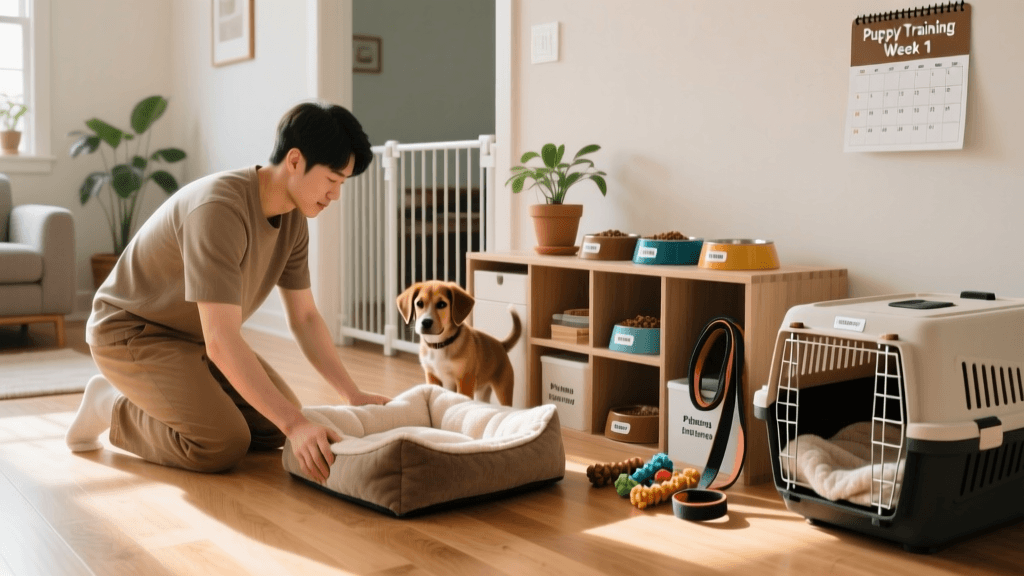
Bringing a new dog into your home is one of life’s most rewarding experiences. The anticipation of choosing a breed, picking out toys, and imagining weekend hikes can easily overshadow the practical realities of dog ownership. However, the transition from a dog-free household to a dog-centric one is fraught with potential pitfalls. Many first-time dog owners make well-intentioned but costly errors during the first thirty days that can lead to behavioral issues, financial strain, and unnecessary stress for both human and canine.
To ensure a smooth transition and set the foundation for a lifelong bond, it is crucial to recognize and avoid these common missteps. Here are the top mistakes to avoid when preparing for and bringing home your new dog.
Mistake 1: Underestimating the True Financial Commitment
One of the most frequent errors new owners make is budgeting only for the adoption fee or initial purchase price. The reality of dog ownership involves significant upfront costs and ongoing monthly expenses that can quickly derail an unprepared budget. According to the American Society for the Prevention of Cruelty to Animals (ASPCA), the first-year cost of dog ownership can easily exceed $1,500 to $3,000, depending on the size of the dog and your geographic location.
Many owners fail to account for emergency veterinary care, pet insurance premiums, professional training classes, and specialized grooming. To avoid financial shock, you must build a comprehensive budget before the dog's paws ever touch your floor.
Average First-Year Dog Ownership Costs
| Expense Category | Estimated Initial Cost | Estimated Annual Cost |
|---|---|---|
| Adoption/Purchase Fee | $50 - $2,500+ | N/A |
| Spay/Neuter & Microchip | $150 - $500 | $0 (One-time) |
| Initial Veterinary Exam & Vaccines | $200 - $400 | $150 - $300 |
| High-Quality Dog Food & Treats | $50 - $100 | $400 - $800 |
| Crates, Beds, & Leashes (Gear) | $100 - $300 | $50 - $150 |
| Preventative Medications (Flea/Tick/Heartworm) | $50 - $100 | $200 - $400 |
| Pet Insurance or Emergency Fund | $50 (First Month) | $600 - $1,200 |
| Obedience Training / Socialization | $100 - $300 | $50 - $200 |
Note: Costs vary widely based on breed size, health status, and regional pricing. Always maintain a $1,000 emergency veterinary buffer.
Mistake 2: Superficial Puppy-Proofing
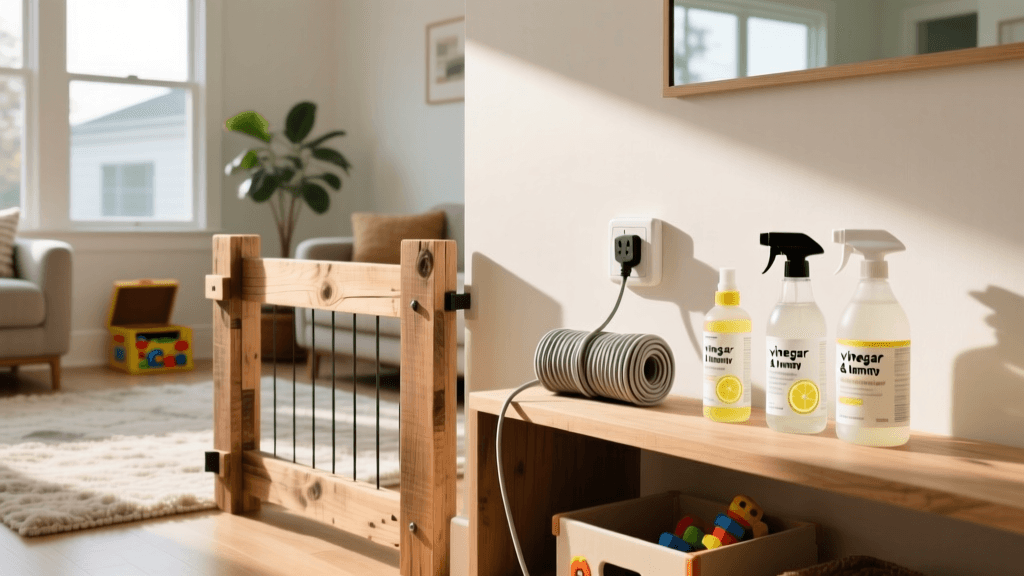
Most new owners know they need to hide electrical cords and put away shoes. However, superficial puppy-proofing misses the subtle hazards that curious dogs inevitably find. Dogs explore the world with their mouths, and their sense of smell can lead them into dangerous situations.
The American Kennel Club (AKC) emphasizes that puppy-proofing must be viewed from the dog's eye level. Get down on your hands and knees to identify choking hazards, toxic houseplants (such as sago palms, lilies, and philodendrons), and accessible cleaning supplies.
The Overlooked Hazards Checklist
- Human Medications: Never leave pill bottles on nightstands or countertops. A single dropped ibuprofen can be fatal to a small dog.
- Toxic Foods: Xylitol (an artificial sweetener found in sugar-free gum and some peanut butters), grapes, raisins, onions, and macadamia nuts must be locked away.
- Unsecured Trash Cans: Invest in heavy, latching trash cans. Scavenging can lead to gastrointestinal blockages or toxic ingestion.
- Balcony and Fence Gaps: Inspect your perimeter fencing for gaps wider than two inches. Small breeds and puppies can easily squeeze through or dig under weak spots.
- Open Toilets: Toilet bowl cleaners are toxic, and small puppies can actually drown in an open toilet bowl.
Mistake 3: Ignoring the Decompression Period
A massive mistake, particularly for those adopting rescue dogs, is expecting the dog to show its true personality immediately. Many owners overwhelm their new pet with house tours, introductions to neighbors, and trips to the dog park on day one. This sensory overload can trigger fear-based behaviors, anxiety, and regression in training.
Animal behaviorists widely advocate for the 3-3-3 Rule of rescue dog decompression. According to guidelines supported by the Humane Society of the United States, giving a dog time to adjust to a new environment is critical for long-term behavioral stability.
The 3-3-3 Rule of Decompression:
3 Days: The dog may feel overwhelmed, scared, or unsure. They might hide, refuse to eat, or test boundaries. Give them a quiet, safe space.
3 Weeks: The dog begins to settle, learn your routine, and show their true personality. Minor behavioral issues may surface as they get comfortable.
3 Months: The dog finally feels completely at home, building deep trust and a secure attachment to their new family.
To avoid the mistake of rushing this process, keep your home calm for the first two weeks. Limit visitors, skip the busy dog parks, and stick to quiet, structured leash walks in your immediate neighborhood.
Mistake 4: Failing to Establish a Day-One Routine
Dogs are creatures of habit that thrive on predictability. A common error is bringing a dog home and winging it regarding feeding times, potty breaks, and sleep schedules. Without a structured routine, dogs become anxious, which often manifests as destructive chewing, excessive barking, or indoor accidents.
Before your dog arrives, establish a clear household schedule. Decide who is responsible for the morning potty break, what times meals will be served, and where the dog will sleep. Consistency is the bedrock of successful house training and behavioral conditioning.
Sample Day-One Schedule for a New Dog
- 6:30 AM: Immediate potty break (leashed, low-stimulation).
- 7:00 AM: Breakfast served in a quiet area. Remove bowl after 15 minutes.
- 7:30 AM: Second potty break and brief sniffari (exploratory walk).
- 8:00 AM - 12:00 PM: Crate time or confined pen time with a food-stuffed enrichment toy to encourage independent rest.
- 12:00 PM: Midday potty break and 15 minutes of basic training (sit, touch, name recognition).
- 5:00 PM: Afternoon potty break and decompression walk.
- 6:00 PM: Dinner.
- 6:30 PM: Evening potty break and gentle indoor play.
- 9:30 PM: Final potty break, water bowl removed.
- 10:00 PM: Crate or designated bed for the night.
Mistake 5: Purchasing the Wrong Gear and Equipment
Walking into a pet supply store can be overwhelming, leading many new owners to buy gear based on aesthetics rather than functionality. Buying the wrong equipment can cause physical discomfort to the dog and make training exponentially harder.
For example, purchasing a standard flat collar for a dog with high prey drive or a tendency to pull can result in tracheal damage. Instead, invest in a front-clip, no-pull harness that safely redirects the dog's momentum. Similarly, buying a crate that is too large defeats the purpose of crate training; dogs naturally avoid soiling their sleeping area, but if the crate is massive, they will designate one corner for sleeping and another for a bathroom.
Gear Upgrades to Consider
- Instead of Retractable Leashes: Use a 4-to-6-foot biothane or leather leash. Retractable leashes teach dogs to pull and offer zero control in emergency situations.
- Instead of Standard Bowls: Use stainless steel or ceramic bowls. Plastic bowls harbor bacteria that cause canine acne and are easily chewed to pieces.
- Instead of Plush Beds: For puppies or heavy chewers, invest in an elevated cot-style bed which is durable, breathable, and chew-resistant.
- Instead of Punitive Pads: Skip indoor pee pads if your ultimate goal is outdoor potty training. Pee pads teach dogs that it is acceptable to eliminate on soft fabrics indoors, which often translates to ruined rugs and carpets.
Mistake 6: Neglecting Early Socialization and Enrichment
While the decompression period is vital, it must be balanced with safe, structured socialization, especially for puppies under 16 weeks of age. The primary socialization window closes rapidly, and missing it is a mistake that can lead to lifelong fear and reactivity.
Socialization does not mean letting your dog play with every dog they see. It means exposing them to novel sights, sounds, surfaces, and people in a positive, controlled manner. Carry your puppy in a sling or sit on a bench outside a hardware store, rewarding them with high-value treats (like boiled chicken or freeze-dried liver) as they observe the world. For adult rescue dogs, focus on engagement training, teaching them that you are the most rewarding part of their environment, even when distractions are present.
Conclusion: Patience is Your Greatest Tool
Bringing a dog into your life is a profound commitment that requires patience, preparation, and a willingness to learn. By avoiding these common mistakes—underestimating costs, failing to puppy-proof thoroughly, rushing the decompression process, lacking a routine, buying poor gear, and neglecting structured socialization—you set the stage for a harmonious relationship. Remember that your new dog is navigating a massive life change. Approach the first month with empathy, clear boundaries, and a structured plan, and you will build a foundation of trust that will last a lifetime.
beth-carrasco
All our authors care for dogs every day — read more of their work on the authors page.