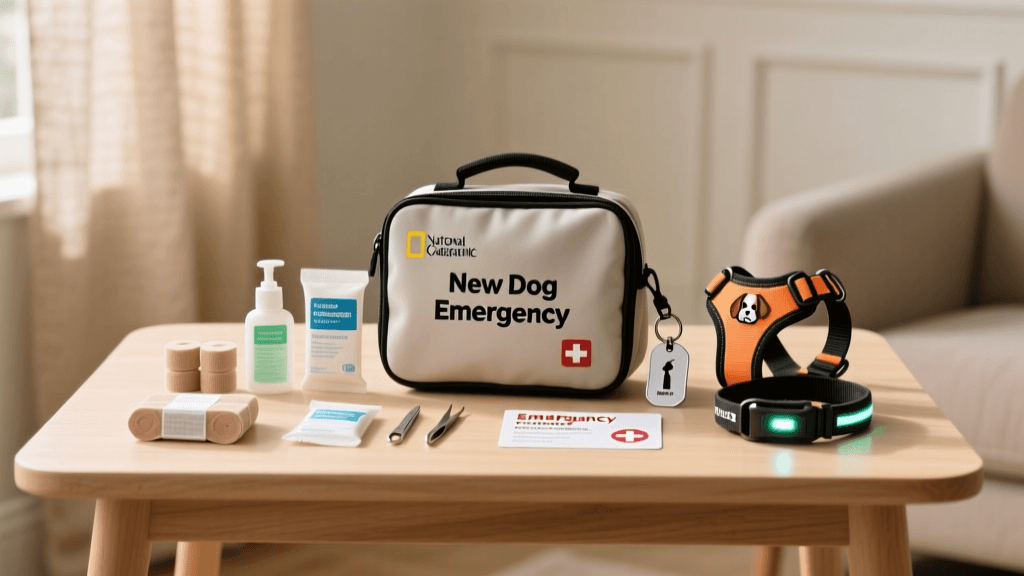
Puppy Emergency Kit: Essential Supplies & Safety Prep
Learn how to build a comprehensive puppy emergency kit. Discover essential supplies, safety prep, and evacuation tips for your new dog's first weeks home.
Welcome Home: Prioritizing Safety From Day One
Bringing a new dog into your life is a milestone filled with joy, wagging tails, and unforgettable moments. However, amidst the excitement of purchasing beds, toys, and premium kibble, many new owners overlook a critical aspect of responsible pet ownership: emergency preparedness. Whether you are adopting a rescue pup or bringing home a purebred puppy, the "getting a dog" phase is the perfect time to establish a robust safety net. Natural disasters, sudden illnesses, and household accidents do not wait for you to feel settled. By prioritizing emergency and safety guides right from the start, you ensure that your new family member is protected against the unpredictable. This comprehensive guide will walk you through building a life-saving puppy emergency kit, puppy-proofing your home against hidden toxins, and crafting an evacuation plan that includes your four-legged friend.
Why Emergency Preparation Matters for New Dogs
When you are in the initial stages of getting a dog, your focus is naturally on bonding, potty training, and socialization. Yet, statistics show that pets are highly vulnerable during emergencies. According to the Federal Emergency Management Agency (FEMA), thousands of pets are separated from their owners annually during natural disasters like hurricanes, wildfires, and floods. Furthermore, the American Society for the Prevention of Cruelty to Animals (ASPCA) handles over 400,000 animal poison control calls each year, many involving curious new puppies ingesting household hazards. Preparing an emergency kit and safety plan before a crisis strikes eliminates panic and allows you to act swiftly. A well-prepared new dog owner can mitigate risks, provide immediate first aid, and ensure seamless evacuation if local authorities issue a mandatory departure order. Safety is not an afterthought; it is the foundation of a secure environment for your new companion.
The Ultimate New Dog Emergency Evacuation Kit
If a sudden emergency forces you to leave your home, you may only have minutes to gather your belongings. Your dog needs their own dedicated "go-bag." According to Ready.gov, a pet emergency kit should contain at least a three-day supply of food and water, alongside vital medical documents. Below is a detailed breakdown of what to include in your new dog's evacuation kit, complete with measurements and estimated costs to help you budget effectively during the "getting a dog" phase.
| Supply Category | Specific Items & Measurements | Estimated Cost | Replacement Schedule |
|---|---|---|---|
| Hydration & Nutrition | 3-day supply of dry food; 1 oz water per lb of body weight daily | $25 - $40 | Every 3-6 months |
| Containment | Collapsible travel crate or soft-sided carrier; 1 sturdy backup leash | $40 - $80 | Annually (check wear) |
| Sanitation | Poop bags, puppy pads, and pet-safe enzymatic cleaning spray | $20 - $30 | As needed |
| Comfort | Familiar blanket, 2 durable chew toys, and a worn t-shirt with your scent | $15 - $25 | Replace toys when damaged |
Essential Canine First-Aid Supplies
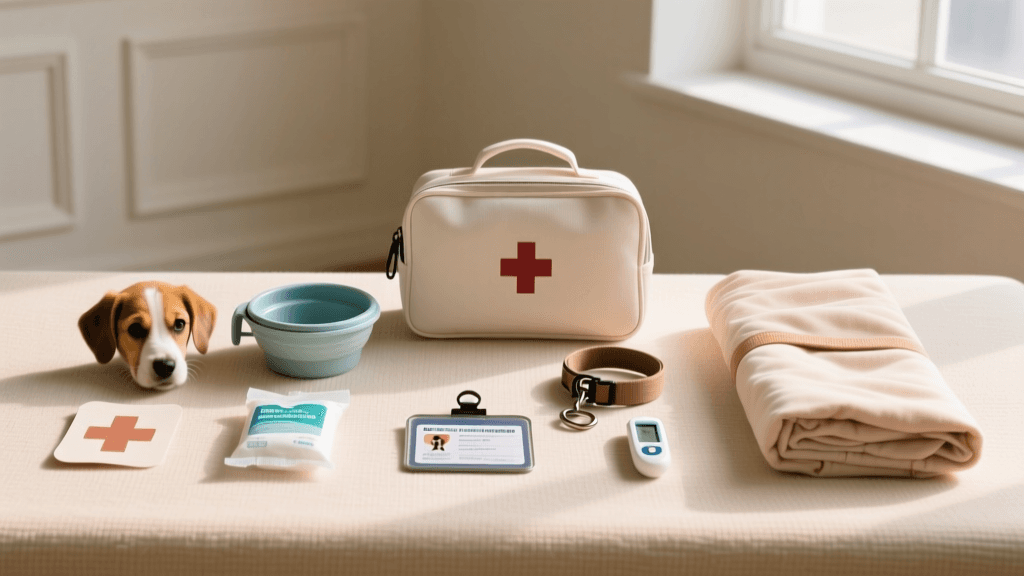
Beyond basic sustenance, your emergency kit must include a specialized canine first-aid kit. Human medical supplies are not always safe or effective for dogs. For instance, human pain relievers like ibuprofen or acetaminophen are highly toxic to canines. Instead, stock your kit with veterinary-approved items. Essential supplies include self-adhering bandage wraps (like VetWrap) to control bleeding without sticking to fur, sterile saline solution for flushing wounds or eyes, and a digital rectal thermometer to monitor for fever or hypothermia. Additionally, keep a bottle of 3% hydrogen peroxide on hand. According to the American Veterinary Medical Association (AVMA), hydrogen peroxide can be used to induce vomiting in specific poisoning scenarios, but it must ONLY be administered under the direct, real-time guidance of a veterinarian or pet poison helpline. The standard dosage is typically 1 milliliter per pound of body weight, up to a maximum of 45 milliliters. Always include a printed list of emergency contacts, including your primary vet, the nearest 24-hour emergency animal hospital, and the ASPCA Animal Poison Control Center.
Puppy-Proofing: Identifying Hidden Household Toxins
Getting a dog means seeing your home from a completely new perspective—specifically, from floor level. Puppies explore the world with their mouths, making puppy-proofing a non-negotiable safety step. The ASPCA Animal Poison Control Center warns that common household items can be lethal to dogs. Xylitol, an artificial sweetener found in sugar-free gum, peanut butter, and baked goods, can cause rapid hypoglycemia and liver failure in dogs. Grapes and raisins, even in small quantities, can lead to acute kidney failure. Furthermore, many popular houseplants, including lilies, sago palms, and philodendrons, are highly toxic if chewed. Before bringing your new dog home, conduct a thorough sweep of your living spaces. Move all medications, cleaning supplies, and toxic foods into high, latched cabinets. Secure trash cans with heavy lids, and consider using bitter apple spray on baseboards or electrical cords to deter chewing. Replacing damaged or frayed electrical cords is also vital, as a puppy bite can result in severe electrical burns or fatal shocks.
Crafting a Pet-Inclusive Evacuation Plan
Having supplies is only half the battle; knowing how to execute an evacuation is equally critical. When creating your household emergency plan, explicitly include your dog. Assign a specific family member the responsibility of securing the dog and grabbing the emergency kit. Identify safe rooms in your home, such as an interior bathroom or basement, where you can shelter in place during severe weather. Ensure that your dog is comfortable in a travel crate, as crates provide physical protection from falling debris and are often required by emergency shelters. If you must evacuate, never leave your dog behind or tie them up outside. Research pet-friendly hotels, motels, and boarding facilities outside your immediate area well in advance. Keep a printed list of these locations in your emergency kit, as internet and cellular networks may be down during a disaster. Practice loading your dog into the car quickly and calmly to reduce stress during an actual emergency.
Organizing Vital Documentation and Identification
In the chaos of an emergency, pets can easily become separated from their owners. Proper identification and documentation are your best tools for reunification. Ensure your new dog is microchipped and that the chip is registered with your current contact information in a national database. A microchip is permanent, but a visible collar with an engraved ID tag is the fastest way for a good Samaritan to return your lost dog. Inside your emergency kit, store physical copies of your dog's vital records in a waterproof bag. These documents should include proof of rabies vaccination, a complete veterinary health record, a recent photograph of you with your dog (to prove ownership), and a list of any daily medications your dog requires. Many emergency shelters and pet-friendly hotels require proof of vaccination before allowing animals on the premises, making these documents just as important as food and water.
Final Thoughts on Dog Safety and Preparedness
The transition of getting a dog is a profound life event that requires patience, love, and diligent preparation. By investing time into assembling a comprehensive puppy emergency kit, eliminating household toxins, and drafting a clear evacuation strategy, you are providing your new companion with the ultimate safety net. Emergencies are inherently unpredictable, but your response does not have to be. Regularly audit your emergency supplies, replace expired food and medications, and update your contact information as needed. With these proactive safety measures in place, you can focus on what truly matters: building a lifelong, joyful bond with your new best friend, knowing you are fully prepared to protect them no matter what the future holds.
beth-carrasco
All our authors care for dogs every day — read more of their work on the authors page.