7 Fatal Mistakes to Avoid When Bringing Home a Rescue Dog
Avoid these 7 critical mistakes when bringing home a rescue dog. Learn what NOT to do in the first 48 hours to ensure a smooth, stress-free transition.

The Honeymoon Phase: Why the First 72 Hours Matter
Adopting a rescue dog is a noble, deeply rewarding journey, but the transition from a loud, stressful shelter environment to a quiet, permanent home is incredibly jarring for the animal. According to the ASPCA, millions of dogs enter shelters annually, and the first few days in a new home dictate the long-term success of the adoption. Many well-meaning owners inadvertently trigger anxiety, fear, or behavioral regression by making critical errors during the first 48 to 72 hours. This guide outlines exactly what NOT to do when bringing home a rescue dog, ensuring you set the stage for a lifelong, trusting bond.
Mistake #1: Inviting the Whole Neighborhood Over
What NOT to Do: Do not throw a 'Welcome Home' party or invite friends and family over to meet the new dog on the first weekend.
Why It Is Fatal: Rescue dogs are often suffering from severe sensory overload. The shelter environment is a cacophony of barking, clanging metal doors, and unfamiliar scents. Introducing a revolving door of strangers, loud voices, and reaching hands into their new safe space can trigger a fear-based shutdown or defensive aggression.
Actionable Advice: Limit interactions to immediate household members only for the first 14 days. When you do introduce guests later, instruct them to practice the 'No Touch, No Talk, No Eye Contact' rule, allowing the dog to approach and sniff them on their own terms.
Mistake #2: Giving Unrestricted House Access Immediately
What NOT to Do: Do not open every door and let the dog roam freely to 'explore' the entire house on day one.
Why It Is Fatal: Too much space is overwhelming. A dog that is unsure of its boundaries will often pace anxiously, mark territory out of insecurity, or find an unsafe, dark corner to hide in, making extraction difficult and terrifying for them.
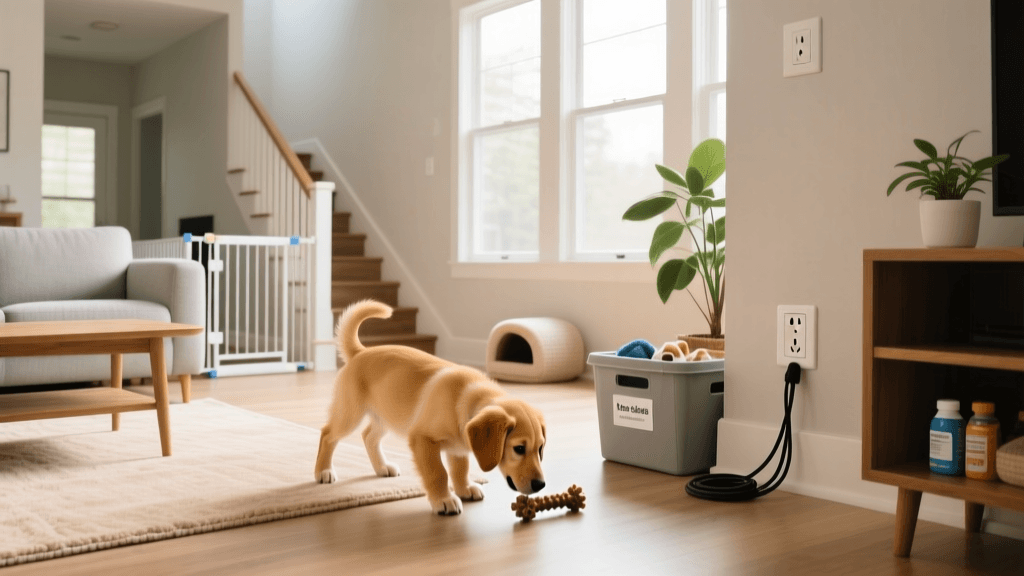
Actionable Advice: Set up a designated 'safe room' or a confined area using a sturdy baby gate, such as the Carlson Pet Products Walk-Thru Gate (approx. $40-$50). Restrict the dog to a 10x10 foot space like a kitchen or a gated living room section. This creates a predictable, manageable environment where they can decompress without feeling exposed.
Mistake #3: Forcing Affection and Interaction
What NOT to Do: Do not hug, kiss, pick up, or force the dog onto your lap, even if they look incredibly sad or submissive.
Why It Is Fatal: Rescues often have unknown histories regarding touch sensitivities, resource guarding, or past trauma. Submissive body language (cowering, rolling over, licking lips) is often misinterpreted by humans as an invitation for affection, when in canine body language, it is a plea for space.
Actionable Advice: Sit on the floor at a distance, read a book, and ignore the dog. Let the dog choose the pace of the relationship. Offer high-value treats (like boiled chicken breast) tossed gently near them, rather than forcing them to take food from your hand.
Mistake #4: Skipping the Veterinary Baseline Checkup
What NOT to Do: Do not wait 30 days to take the dog to the vet because they 'look healthy' or you want to let them settle in first.
Why It Is Fatal: Shelters are high-risk environments for contagious illnesses like kennel cough, canine influenza, and internal parasites. Delaying a vet visit risks the health of your new dog and any other pets in your home. The CDC guidelines on pet health strongly emphasize the importance of immediate veterinary screening to prevent zoonotic diseases and manage parasite prevention.
Actionable Advice: Schedule a baseline exam within 48 hours of adoption. Expect to pay between $150 and $250 for a comprehensive physical exam, a fecal float test for parasites, and a heartworm antigen test.
Mistake #5: Overfeeding to 'Spoil' the Rescue
What NOT to Do: Do not feed rich human food, table scraps, or endless treats out of pity or a desire to 'spoil' the dog who has had a hard life.
Why It Is Fatal: Shelter stress already wreaks havoc on a dog's gastrointestinal tract. Sudden changes in diet or the introduction of fatty human foods will almost certainly result in severe diarrhea, vomiting, and dehydration, compounding their stress.
Actionable Advice: Ask the shelter exactly what brand and formula of kibble they were feeding, and buy a bag of that exact food. If you plan to change their diet, do so gradually over 7 to 10 days by mixing 25% new food with 75% old food, increasing the ratio every two days.
Mistake #6: Inconsistent House Rules from Day One
What NOT to Do: Do not let the dog on the couch or bed 'just for the first night' because they are whining or look scared.
Why It Is Fatal: Dogs thrive on predictability. If you allow a behavior on day one out of guilt, but scold them for it on day ten once the 'honeymoon phase' ends, you will create profound confusion and anxiety. This is a primary trigger for resource guarding of furniture and beds.
Actionable Advice: Decide on your house rules before the dog arrives. If the couch is off-limits, it must be off-limits from the very first second. Provide a high-quality orthopedic dog bed on the floor and use positive reinforcement to reward them for choosing their own space.
Mistake #7: Taking Them to the Dog Park on Day One
What NOT to Do: Do not take the rescue dog to an off-leash dog park to 'socialize' them or burn off nervous energy.
Why It Is Fatal: Dog parks are chaotic, unregulated environments. A fearful rescue dog cornered by an overly enthusiastic dog may resort to fear-based aggression. Furthermore, you have no guarantee of the vaccination or health status of the other dogs present.
Actionable Advice: Stick to quiet, 15-minute neighborhood walks using a secure 6-foot nylon leash and a well-fitted martingale collar or front-clip harness. Wait at least 3 weeks before arranging controlled, one-on-one playdates with known, calm, and fully vaccinated dogs.
First-Week Rescue Dog Checklist: What to Buy vs. What NOT to Buy
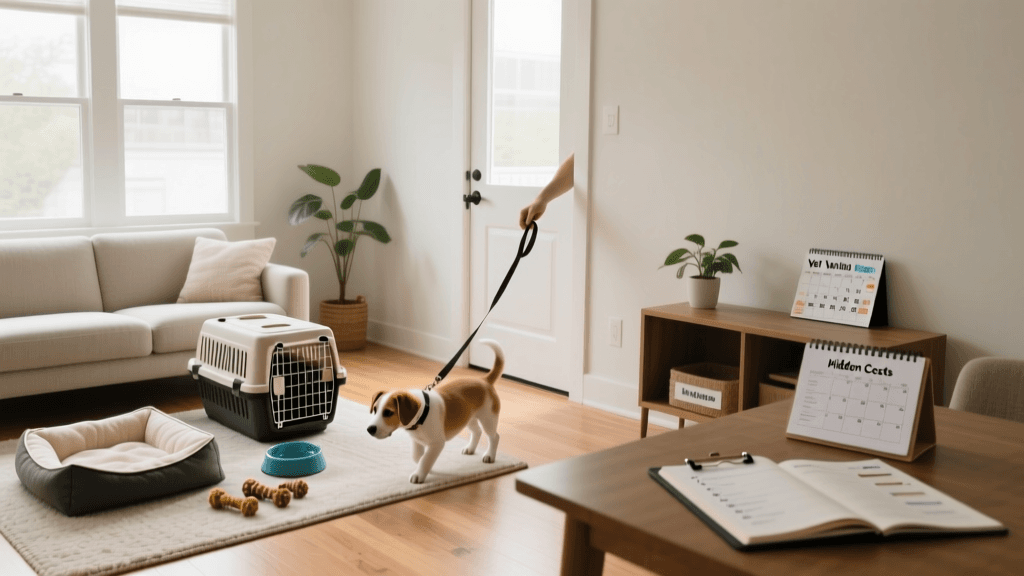
Preparing your home correctly is half the battle. Use this table to guide your pre-adoption shopping trip.
| Category | Essential Purchase (DO BUY) | Avoid at All Costs (DO NOT BUY) | Estimated Cost |
|---|---|---|---|
| Confinement | Hardware-mounted baby gates for safe rooms | Freestanding plastic fences (easily knocked over) | $40 - $70 |
| Enrichment | Kong Classic Red Rubber Toy (frozen with broth) | Squeaky plush toys (can trigger prey drive/destroyed) | $15 - $20 |
| Walking Gear | Martingale collar or front-clip harness | Retractable flexi-leashes (zero control, high injury risk) | $20 - $35 |
| Calming Aids | Adaptil Dog Appeasing Pheromone (DAP) Diffuser | Essential oil diffusers (many oils are toxic to dogs) | $25 - $40 |
| Bedding | Elevated cot-style bed (Kuranda or Coolaroo) | Expensive plush donut beds (will be chewed/soiled) | $30 - $50 |
The 3-3-3 Rule of Rescue Decompression
Understanding the timeline of a rescue dog's adjustment will save you from making premature judgments about their personality. The AVMA resources on dog behavior frequently highlight the necessity of patience when dealing with environmental transitions.
- The First 3 Days (Detox): The dog may not eat or drink normally, may hide, sleep excessively, or test boundaries. They are overwhelmed. Do not force interaction.
- The First 3 Weeks (Settling In): The dog begins to learn your routine, their true personality starts to peek through, and they may begin testing rules. Do not relax your training boundaries.
- The First 3 Months (Bonding): The dog finally feels secure, realizes they are home, and a deep bond of trust is formed. Do not rush this process.
The Golden Rule of Rescue: Let the dog choose the pace of the relationship. Your job is to provide a safe, predictable environment, not to force a bond before the dog is ready.
Conclusion
Bringing home a rescue dog requires a shift in mindset from immediate gratification to long-term patience. By avoiding these seven fatal mistakes—specifically the urge to over-socialize, overfeed, and overwhelm the dog in the first 48 hours—you provide the ultimate gift: a peaceful decompression period. Equip your home with the right tools, establish firm but gentle boundaries, and let the 3-3-3 rule guide your expectations. The trust you build during these critical first days will lay the unbreakable foundation for the rest of your dog's life.
priya-sutaria
All our authors care for dogs every day — read more of their work on the authors page.