7 Costly Home Prep Mistakes to Avoid Before Getting a Dog
Avoid common puppy-proofing and budgeting mistakes before bringing your new dog home. Learn essential first-day prep tips and hidden costs to expect.
Introduction
Bringing a new dog into your home is an incredibly exciting milestone, but it is also a massive lifestyle shift. Many first-time dog owners get caught up in the joy of picking out cute toys and stylish beds, completely overlooking the practical realities of pet ownership. Failing to properly prepare your home and your budget can lead to unnecessary stress, property damage, and even health emergencies for your new furry friend.
To ensure a smooth transition for both you and your new companion, it is crucial to anticipate the challenges that come with dog ownership. Below, we break down seven of the most common and costly home preparation mistakes new owners make, along with actionable, expert-backed advice on how to avoid them.
Mistake 1: Underestimating the True Financial Commitment
One of the most frequent mistakes prospective owners make is budgeting only for the adoption fee or purchase price and basic food. The reality is that the first year of dog ownership is the most expensive, and costs scale significantly with the size of the dog. According to the ASPCA's guide on financial planning for pet owners, you must account for routine veterinary care, preventative medications, licensing, grooming, and unexpected emergency visits.
Many owners are blindsided by the cost of large-breed necessities. For example, a month's supply of flea, tick, and heartworm prevention for a 90-pound dog costs significantly more than it does for a 15-pound dog. Failing to establish an emergency veterinary fund of at least $1,000 to $2,000 can lead to devastating decisions if your dog ingests something toxic or suffers an injury.
Estimated Annual Dog Ownership Costs
| Expense Category | Small Dog (Under 20 lbs) | Large Dog (Over 50 lbs) |
|---|---|---|
| Routine Veterinary Care & Preventatives | $400 - $600 | $600 - $900 |
| High-Quality Food & Treats | $250 - $400 | $500 - $800 |
| Toys, Chews, and Enrichment | $100 - $200 | $200 - $400 |
| Grooming & Supplies | $150 - $300 | $50 - $150 |
| Pet Insurance (Highly Recommended) | $400 - $700 | $600 - $1,000+ |
Mistake 2: Skipping the 'Crawl Test' During Puppy-Proofing
Adult humans view the world from five to six feet in the air, but a puppy or small dog experiences your home from ground level. A major mistake is simply walking through your home and assuming it is safe. You must perform the 'Crawl Test.' Get down on your hands and knees in every room your dog will access and look for hazards: dangling blind cords, exposed electrical wires, small children's toys, and dropped pills.
To properly secure your home, invest in heavy-duty cord concealers, such as the Alex Tech Cord Protector channel, to hide wires behind entertainment centers. Furthermore, do not rely on pressure-mounted baby gates for the top of staircases; a determined medium-to-large dog can easily push them over. Always use hardware-mounted gates, like the Evenflo Secure Step, anchored directly into the wall studs for stairways and dangerous areas like kitchens or workshops.
Mistake 3: Buying the Wrong Crate Size and Skipping the Divider
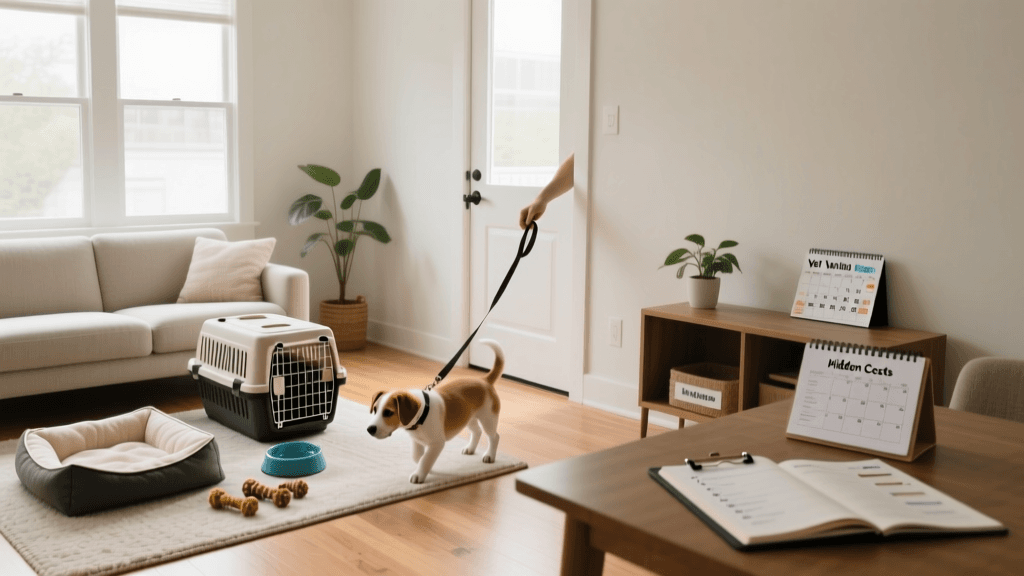
Crate training is an essential part of housebreaking and providing a safe den for your dog. However, a common error is buying a massive crate for a puppy based on their anticipated adult size. Dogs naturally avoid soiling their sleeping area, but if a crate is too large, a puppy will simply designate one corner as a bedroom and the opposite corner as a bathroom.
The Fix: Purchase a wire crate that will fit your dog's adult dimensions (e.g., a 42-inch MidWest iCrate for a Golden Retriever), but ensure it comes with a movable divider panel. This allows you to expand the space as your puppy grows. The correct crate size should allow your dog to stand up, turn around, and lie down comfortably, with no extra room to pace or eliminate.
Mistake 4: Leaving Toxic Plants and Hidden Chemicals Accessible
Many popular houseplants and everyday pantry items are highly toxic to dogs. New owners often fail to research their indoor foliage before bringing a dog home. The Sago Palm, for instance, is incredibly common in modern home decor but is highly toxic, causing severe liver failure even if only a single seed is ingested. Similarly, lilies, oleander, and aloe vera pose significant risks.
Beyond plants, owners frequently forget about sugar-free products. Xylitol, a common artificial sweetener found in sugar-free gum, mints, and some peanut butters, causes rapid insulin release and fatal hypoglycemia in dogs. Always cross-reference your houseplants and pantry items with the ASPCA Animal Poison Control's toxic plant list and store all chemicals, medications, and sugar-free foods in high, latched cabinets.
Mistake 5: Ignoring the 3-3-3 Decompression Rule
Many owners expect their new rescue dog or puppy to be perfectly adjusted and affectionate by day two. When the dog hides, refuses to eat, or exhibits fear-based behaviors, the owner panics, assuming they made a terrible mistake. This happens because they are unaware of the 3-3-3 Rule of dog adoption.
- 3 Days: Your dog will feel overwhelmed, scared, and unsure of their surroundings. They may hide or test boundaries.
- 3 Weeks: Your dog is starting to settle in, figuring out your routine, and letting their true personality show. Behavioral issues may start to surface here.
- 3 Months: Your dog finally feels at home, building true trust and a secure bond with you.
Give your dog a quiet, low-stress environment for the first few weeks. Avoid throwing 'welcome home' parties or inviting the entire neighborhood over to meet them on the first weekend.
Mistake 6: Choosing Aesthetics Over Functionality for Gear
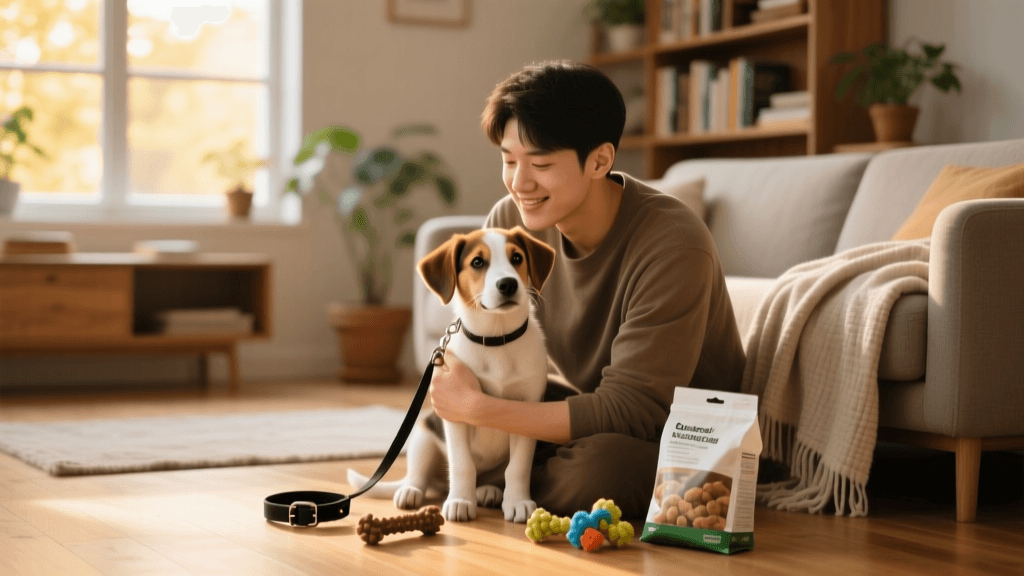
Walking into a pet boutique and buying a matching leather collar and retractable leash is a rite of passage for new owners, but it is often a functional mistake. Retractable leashes (like the standard Flexi tape leashes) teach dogs to pull, as the tension on the line is required to get more length. They also pose severe burn and amputation risks to human fingers if the cord wraps around them, and they offer zero control if your dog lunges at a squirrel or another dog.
The Fix: Invest in a standard 4-to-6-foot biothane or nylon leash and a front-clip harness, such as the Ruffwear Front Range Harness. A front-clip harness gently redirects your dog's momentum back toward you when they pull, making leash training significantly easier and safer for both of you.
Mistake 7: Failing to Pre-Book the Vet and Training Classes
Waiting until your dog is home and sick, or until they have developed severe behavioral issues, to look for professional help is a critical error. Good veterinarians and certified positive-reinforcement trainers are often booked weeks or even months in advance.
Before your dog even arrives, research and schedule a 'meet and greet' or initial wellness exam with a local veterinarian. Additionally, sign up for a foundational puppy kindergarten or basic obedience class. Securing these resources in advance ensures you have a support system ready to go on day one, preventing minor issues from escalating into major medical or behavioral crises.
Final Thoughts
Preparing for a new dog requires much more than buying a bag of kibble and a plush bed. By avoiding these common home preparation and budgeting mistakes, you set the stage for a harmonious, safe, and financially secure life with your new companion. Take the time to puppy-proof from their perspective, budget for the realities of pet care, and approach their transition into your home with patience and structure. For further reading on safely preparing your environment, consult The Humane Society's puppy-proofing checklist to ensure no corner of your home is left unsecured.
aaron-whyte
All our authors care for dogs every day — read more of their work on the authors page.