Canine Osteoarthritis Treatment 2026: Home Care Guide
Discover the latest 2026 canine osteoarthritis treatments, home modifications, and daily routines to keep your senior dog comfortable, mobile, and happy.
Understanding the 2026 Landscape of Canine Osteoarthritis
Watching a beloved companion struggle with mobility is one of the most challenging aspects of pet ownership. Canine osteoarthritis (OA), also known as degenerative joint disease, affects a significant portion of the aging dog population, as well as younger dogs predisposed by genetics or previous injuries. As we navigate 2026, the veterinary landscape has evolved dramatically, offering dog owners more effective, targeted, and holistic ways to manage this chronic condition. Living with an arthritic dog requires a multifaceted approach that blends cutting-edge medical treatments with thoughtful daily routine adjustments and strategic home modifications.
Osteoarthritis is characterized by the progressive deterioration of joint cartilage, leading to inflammation, pain, and reduced mobility. According to the American Kennel Club, early signs often manifest subtly: a reluctance to jump into the car, stiffness after resting, or a slight lag on walks. Recognizing these signs and implementing a comprehensive management plan is critical to preserving your dog's quality of life. In 2026, treating OA is no longer just about masking pain; it is about altering the disease environment, preserving joint function, and adapting your shared living space to support your dog's changing physical needs.
Breakthrough Medical Treatments and Therapies
The medical management of canine osteoarthritis has seen remarkable advancements over the last few years. Moving beyond traditional broad-spectrum painkillers, veterinarians in 2026 are leveraging highly targeted therapies that address the root mechanisms of pain and inflammation.
- Monoclonal Antibodies (Anti-NGF): Treatments targeting Nerve Growth Factor (NGF) have revolutionized OA management. By neutralizing NGF, these monthly injections prevent pain signals from reaching the brain without the systemic side effects associated with daily oral medications. This therapy has become a cornerstone for dogs that cannot tolerate traditional NSAIDs due to kidney or liver concerns.
- Targeted NSAIDs: Newer generations of Non-Steroidal Anti-Inflammatory Drugs specifically target the COX-2 enzyme responsible for inflammation and pain, while sparing the COX-1 enzyme that protects the stomach lining and kidneys. These medications offer safer long-term use for chronic joint pain.
- Class IV Cold Laser Therapy: Frequently utilized in 2026 veterinary rehabilitation clinics, therapeutic lasers use specific wavelengths of light to stimulate cellular repair, reduce localized inflammation, and increase blood circulation to affected joints. It is a non-invasive, painless modality that pairs exceptionally well with medical management.
- Regenerative Medicine: Stem cell therapy and Platelet-Rich Plasma (PRP) injections continue to gain traction. By harnessing the dog's own biological healing mechanisms, these intra-articular injections can help modulate the immune response within the joint and promote tissue repair.
For a deeper understanding of the progressive nature of joint disease, the Washington State University College of Veterinary Medicine provides extensive resources on how OA develops and why early intervention is paramount to slowing cartilage degradation.
Essential Home Modifications for Arthritic Dogs
Medical treatment must be paired with environmental adjustments. Your home should be a sanctuary that minimizes joint strain and prevents secondary injuries from slips and falls.
Orthopedic Sleeping Surfaces
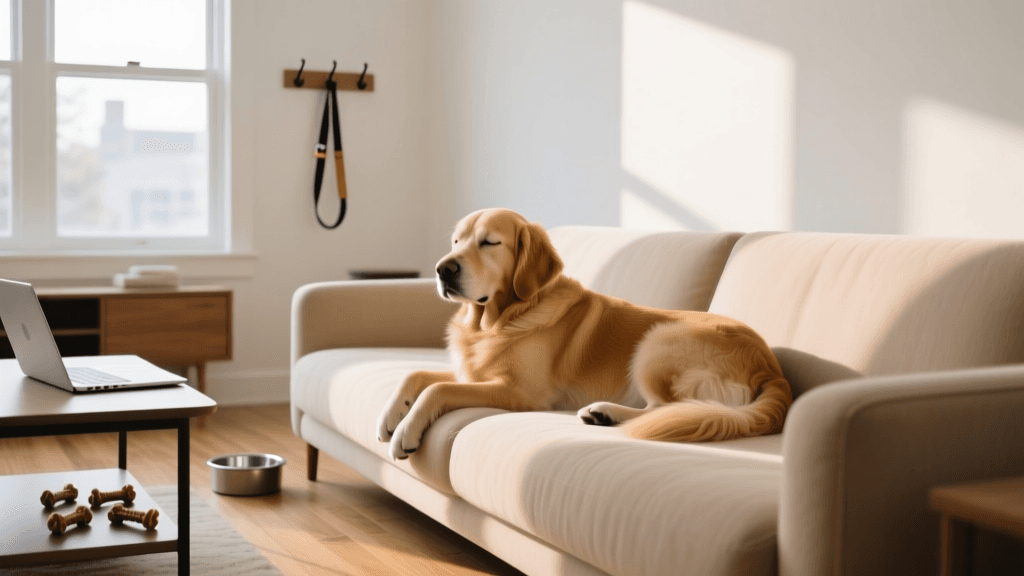
Standard dog beds do not provide the necessary support for arthritic joints. In 2026, high-density, medical-grade orthopedic beds are considered essential. Look for beds featuring a minimum of four to seven inches of supportive foam that does not flatten under your dog's weight. Bolstered edges can also provide a sense of security and a place to rest their head, while waterproof liners protect the foam from accidents. Place beds in warm, draft-free areas, as cold temperatures can exacerbate joint stiffness.
Traction and Flooring Solutions
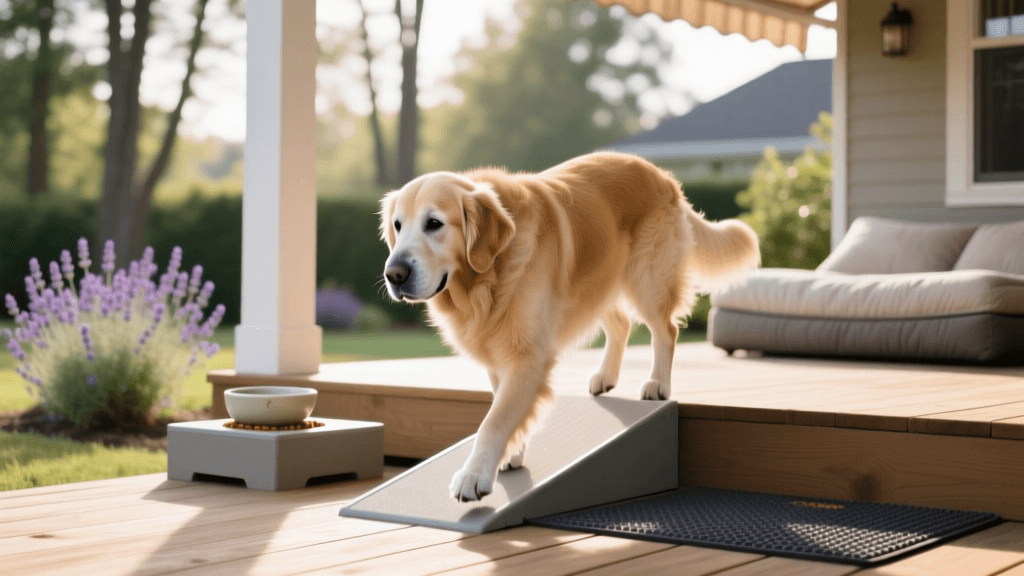
Hardwood, tile, and laminate floors are incredibly hazardous for dogs with compromised mobility. A single slip can lead to a torn cruciate ligament or a severe muscle strain. Cover high-traffic areas and the paths between your dog's bed, food bowls, and the door with non-slip rugs or interlocking foam mats. Alternatively, canine grip pads or paw waxes can provide temporary traction, but environmental modification is always the safest route.
Ramps and Stairs
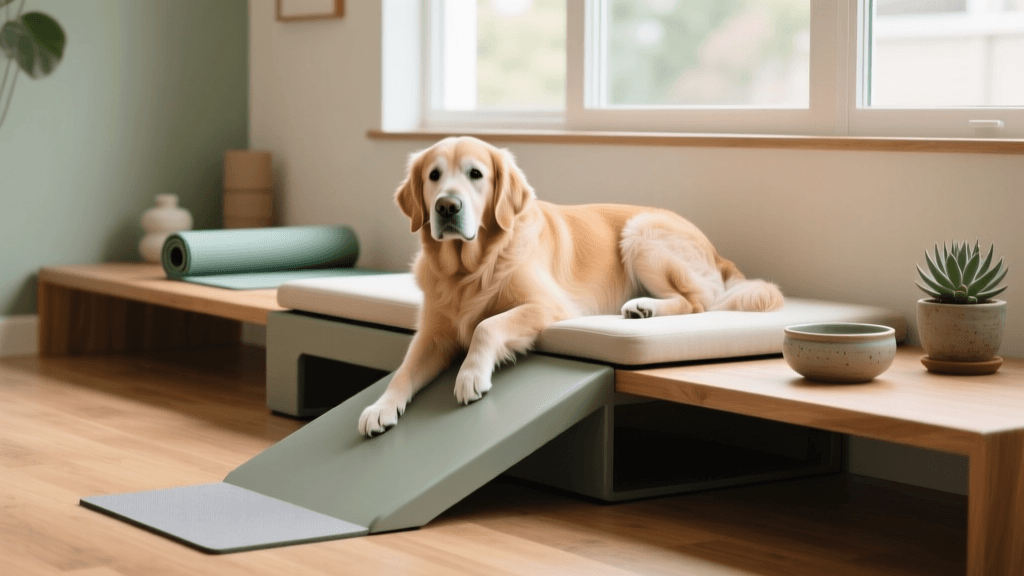
Eliminate the need for jumping entirely. Invest in high-traction, foldable ramps for vehicle entry and exit. For indoor use, such as accessing a favorite sofa or the owner's bed, utilize pet stairs with deep, wide treads and a gentle incline. Ensure any ramp or stair system has side rails to prevent lateral missteps.
Adjusting Your Daily Routine and Exercise
Exercise remains a vital component of OA management, but the type and duration of exercise must change. The goal in 2026 is to maintain muscle mass—which acts as a shock absorber for the joints—without causing post-exercise inflammation.
- The 'Sniffari' Approach: Replace long, brisk walks with shorter, slower 'sniffaris'. Allow your dog to dictate the pace and spend time sniffing. Mental stimulation through scent work is just as tiring as physical exercise but places zero impact on the joints.
- Micro-Walks: Instead of one 45-minute walk, break the exercise down into three 10-minute walks spread throughout the day. This prevents the 'weekend warrior' effect, where a dog overexerts themselves and suffers for the next three days.
- Low-Impact Activities: Swimming or using an underwater treadmill (available at specialized canine rehab centers) provides excellent cardiovascular and muscle-building benefits with zero concussive force on the joints.
- Enrichment Over Exertion: On days when your dog's pain levels are higher, pivot to indoor enrichment. Use snuffle mats, lick mats, and puzzle feeders to keep their mind engaged without requiring them to navigate the house.
Nutrition, Weight Management, and Supplements
Weight management is arguably the single most effective non-medical intervention for canine osteoarthritis. Every extra pound places exponential stress on compromised joints. Work with your veterinarian to determine your dog's ideal Body Condition Score (BCS). In most cases, keeping an arthritic dog on the leaner side of the optimal weight range significantly improves mobility and reduces pain.
Dietary supplements play a strong supportive role in 2026 joint care protocols:
- Omega-3 Fatty Acids (EPA and DHA): Sourced from wild-caught fish oil or algae, high doses of Omega-3s provide potent, natural anti-inflammatory effects. Ensure the product is specifically formulated for canine absorption and stored properly to prevent oxidation.
- Green-Lipped Mussel Extract: Rich in glycosaminoglycans (GAGs) and unique omega fatty acids, this supplement has shown excellent results in supporting joint fluid viscosity and reducing stiffness.
- Undenatured Type II Collagen (UC-II): This supplement works via oral tolerance, interacting with the immune system in the gut to prevent the body from attacking its own joint cartilage.
Comparison Chart: 2026 Osteoarthritis Management Options
| Intervention / Treatment | Estimated Monthly Cost | Primary Benefit | Best Suited For |
|---|---|---|---|
| Anti-NGF Monoclonal Antibodies | $90 - $180 | Targeted pain relief without organ toxicity | Senior dogs with kidney/liver issues |
| Targeted COX-2 NSAIDs | $40 - $120 | Rapid reduction of acute inflammation | Dogs needing immediate flare-up control |
| Orthopedic Memory Foam Bed | $150 - $300 (One-time) | Even weight distribution, pressure relief | All arthritic dogs, especially large breeds |
| High-EPA Fish Oil Supplement | $25 - $50 | Systemic, natural anti-inflammatory support | Long-term daily joint maintenance |
| Canine Hydrotherapy Sessions | $200 - $400 | Muscle building with zero joint impact | Post-surgery or severe muscle atrophy |
Monitoring Quality of Life: The HHHHHMM Scale
As you implement these 2026 treatments and home modifications, continuous monitoring is essential. Veterinarians frequently recommend the HHHHHMM Quality of Life Scale to help owners objectively assess their dog's well-being. This scale evaluates Hurt, Hunger, Hydration, Hygiene, Happiness, Mobility, and whether there are More good days than bad.
Keep a daily journal or use a dedicated pet health app to track your dog's mobility scores, noting any stiffness in the morning or reluctance to perform previously enjoyed activities. Share this data with your veterinarian during bi-annual wellness exams. By combining the latest medical breakthroughs with compassionate, proactive home care and routine adjustments, you can ensure that your dog's senior years remain comfortable, dignified, and filled with joy.
priya-sutaria
All our authors care for dogs every day — read more of their work on the authors page.